
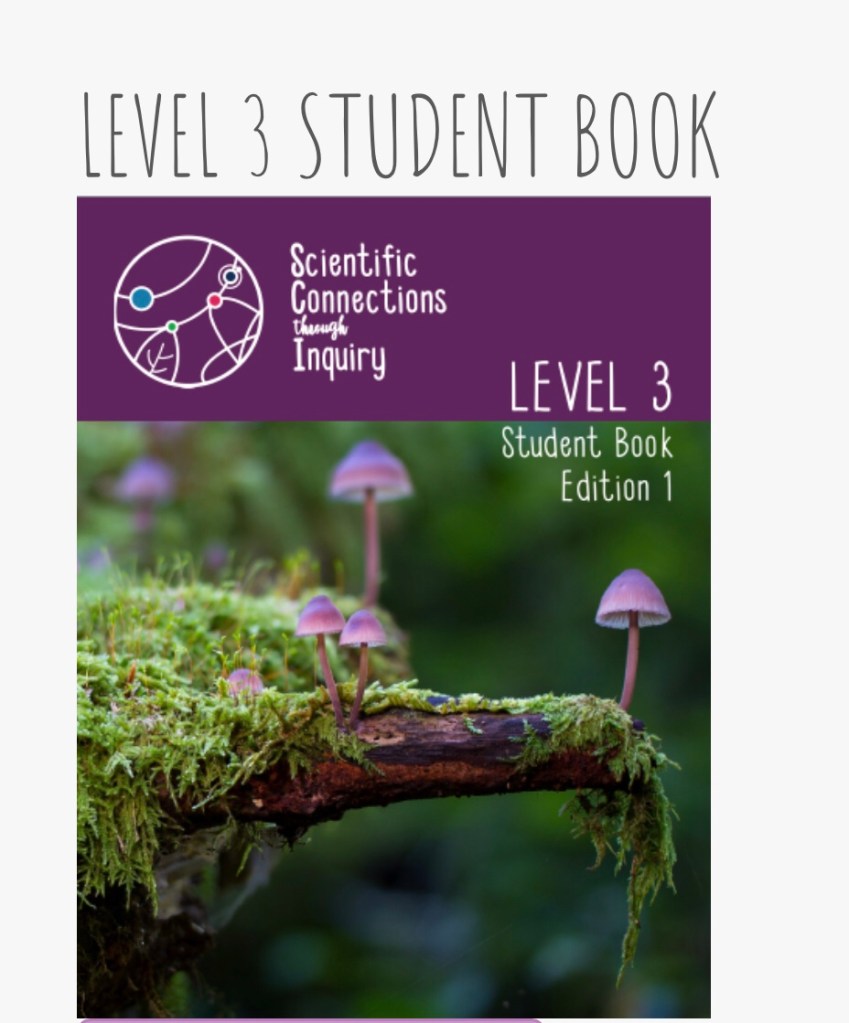
We received Real Science-4-Kids (RS4K) Book 3 for our honest review from Timberdoodle Co.
If you want a science curriculum that treats elementary-aged learners like real thinkers not just workbook checkboxes Real Science-4-Kids (RS4K) Book 3 is one of those rare finds. It hits a sweet spot between hands-on exploration and gentle academic rigor that makes it perfect for both budding scientists who can’t get enough and serious students who need a clear, organized path through foundational concepts.

Quick verdict
Practical, inquiry-friendly, and teacher-friendly. RS4K Book 3 builds scientific habits (observing, measuring, explaining) while covering a broad suite of topics at a depth that’s just right for grades 3–4. If you want kids doing real experiments, writing simple lab notes, and connecting concepts to everyday life this is a great pick.
Who this is best for
- Homeschool families who want a science-first approach with hands-on labs.
- Students in grades 3–4 who are ready for explanations (not just facts) and can follow short experiments with supervision.
- Parents/teachers who prefer teacher-led instruction with scripted explanations plus room to extend or simplify.
- Students who enjoy building models, measuring, and drawing conclusions — excellent for kids who might pursue more advanced science later.
It’s also friendly for mixed-age siblings: older kids can read the deeper notes, younger ones can do simpler observation tasks.
What’s inside (deep dive, without the fluff)
RS4K Book 3 is organized to introduce robust scientific ideas in small, manageable chunks. Typical elements you’ll find in each unit or lesson:
- Clear learning objectives — what the student should know/do by the end.
- Short reading passages explaining a concept in kid-friendly language.
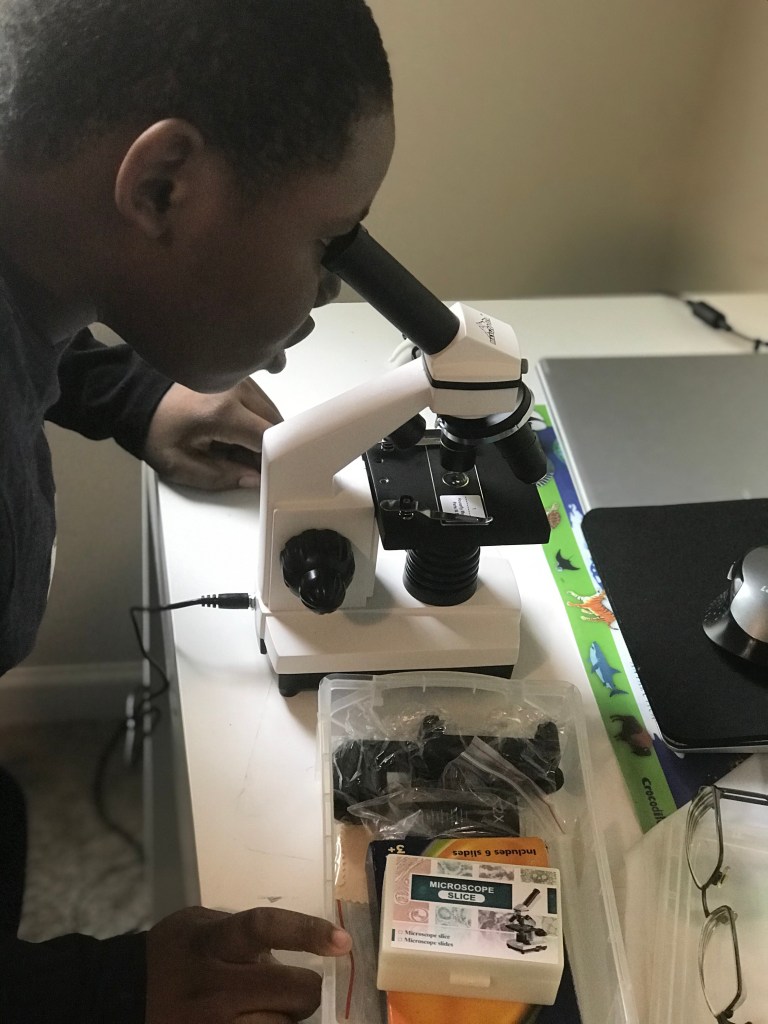
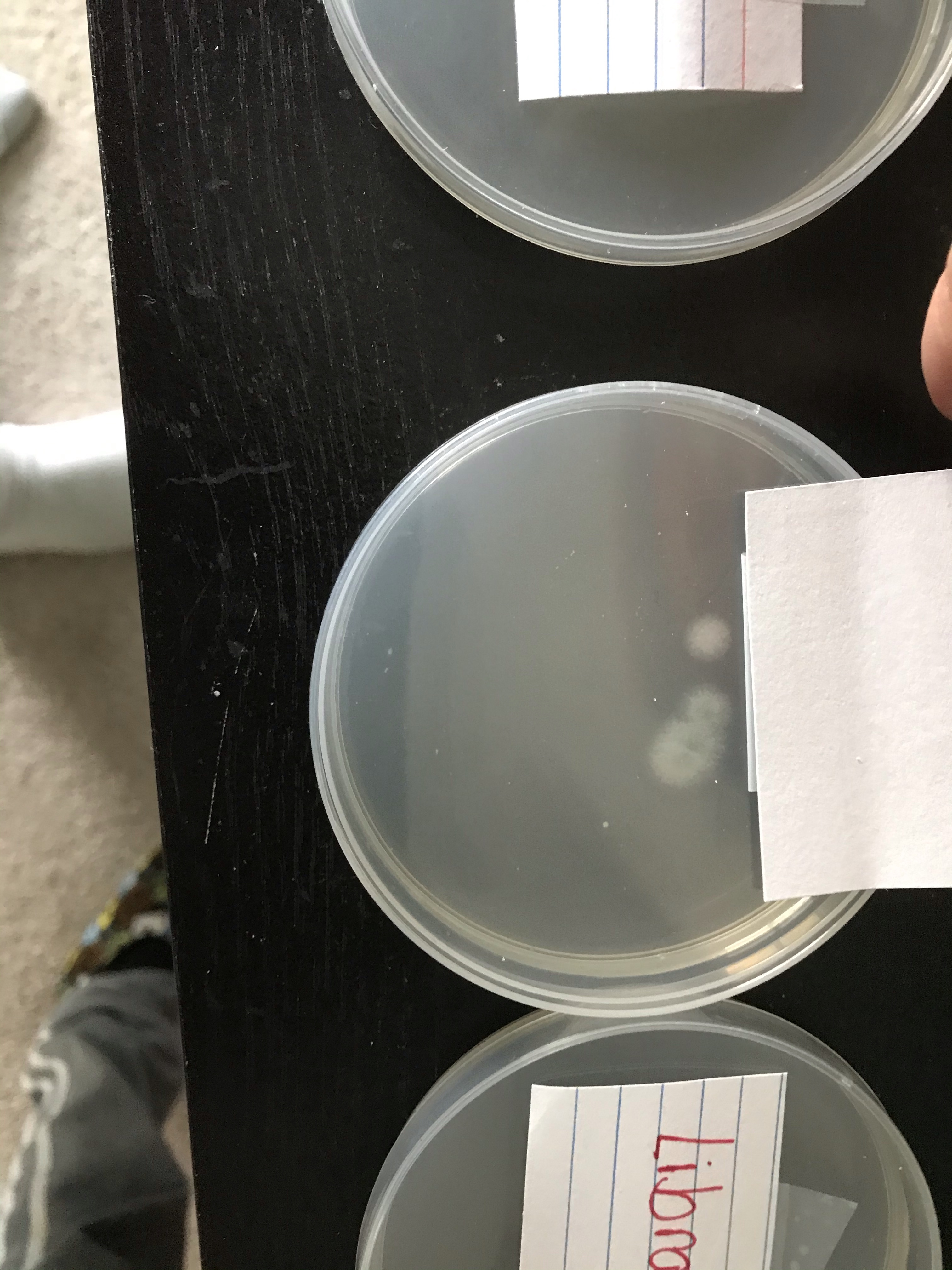
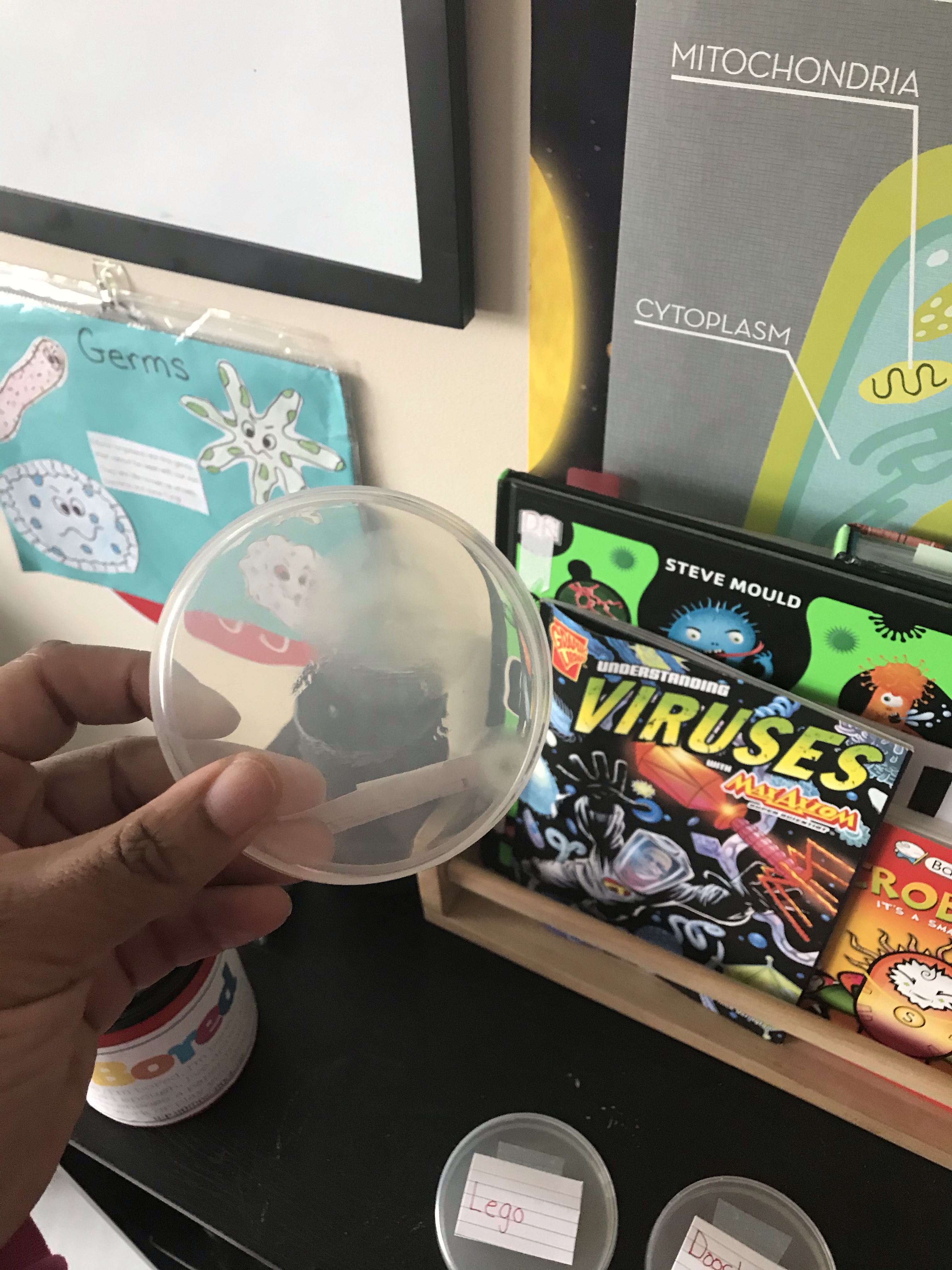
- Step-by-step experiments using inexpensive, household supplies. Many activities encourage measurement, comparison, and recording results.
- Discussion questions to build reasoning and vocabulary.
- Teacher notes — background info, common student misconceptions, and safety tips.
- Simple assessment ideas — short quizzes, oral review prompts, or notebook
- checks.

Typical topics covered
While the exact table of contents varies by edition, Book 3 generally covers core elementary science areas such as:
- Scientific method & experimental design — forming hypotheses, variables, recording data.
- Matter & properties — solids, liquids, gases, density, mixtures.
- Energy basics — heat, light, sound, simple electrical concepts.
- Forces & motion — pushes, pulls, friction, simple machines.
- Earth & space foundations — rocks/minerals, weather basics, moon phases, sunlight/season concepts.
- Introduction to life science — plant/animal basics and ecosystems at an introductory level.
Why it’s a game changer
Hands-on learning is central — experiments aren’t an add-on; they’re built into every lesson. Kids learn by doing, which builds understanding and retention.
Scientist mindset — it doesn’t just dump facts; it teaches how to ask questions, design simple tests, record observations, and draw conclusions. That’s skills training, not memorization.
Straightforward teacher support — if you aren’t a science expert, the teacher notes and scripted explanations make lessons easy to teach while still sounding authentic.
Flexible pacing — one lesson can be a 30–45 minute block or stretched across multiple days for deeper exploration or notebook work. Great for mixed schedules.
Builds confidence for advanced science — students practicing measurement, controlled testing, and lab notes in 3rd/4th grade transition more smoothly into middle school science.
Who it might not be best for
Families who want only textbook-style worksheets and zero hands-on work. RS4K expects experiment time.
Parents looking for unit studies tied heavily to literature, art, or history RS4K is science-first and focused on scientific skills and concepts.
Very independent early readers who want to self-teach without any parental/teacher guidance Book 3 still benefits from a teacher to scaffold experiments and questions.
Practical classroom/homeschool tips
Buy the kit or gather supplies ahead — most experiments use cheap household items, but having a supply box (magnifying glass, thermometer, simple multimeter if you want electrical experiments, ruler, balances) saves time.
Science notebook — require students to write a hypothesis, record procedure, draw/data, and write a conclusion. This trains scientific writing early.
Adapt for mixed ages — give older kids the explanation and data analysis; younger ones can do the observations/drawings.
Extend curious students — add a research mini-project or extra experiments (e.g., more trials, different variables) for kids who want depth.
Safety first — teacher notes usually flag hazards; supervise heat, chemicals, and tools.
Final pros & cons (fast list)
Pros:
- Strong emphasis on experiments and scientific thinking.
- Clear teacher supports and explanations.
- Flexible and engaging — great for curious kids.
- Prepares students for middle school science habits.
Cons:
- Requires parental/teacher involvement for labs.
- Not a literature-integrated unit study (it’s focused science).
- Some families prefer more colorful, activity-packed books — RS4K is practical and content-dense rather than flashy.
Closing recommendation
If you’re a homeschool mom who wants your 3rd–4th grader to think like a scientist to make observations, test ideas, and write about findings Real Science-4-Kids Book 3 will pay dividends. It’s the curriculum that gently raises expectations: students get real experiments, useful vocabulary, and the confidence to ask better questions. For serious and budding science students, it’s not just another workbook it’s the beginning of a scientific habit of mind. Real Science-4-Kids Book 3 is a part of the 3rd Grade Timberdoodle Co Curriculum Kit.
























 Little Learner and Mom