High School, High School Credit, High School Humanities, History, Homeschool, Homeschool High School, Homeschool Honors, Intergrated Homeschool Curriculum, Literary Analysis

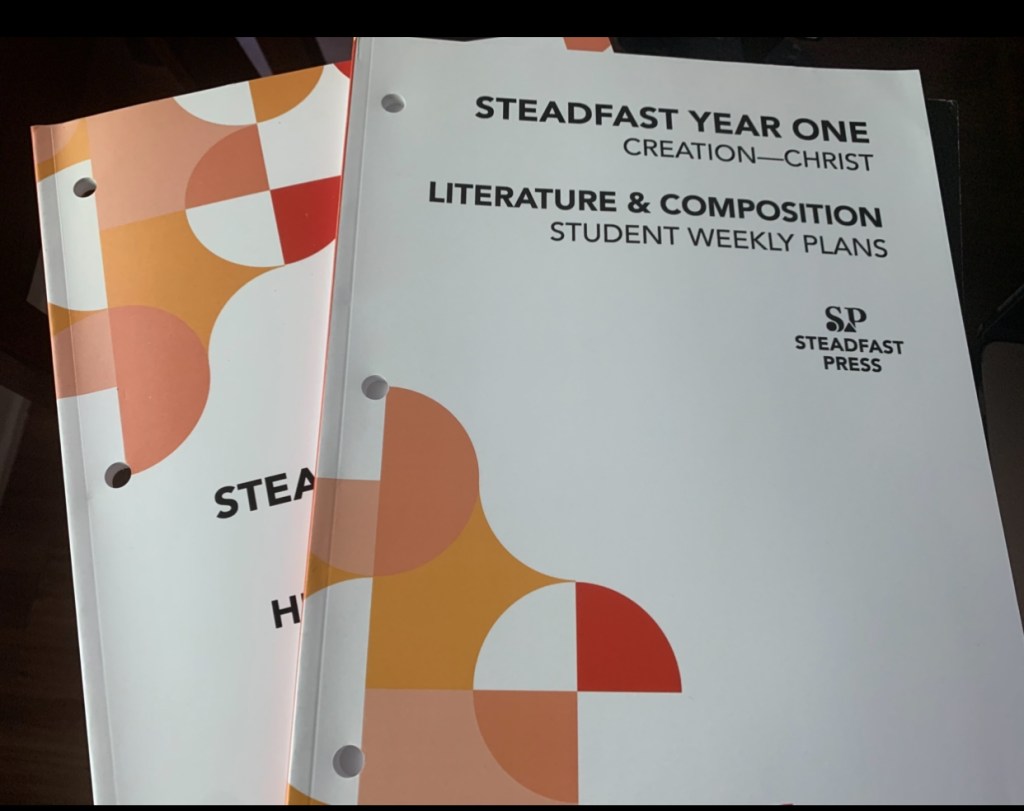
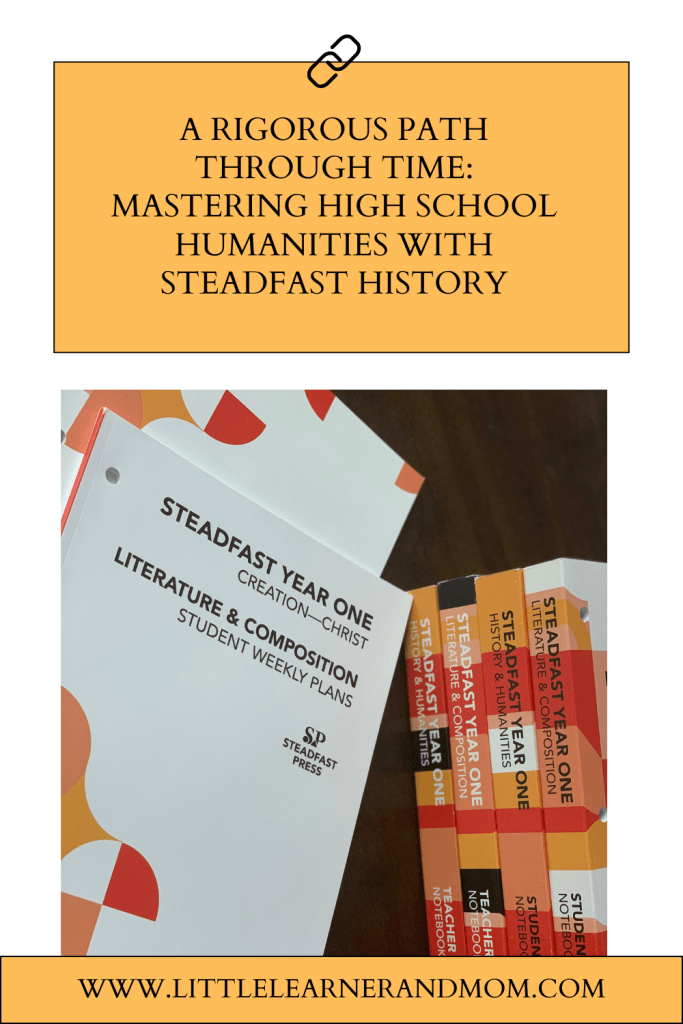
A Rigorous Path Through Time: Mastering High School Humanities with Steadfast History

We recieved Steadfast Humanities & History for our honest review!

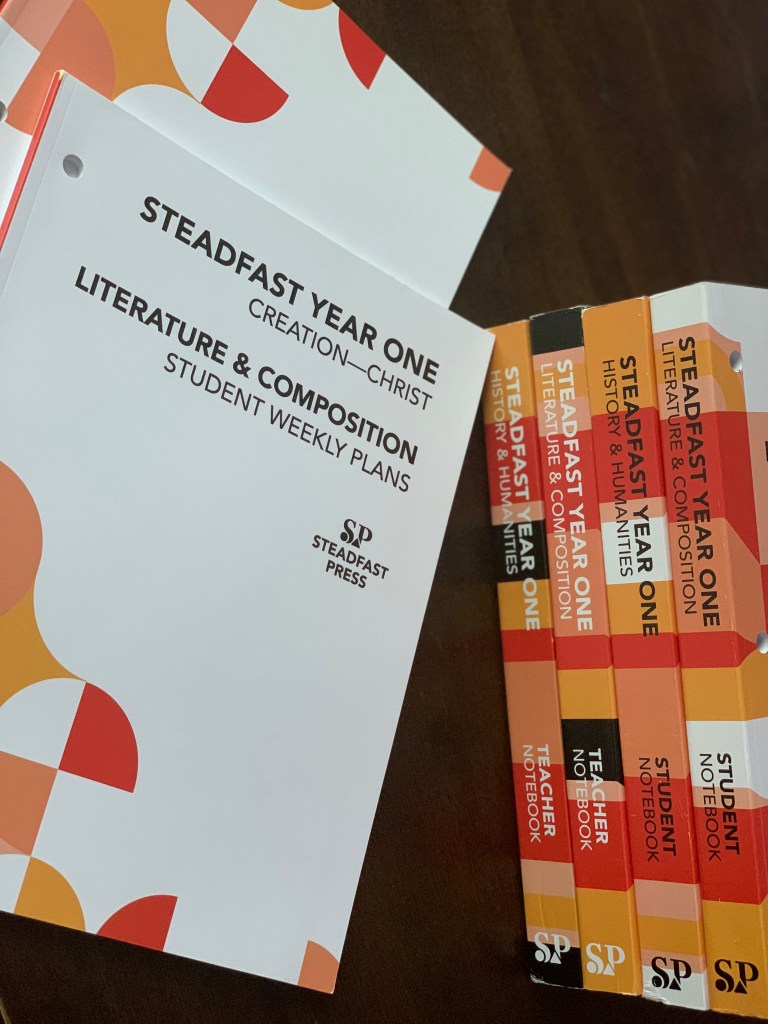
For homeschool families searching for a rigorous, faith-centered humanities and history curriculum that doesn’t water down academics, Steadfast Humanities & History stands out as a thoughtful and deeply intentional option. This is not a “light and easy” program it’s one that invites high school students to think critically, engage deeply, and connect history, literature, and worldview through a biblical lens.

A Curriculum That Weaves Faith and Academics Together

At its core, Steadfast Humanities & History is designed to integrate history, literature, philosophy, and writing into one cohesive experience. Rather than treating subjects as isolated silos, this curriculum allows students to explore the human story culture, government, belief systems, and intellectual movements through a faith-based perspective.

What makes this approach powerful is that it doesn’t shy away from complexity. Students are encouraged to ask questions like:

  • What does this historical moment reveal about human nature?
  • How do belief systems shape civilizations?
  • How does a biblical worldview influence our interpretation of events?

This creates a learning environment that is both academically challenging and spiritually grounding.

The 4-Year Journey: A Thoughtful High School Progression

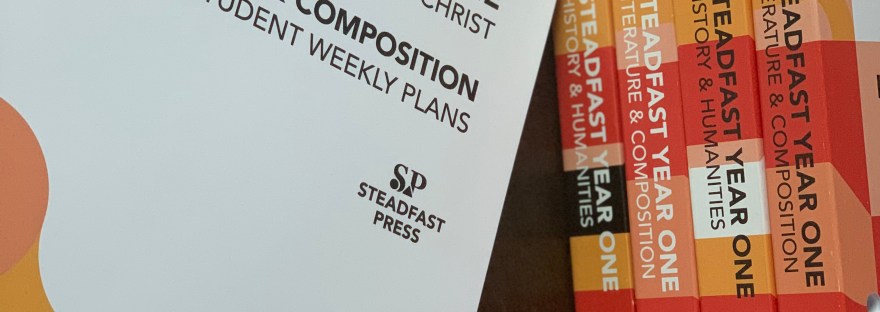
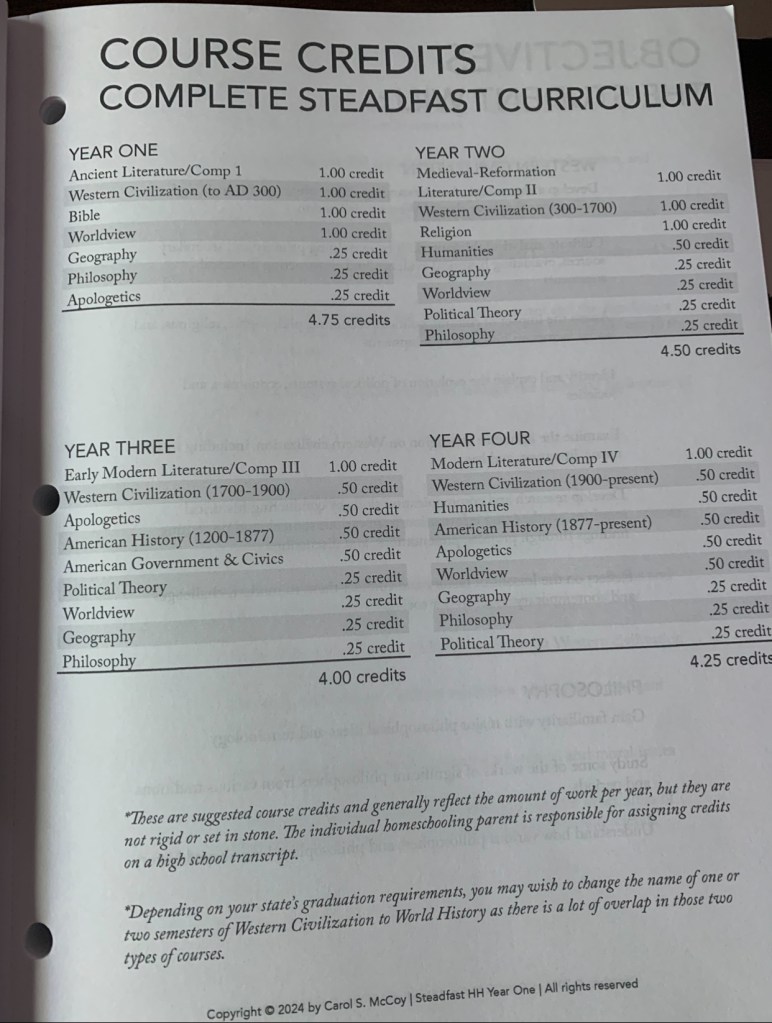
This is a full four-year high school humanities program, making it a strong spine for families who want continuity and depth throughout grades 9–12. Each year builds on the last, developing stronger analytical, writing, and discussion skills. Students can earn 17.5 credits just by using this curriculum and parents will only need to add math, science and foreign language.

Year One: Foundations in Ancient History

The first year focuses on Ancient History, laying the groundwork for everything that follows. Students explore early civilizations, ancient cultures, and foundational worldviews that shaped humanity.

What stands out in Year One is the intentional balance of:

  • Historical study (civilizations, geography, cultural development)
  • Literature connections
  • Writing and reflection
  • Faith integration

Students don’t just memorize timelines they begin to interpret history through cause, effect, and worldview. This is especially valuable for ninth graders transitioning into high school-level thinking.

Academic Rigor That Prepares Students for What’s Next

If you’re looking for something academically light, this isn’t it and that’s a good thing. Steadfast Humanities & History is academically rigorous, requiring students to:

  • Read thoughtfully and often
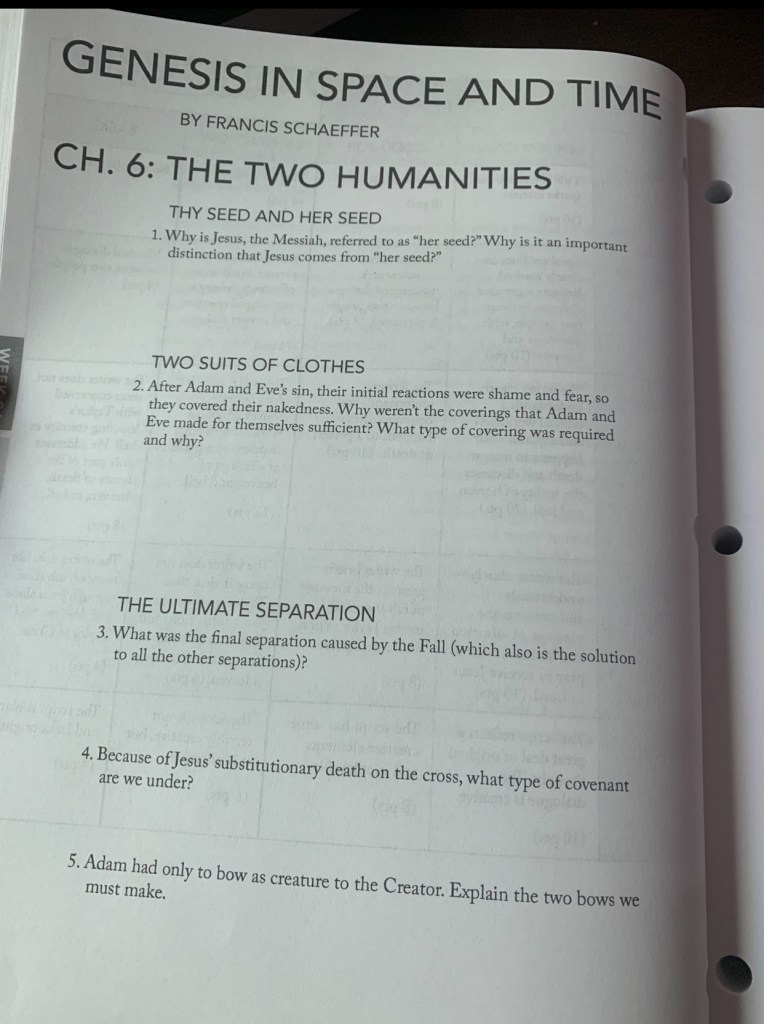
  • Engage in written responses and analysis
  • Participate in discussion or reflection
  • Make connections across disciplines

This level of rigor makes it an excellent fit for:

  • College-bound students
  • Honors-level homeschoolers
  • Students who enjoy discussion, writing, and big-picture thinking

It’s especially strong for families who want their students to develop a mature voice in writing and reasoning, not just complete worksheets.

Tools That Bring History to Life

One of the standout features is the “History at a Glance” blank timeline. This simple but powerful tool helps students visually map out historical events, reinforcing chronological understanding in a way that sticks. Over time, students build their own timeline, creating a personalized visual record of history that deepens retention and comprehension.

Another engaging resource is the free Ancient History Jeopardy game, which adds a layer of fun and review without sacrificing educational value. It’s a great way to:

  • Reinforce key concepts
  • Review for assessments
  • Break up heavier academic days with interactive learning

These kinds of resources show that while the curriculum is rigorous, it still values engagement and variety.

Who This Curriculum Is Best For

This program shines brightest for families who want more than surface-level learning. It’s a strong fit for:

  • Homeschoolers seeking a faith-based, academically rich humanities program
  • Students who enjoy reading, writing, and discussion
  • Families building a high school transcript with depth and intention
  • Parents who want a curriculum that guides worldview conversations

It may feel challenging for students who struggle with independent reading or writing, but with support, it can still be a growth opportunity.

Final Thoughts: A Curriculum That Builds Thinkers

Steadfast Humanities & History is more than a curriculum it’s a framework for shaping thoughtful, informed, and grounded young adults. By combining rigorous academics with a faith-based perspective, it equips students not just to learn history, but to understand it, question it, and apply it. If your goal is to raise a student who can think deeply, write clearly, and engage the world with both knowledge and conviction, this curriculum is well worth considering.


8th Grade, Berean Builders, Friendly Biology, High School, Homeschool Biology, Homeschool High School, Homeschool Honors, Homeschool Honors Science, Oak Meadow, Reviews, Science

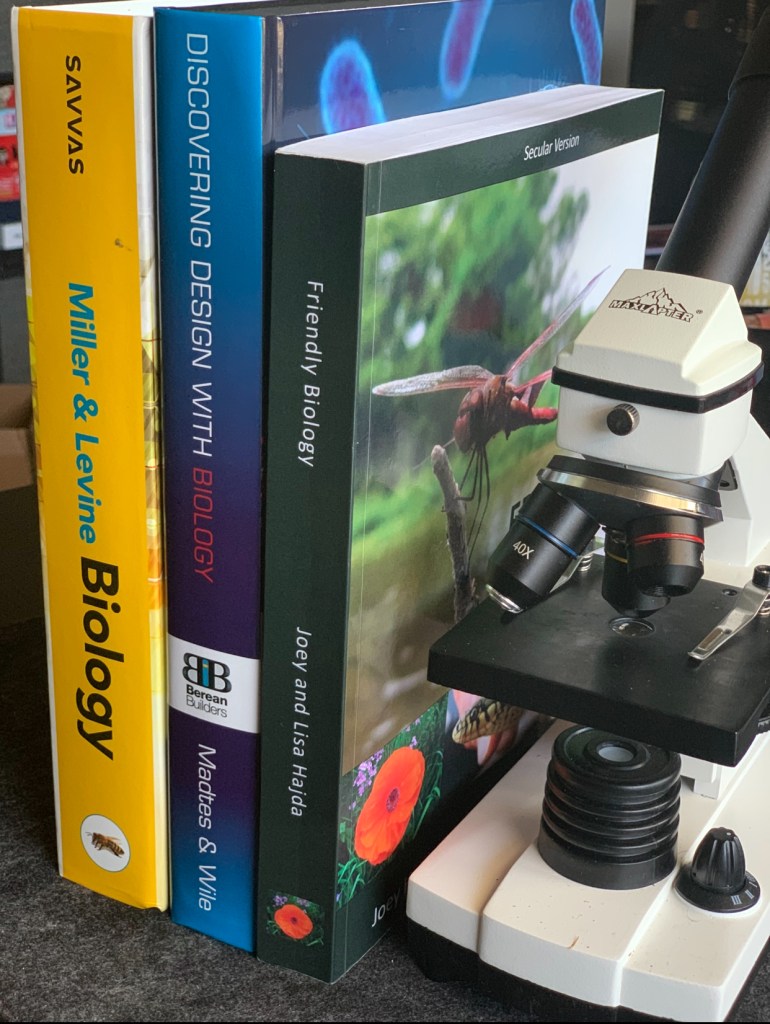
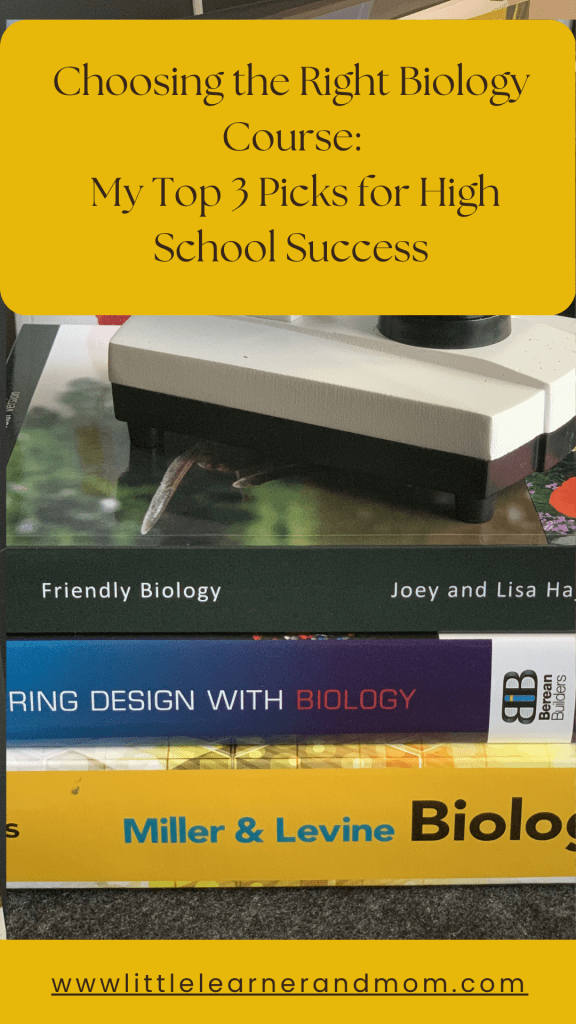
Choosing the Right Biology Course: My Top 3 Picks for High School Success

Finding the right high school biology program can be tricky especially when you want something that’s both rigorous and engaging. Whether you’re homeschooling, supplementing a traditional education, or simply seeking the perfect fit for your learner’s style, these three standout programs each bring something unique to the table.

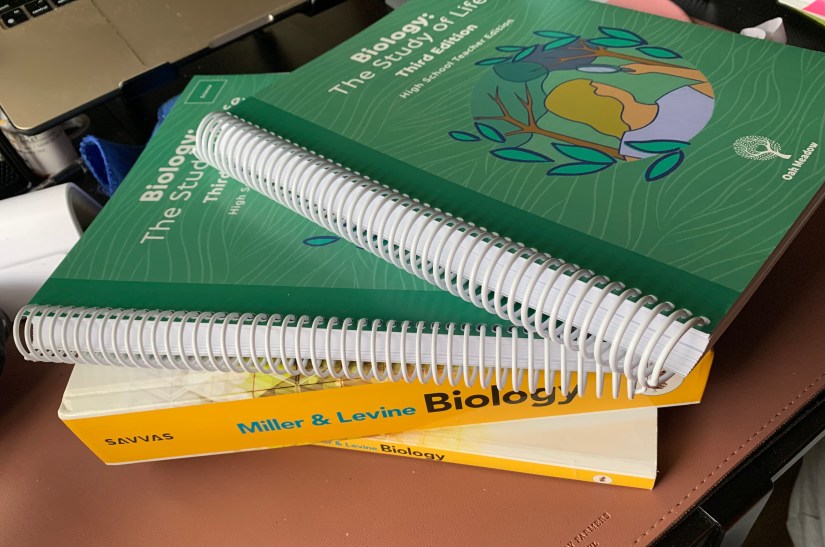
1. Oak Meadow Biology — A Literature-Rich, Honors-Level Course

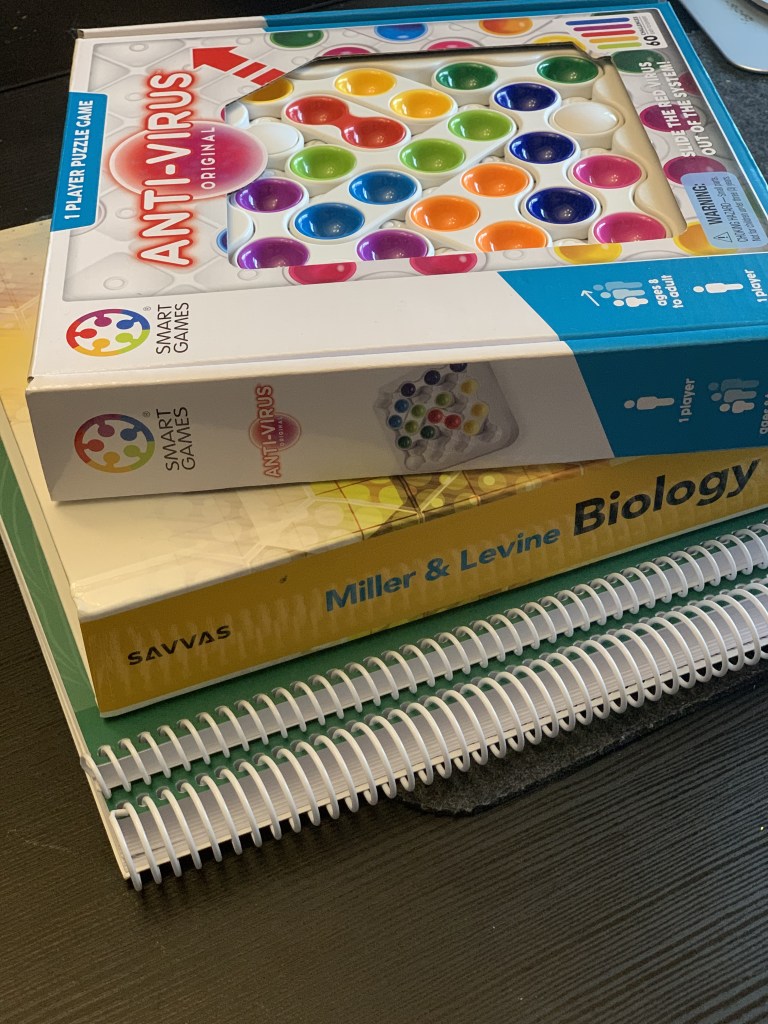
Oak Meadow Biology shines as a flexible and well-rounded curriculum that blends classic science learning with engaging reading and hands-on experiments. This course uses Savvas and the newest Miller and Levine Biology textbook, which are both trusted names in science education. What sets this one apart is its inclusion of literature components, encouraging students to explore biological concepts through stories and critical reading.

  • Best for: Students who enjoy a well-rounded, writing-rich approach to science.
  • Highlights: Includes meaningful lab work, structured yet creative assignments, and the option to customize it into an Honors Biology course for deeper exploration.
  • Why it works: It bridges the gap between textbook science and real-world understanding, making complex topics feel both academic and approachable.

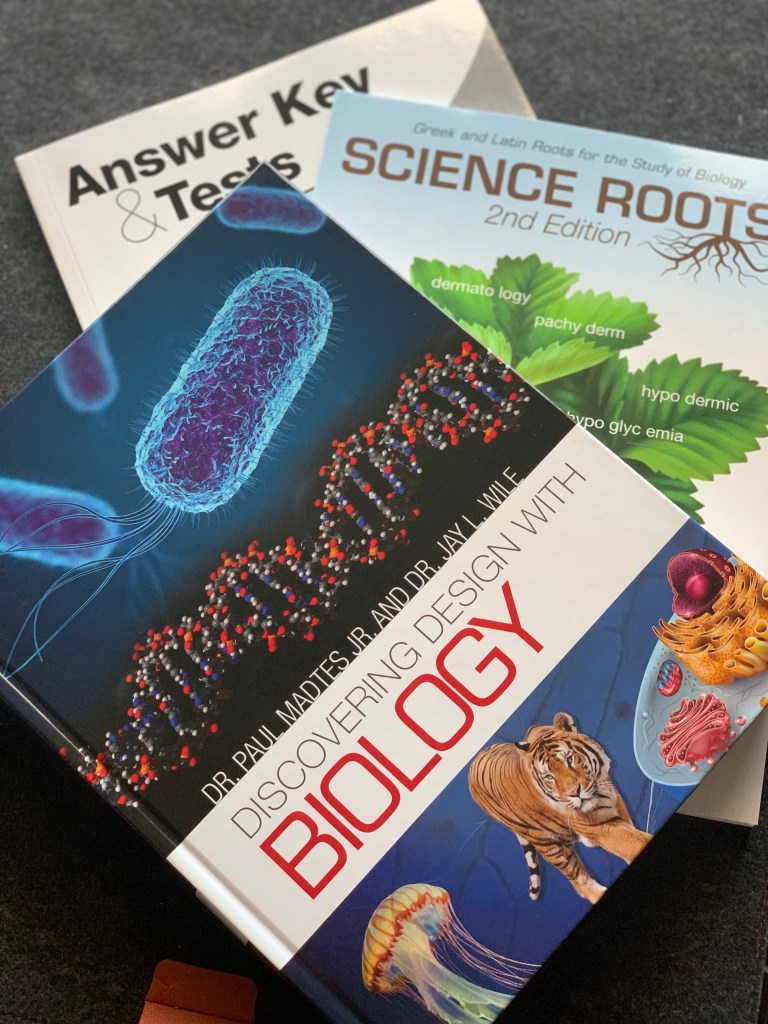
2. Berean Builders Discovering Design with Biology — Tradition Meets Modern Science

Developed by respected scientists with a sound understanding of classical learning, Berean Builders Discovering Design with Biology offers a comprehensive exploration of biology through both a traditional and biotechnology lens. The program emphasizes careful observation, lab investigations, and a genuine understanding of life sciences while weaving in Christian perspectives on creation and the nature of life. The interwoven of the Christian faith is not overwhelming and welcoming to all faiths.

  • Best for: Students from faith-based families who want a strong science foundation that harmonizes with Christian worldview studies.
  • Highlights: True-to-textbook depth, detailed scientific exploration, and optional online classes to expand into Honors-level coursework.
  • Why it works: It connects traditional biology principles with modern biotech insights, helping students appreciate where science and faith can align.

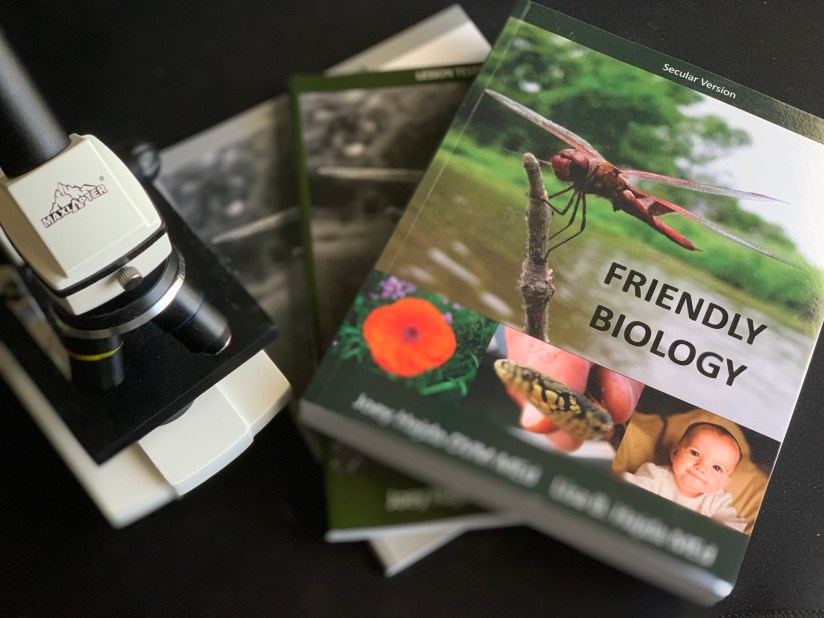
3. Friendly Biology — Self-Paced and Accessible for All Learners

If your student thrives on visual learning and prefers a gentler, more personal pace, Friendly Biology could be the perfect fit. This program is known for its engaging video lessons and clear, simple explanations while maintaining high academic quality. Families can choose between faith-based or secular versions, offering flexibility based on individual beliefs or school requirements.

  • Best for: Students who may feel intimidated by heavy science texts or need a more relaxed, video-supported learning experience.
  • Highlights: Self-paced, video-based learning; adaptable for individual or group study; approachable without sacrificing solid science fundamentals.
  • Why it works: It helps learners build confidence in biology by presenting complex topics through friendly narration and visual reinforcement.

Final Thoughts: Which One Should You Choose?

Each of these Biology programs brings something unique to the table:

At the high school level, Biology is more than just a required science credit it’s an opportunity to shape how your student sees the world, asks questions, and thinks critically about life itself. Whether you choose a literature-rich path like Oak Meadow paired with Miller & Levine, a structured and traditional approach like Berean Builders Discovering Design with Biology, or a flexible, student-led experience like Friendly Biology, the goal is the same: to ignite curiosity, build confidence, and prepare your child for what comes next. The right curriculum doesn’t just teach Biology it empowers your student to engage with science in a meaningful, lasting way.

Computer Technology, Curriculum Resource, Education, High School, High School Credit, Homeschool, Homeschool High School

From Gamer to Creator: How Unity Game Programming Turned My Son’s Passion into Real Skills

We received CompuScholar Unity Game Programming for our honest review!

I’m always looking for ways to turn my son’s natural interests into meaningful learning opportunities. One thing about him—he loves video games. But beyond just playing, he started asking deeper questions about how they’re made and what goes on behind the scenes. That curiosity led us to CompuScholar’s Unity Game Programming course, and it has been such a rewarding way to take something he enjoys and transform it into real, skill-based learning. Once he finishes the program I can award him 1 high school credit for his computer science requirement.

About CompuScholar

CompuScholar offers a variety of online computer science and digital literacy courses designed specifically for middle and high school students, including subjects like Python, Java, web design, and game programming. These courses are self-paced, homeschool-friendly, and built to help students develop real-world tech skills while earning credit for their transcripts. What I love most is that their courses are structured like true high school electives but still flexible enough for homeschool families.

Screenshot

Unity Game Programming: A Deep Dive Into Game Design

Unity Game Programming is where things really get exciting especially for students who love gaming.This course uses the Unity game engine to teach students how to design and build their own games while learning C# programming from the ground up. And let me just say this is not a surface-level class. This is a true, in-depth look at game development.

What Students Learn

Students don’t just “play around” with coding they learn:

  • Game engines and how they work
  • C# scripting and coding fundamentals
  • 2D game physics and mechanics
  • Animation, sound effects, and game art
  • Object-oriented programming
  • Debugging and problem-solving
  • Artificial intelligence in games
  • Full game design strategy and development

By the end of the course, students are actually creating their own games walking through the entire development process from idea to final product.

How the Program Works

One of the things I appreciate most as a homeschool parent is how well-structured this program is.

  • Lesson Text + Instructional Videos – Students learn concepts step-by-step
  • Quizzes & Chapter Tests – Automatically graded (huge win!)
  • Hands-On Projects – Every chapter includes coding labs
  • Parent-Friendly Rubrics – Easy grading for project work

The course is designed as a full-year (2 semester) program, typically taking about 3–5 hours per week. It’s self-paced, which makes it perfect for homeschool schedules.

Screenshot

What Makes This Program Stand Out

What really stood out to us is how this course teaches students to think like developers not just follow directions. Students learn how to:

  • Plan a game
  • Build it step-by-step
  • Test and debug it
  • Improve and refine their work

It’s not just coding it’s critical thinking, logic, and creativity all in one.

Perfect for Homeschool Electives

One of my favorite things about this program is that it works beautifully as a:

  • High school computer science credit
  • STEM elective
  • Career exploration course

It’s rigorous enough to count on a transcript while still being engaging and fun. Even better this course is included in the Timberdoodle Co. 12th Grade Curriculum Kit, which makes it an easy addition for families already using Timberdoodle.

Screenshot

Why It Works So Well for Homeschoolers

From a homeschool perspective, this program checks all the boxes:

  • Flexible, self-paced structure
  • Minimal parent prep required
  • Auto-grading for quizzes/tests
  • Clear lesson progression
  • Real-world, applicable skills

It allows students to work independently while still producing meaningful, measurable results which is something we all want as homeschool parents. If you have a student who loves gaming and is constantly asking “how does this work?”, Unity Game Programming is such a powerful way to turn that curiosity into a real skill. For us, it took something my son already loved and transformed it into purposeful learning, creativity, and future career exploration. And honestly that’s what homeschool is all about.

High School, Interest Led, Keeping it real, Middle School, Mom Life, Oak Meadow, Planning

“We Tried Other Options… But Oak Meadow Brought Our Homeschool Back Home.”

Homeschooling high school can feel like stepping into unfamiliar territory for many families. The stakes feel higher, the planning becomes more intentional, and the pressure to “get it right” can be overwhelming. This year in our homeschool was certainly eventful, filled with experimentation, reflection, and ultimately a powerful reminder of what works best for our family. From the beginning of our homeschool journey since 5th grade, Oak Meadow has been a steady and comforting presence in our home. Its thoughtful structure, rich literature, and academically rigorous approach have always aligned with how we want learning to feel deep, meaningful, and student-centered.

A Unique Transition Into High School

Like many homeschool families, we don’t follow a perfectly traditional grade structure. We often run a mixed-grade homeschool, allowing learning to progress naturally rather than strictly by grade level. This year, we wrapped up much of our Oak Meadow 8th-grade coursework in early fall, which allowed us to transition into 9th-grade material later in the fall semester. That flexibility is one of the things I value most about Oak Meadow it supports real learning rather than rigid timelines.

Lessons Learned Along the Way

One of the biggest lessons I learned this year came from a mistake. At one point, I thought my homeschooler needed an online biology class to round out his high school experience. Very quickly, it became clear that it wasn’t the right fit for him or for our homeschool rhythm. I corrected that decision and ordered Oak Meadow Biology, and the difference was immediate. He was elated to be back in a learning environment that felt familiar, engaging, and supportive of how he learns best. And honestly, I was too.

The Courses That Shaped Our Year

This year we explored several Oak Meadow high school courses, each bringing something special to our homeschool. Hero’s Journey has been one of our favorites. We paired the course with our own literature selections, including The Hobbit and Children of Blood and Bone. One of the beautiful things about Oak Meadow is how easily the curriculum can be personalized. You are given a strong academic foundation, but there is always room to expand and follow your student’s interests. We loved this course so much that we plan to continue Hero’s Journey through the rest of this school year and finish it in Fall 2026. World Geography also took us on an incredible learning adventure. The course covers both physical and human geography, helping students refine their geographic skills while also understanding how culture, environment, and society interact across the globe. Coincidentally, we began the South America unit right around Super Bowl season, which added an extra layer of excitement to our discussions about the region.

Our Personal Finance course has also been incredibly practical. We started Unit 1 in December, which focuses on consumer skills and banking. One of the things I love most about this book is that it’s divided into five independent units, allowing us to stretch the remaining four units across the next four years of high school. This allows the material to stay relevant as my son grows older and encounters real-world financial decisions. Now we didn’t use the Oak Meadow Algebra 1 course as our spine we did use it as supplemental. The algebra curriculum is wonderful and still gives you the same rigor that you would have expect from Oak Meadow.

Why Oak Meadow Works So Well for Us

As I began officially planning our 9th-grade year, I sat my son down and asked him an important question:

What do you want your high school homeschool to look like?

His answer was immediate and clear. He told me he wanted to stay with Oak Meadow for high school. He even asked that we avoid adding outside curriculum, with the exception of two programs he genuinely enjoys. That moment confirmed something for me: when a curriculum resonates with your child, learning becomes smoother, deeper, and more joyful. For our family, that means we will likely remain an Oak Meadow family until the very end of our homeschool journey.

A Rigorous Curriculum That Can Grow With Your Student

Oak Meadow offers an in-depth, rigorous academic program that is fully capable of supporting college-bound students. What makes it even more powerful is its flexibility. Courses can easily be adapted to meet Honors or AP-level expectations, allowing families to increase academic rigor while still maintaining the curriculum’s holistic approach to learning.

The Biology course, in particular, is a standout. Oak Meadow includes the latest Miller & Levine Biology textbook, paired with access to Savvas learning resources, which adds an excellent digital component. I was also incredibly impressed that the course includes literature connected to the science topics, helping students explore scientific ideas through both analytical and narrative lenses.

Preparing for College — Without Losing Childhood

My son is college bound, and I take that responsibility seriously. I have spoken with multiple college counselors to ensure we are on the right track with course selection, rigor, and transcript planning.

Across the board, I heard the same thing:  Oak Meadow’s high school curriculum is considered top tier.

This year we also introduced SAT test preparation, and next year we plan to integrate it more consistently into our weekly routine. But along the way, I had to learn an important lesson as a homeschool parent.

  1. I had to quiet the outside noise.
  2. I had to stop second-guessing myself.

And I had to stop trying to race to the finish line.

My child is barely thirteen years old. High school should not mean the end of curiosity, creativity, or joy. We still want time for hands-on projects, interest-led learning, volunteering, clubs, and simply being a kid. He has a lifetime to be an adult.

Building a Meaningful High School Experience

While academics matter, our homeschool high school plan includes more than just coursework. We are intentionally building a transcript that reflects:

  • Strong academics
  • Extracurricular activities
  • Passion projects
  • Community service
  • Exploration of his future career interests

Oak Meadow has made this process easier because the curriculum already provides a solid academic backbone. Instead of scrambling to piece together courses, I can focus on helping my son grow into the person he is becoming. For the past two years, I’ve also attended the Oak Meadow College Planning Seminars, taking detailed notes and learning directly from the curriculum team about preparing homeschool students for college admissions. Oak Meadow also provides samples of the curriculum on their website. Oak Meadow website also has helpful planning pages and transcript template. Those seminars alone have given me tremendous confidence in the path we are on.

A Final Word to Fellow Homeschool Moms

If you are approaching the high school years and feeling overwhelmed, unsure, or pressured to piece together a dozen different programs just to “do it right,” I want to encourage you to pause and take a look at Oak Meadow High School. Oak Meadow offers something that is surprisingly rare in high school education today: rigor without burnout, structure without rigidity, and academic depth without sacrificing creativity.

It allows families to build a serious college-preparatory education while still protecting the heart of homeschooling freedom, curiosity, and connection. For our family, Oak Meadow has removed the hardest part of homeschooling high school: the constant worry about whether we are choosing the right path. Instead, it has given us the confidence to move forward, enjoy the journey, and trust that our child is growing  academically without losing the joy of learning along the way. And that, to me, is the greatest success a homeschool curriculum can offer.

Digital Learning Platform, Education, Grammar, High School, Homeschool, homeschool curriculum, Middle School, Novel Studies, Online Learning, Unit Study

Beyond the Flame: How Literary Adventures for Kids Helped My Teen Go Deeper Into Fahrenheit 451

When your teen falls in love with dystopian literature, you follow the trail with them. My son recently dove into The Hunger Games, then The Giver, and most recently Fahrenheit 451. But after finishing Bradbury’s classic, he came to me with big, layered questions about censorship, symbolism, society, and why Bradbury wrote the book the way he did. He wanted to dig deeper, not just gloss over the content. I searched for a novel study that could match his curiosity, but everything I found felt rigid, overly academic, or full of busywork. Then I remembered we still had our Literary Adventures for Kids account. To my relief, they offered a Fahrenheit 451 study, and once I opened it, I knew immediately that it was exactly what we needed.

Literary Adventures for Kids (LAK) is an online, self-paced literature platform designed to bring stories alive through exploration, multimedia learning, and intentional Socratic-style questioning. Instead of draining the joy out of reading with endless worksheets, it enhances the experience. The digital layout is clean and easy to navigate, and lessons are structured in a way that encourages deep thinking without overwhelming the student.

What Makes Literary Adventures for Kids Stand Out

LAK avoids the “read-and-regurgitate” approach that turns teens off from literature. Instead, it blends academic depth with interactive, curiosity-driven learning. Students are guided to think critically, question themes, and draw connections between the story and real-world issues.

Some standout features include:

  • Rabbit Trails of Wonder — These guided explorations help students dive deeper into topics related to the novel, such as censorship, propaganda, technology, or Bradbury’s historical context.
  • Socratic-Style Discussion Prompts — Instead of factual recall, LAK offers open-ended questions that push students to analyze, interpret, and evaluate the author’s message.
  • Creative and Multi-Sensory Activities — Journaling, copywork, theme mapping, mini-projects, and multimedia clips enrich the learning experience.
  • Rigor Without Burnout — Lessons feel meaningful and meaty, but never overwhelming or monotonous.
  • A Diverse Catalogue of Books — The platform offers a wide assortment of titles, from classics to contemporary YA, diverse authors, and culturally rich stories.

Inside the Fahrenheit 451 Study

The Fahrenheit 451 study was the perfect blend of analytical, creative, and reflective learning. Each module invited my son to slow down and consider the symbolism that runs throughout the book. The platform included context about book banning, historical events that shaped Bradbury’s writing, and discussions that helped my son articulate his thoughts clearly and confidently.

He especially loved:

  • exploring rabbit trails about censorship and media control
  • watching short, curated videos that expanded his understanding
  • answering Socratic-style prompts that made him think deeply
  • journaling about the ethical dilemmas in the story
  • comparing Bradbury’s warnings to today’s society

This study didn’t talk at him it invited him into a conversation with the text.

A Strong, Diverse Book Catalog

One of my favorite aspects of Literary Adventures for Kids is the variety of books available. Their catalogue includes:

  • classic literature
  • modern young adult novels
  • diverse and multicultural stories
  • high-interest titles teens actually want to read
  • newer releases and timeless favorites

It gives homeschool families the freedom to choose books that align with interests, learning goals, and cultural representation all while maintaining academic richness.

Final Thoughts

Literary Adventures for Kids brought our Fahrenheit 451 experience to life in a way traditional novel studies simply couldn’t. My son thrives on interactive, thoughtful, and well-designed lessons, and LAK delivered all of that with ease. It made him excited to revisit the novel and unpack everything he was curious about. Instead of draining his enthusiasm, LAK amplified it.

If you have a teen who prefers Socratic dialogue, multimedia learning, and meaningful exploration over worksheets, this platform is a gem. It respects how middle and high school students think, question, and understand the world.

If you’re ready to turn novel studies from dry assignments into immersive, curiosity-driven adventures, take a look at Literary Adventures for Kids.

Fahrenheit 451 warns us about what happens when people stop thinking
LAK encourages our students to think deeper, question boldly, and let their love of literature burn bright.

Curriculum, Curriculum Resource, Family, High School, Homeschool, Homeschool Family, Homeschool Planner, Homeschool Record Keeping, Middle School, Parenting, Teaching Resources

How Homeschool Records Saved Me When I Needed a Transcript Fast

We received Homeschool Records for our honest review!

Recently I was asked to provide a transcript for my son in order for him to apply to a prestigious academic program. I was so relieved that I had already been using Homeschool Records to track his academics through his 7th/8th grade year, especially since he did a hybrid school year last year and is again this school year for 8/9th. Having his records already organized meant that I wasn’t scrambling to piece things together at the last minute. You may also recall I reviewed Homeschool Records last year. We are still using it and I am so glad we are.

When I needed to produce his transcript, Homeschool Records was a life-saver. With just a click of a button, I was able to generate a professional, impressive transcript that looked exactly like what the admissions people expected. No frantic formatting, no last-minute data entry, no worries about how to present hybrid/homeschool credits. I felt confident handing it over.

In-Depth Overview of Homeschool Records

Here’s a deeper dive into how Homeschool Records works, what it offers, and who it best serves.

What Homeschool Records does

  • It’s a web-based platform that allows you to “create, manage & store all your homeschool records in one place” designed especially for Grades 8-12.
  • It covers key record-keeping elements: transcripts & reports, course descriptions, attendance tracking, volunteer/community service hours, reading logs, instructional hours.
  • The workflow: you input your student’s courses (with descriptions, grades, credits) once. Then the system uses that information to automatically build reports, including transcripts.
  • Recently I discovered the new feature of being able to duplicate classes a game-changer for us. For example, when planning the spring term I could duplicate a class from the fall term and just update the grade or status. Huge time saver.
  • Also features like marking a course as “in progress” or “planned” are built in, so the transcript can reflect “this course is ongoing” or “this course is scheduled for next term” which is perfect for hybrid/homeschool students who may have non-traditional sequencing.
  • Sharing courses with other students in your account, this is a great option for multi-family students.
  • The newest launch: a Transcript Evaluation Service — meaning the platform is now offering a review/validation of your transcript to help ensure it meets college/university expectations (in my case, that give me extra peace of mind) small additional fee applies.

Why it was ideal for our context

  • My son’s hybrid school year: Because we were using both homeschool curriculum and hybrid/in-class elements, keeping everything organized was complex. Homeschool Records let me track each component (in-class, homeschool days, online days) under one roof.
  • Middle school into early high school transition: Since we’re moving from 7th/8th grade into higher grades, establishing good records now means less stress later when high school officially begins.
  • Efficiency: I literally spent only minutes entering course descriptions and grades; the heavy lifting (formatting, report generation) was handled.
  • Planning & progress-monitoring: The duplicate-class feature helped me plan ahead and see my son’s progress over time (term to term).
  • Professional look: The transcript output looked clean and credible exactly what is needed when you’re submitting to an academic program that expects high-school-level documentation.
Screenshot

Who would benefit from using Homeschool Records

  • Homeschooling families whose students are entering high-school years (Grades 8-12) and may need transcripts for college, programs, scholarships.
  • Hybrid homeschool families (mix of in-person, online, homeschool days) who want one place to track all academic work.
  • Homeschool parents who want minimal fuss: you enter the data and the system does the heavy lifting — ideal for busy parents who don’t want to become transcript-formatting experts.
  • Families who want to plan ahead: Being able to mark planned/in-progress courses means you can build a roadmap from middle school through high school, making sure you’re on track.
  • Those wanting professional documentation: For admissions, scholarships, evaluations a polished transcript matters, and this platform delivers.

Exciting New Dual Enrollment Feature

And now, Homeschool Records has taken it a step further with the new Dual Enrollment Planner! This feature helps families seamlessly track and organize college-level courses taken during high school, including credits, grades, and institutions. It ensures your student’s dual enrollment experience is clearly documented and professionally displayed on their transcript something that really catches the eye of admissions officers.

The Breakdown

One of the biggest concerns for homeschool parents is creating a strong high school transcript one that truly reflects your student’s hard work and individuality.

What I’ve found with Homeschool Records is that it keeps me accountable for everything curriculum, credits, track volunteer hours, extracurricular activities, electives, and even helping my son build his student resume.

Colleges today want to see more than just academics. They’re looking for well-rounded individuals, and Homeschool Records helps make that possible. Their professional transcripts have just the right pop of color, helping your student’s transcript stand out from the typical black-and-white ones that often get lost in a stack.

One of my favorite features is the ability to add detailed course descriptions when entering classes. This is such a valuable tool! Along with the transcript, you can submit these professional course descriptions to give admission counselors a real understanding of what your student studied and how your homeschool operates.

It’s simply not enough anymore to just meet graduation requirements. Today’s colleges want context and depth they want to know what your student learned and how. After talking with several admissions counselors myself, they all said the same thing: they love when families provide more information about the courses.

Homeschool Records truly takes the worry and anxiety out of transcript creation. It even automatically tracks credits for you! This platform has made the high school documentation process so much easier and far more professional.


My Final Thoughts

If I were to sum it up: Homeschool Records has been one of the best investments we made in our homeschooling infrastructure. Knowing that when that transcript request came, I was ready is priceless. The recent addition of the duplicate-class feature truly made planning for the spring term easier, and the ability to note “in progress” or “planned” courses gives flexibility that’s perfect for the hybrid model.

In short: you (the parent) spend a few minutes entering your child’s information (course name, description, grade, credit, status) and you’re done. The platform handles the rest. It works now as a tracker for 8th grade, but it’s also a long-term solution for tracking from 8th through 12th grade, making it an excellent system for the next several years of our son’s academic journey. The low cost is worth every dime!!

3rd Grade Curriculum, 4th Grade, Homeschool, homeschool science, Science

Curious Minds Welcome: Our Honest Review of Real Science-4-Kids Book 3

We received Real Science-4-Kids (RS4K) Book 3 for our honest review from Timberdoodle Co.

If you want a science curriculum that treats elementary-aged learners like real thinkers not just workbook checkboxes Real Science-4-Kids (RS4K) Book 3 is one of those rare finds. It hits a sweet spot between hands-on exploration and gentle academic rigor that makes it perfect for both budding scientists who can’t get enough and serious students who need a clear, organized path through foundational concepts.

Quick verdict

Practical, inquiry-friendly, and teacher-friendly. RS4K Book 3 builds scientific habits (observing, measuring, explaining) while covering a broad suite of topics at a depth that’s just right for grades 3–4. If you want kids doing real experiments, writing simple lab notes, and connecting concepts to everyday life this is a great pick.

Who this is best for

  • Homeschool families who want a science-first approach with hands-on labs.
  • Students in grades 3–4 who are ready for explanations (not just facts) and can follow short experiments with supervision.
  • Parents/teachers who prefer teacher-led instruction with scripted explanations plus room to extend or simplify.
  • Students who enjoy building models, measuring, and drawing conclusions — excellent for kids who might pursue more advanced science later.

It’s also friendly for mixed-age siblings: older kids can read the deeper notes, younger ones can do simpler observation tasks.

What’s inside (deep dive, without the fluff)

RS4K Book 3 is organized to introduce robust scientific ideas in small, manageable chunks. Typical elements you’ll find in each unit or lesson:

  • Clear learning objectives — what the student should know/do by the end.
  • Short reading passages explaining a concept in kid-friendly language.
  • Step-by-step experiments using inexpensive, household supplies. Many activities encourage measurement, comparison, and recording results.
  • Discussion questions to build reasoning and vocabulary.
  • Teacher notes — background info, common student misconceptions, and safety tips.
  • Simple assessment ideas — short quizzes, oral review prompts, or notebook
  • checks.

Typical topics covered

While the exact table of contents varies by edition, Book 3 generally covers core elementary science areas such as:

  • Scientific method & experimental design — forming hypotheses, variables, recording data.
  • Matter & properties — solids, liquids, gases, density, mixtures.
  • Energy basics — heat, light, sound, simple electrical concepts.
  • Forces & motion — pushes, pulls, friction, simple machines.
  • Earth & space foundations — rocks/minerals, weather basics, moon phases, sunlight/season concepts.
  • Introduction to life science — plant/animal basics and ecosystems at an introductory level.

Why it’s a game changer

Hands-on learning is central — experiments aren’t an add-on; they’re built into every lesson. Kids learn by doing, which builds understanding and retention.

Scientist mindset — it doesn’t just dump facts; it teaches how to ask questions, design simple tests, record observations, and draw conclusions. That’s skills training, not memorization.

Straightforward teacher support — if you aren’t a science expert, the teacher notes and scripted explanations make lessons easy to teach while still sounding authentic.

Flexible pacing — one lesson can be a 30–45 minute block or stretched across multiple days for deeper exploration or notebook work. Great for mixed schedules.

Builds confidence for advanced science — students practicing measurement, controlled testing, and lab notes in 3rd/4th grade transition more smoothly into middle school science.

Who it might not be best for

Families who want only textbook-style worksheets and zero hands-on work. RS4K expects experiment time.

Parents looking for unit studies tied heavily to literature, art, or history RS4K is science-first and focused on scientific skills and concepts.

Very independent early readers who want to self-teach without any parental/teacher guidance Book 3 still benefits from a teacher to scaffold experiments and questions.

Practical classroom/homeschool tips

Buy the kit or gather supplies ahead — most experiments use cheap household items, but having a supply box (magnifying glass, thermometer, simple multimeter if you want electrical experiments, ruler, balances) saves time.

Science notebook — require students to write a hypothesis, record procedure, draw/data, and write a conclusion. This trains scientific writing early.

Adapt for mixed ages — give older kids the explanation and data analysis; younger ones can do the observations/drawings.

Extend curious students — add a research mini-project or extra experiments (e.g., more trials, different variables) for kids who want depth.

Safety first — teacher notes usually flag hazards; supervise heat, chemicals, and tools.

Final pros & cons (fast list)

Pros:

  • Strong emphasis on experiments and scientific thinking.
  • Clear teacher supports and explanations.
  • Flexible and engaging — great for curious kids.
  • Prepares students for middle school science habits.

Cons:

  • Requires parental/teacher involvement for labs.
  • Not a literature-integrated unit study (it’s focused science).
  • Some families prefer more colorful, activity-packed books — RS4K is practical and content-dense rather than flashy.

Closing recommendation

If you’re a homeschool mom who wants your 3rd–4th grader to think like a scientist to make observations, test ideas, and write about findings Real Science-4-Kids Book 3 will pay dividends. It’s the curriculum that gently raises expectations: students get real experiments, useful vocabulary, and the confidence to ask better questions. For serious and budding science students, it’s not just another workbook it’s the beginning of a scientific habit of mind. Real Science-4-Kids Book 3 is a part of the 3rd Grade Timberdoodle Co Curriculum Kit.

Curriculum, Digital Learning Platform, Homeschool, Homeschool Record Keeping

Tracking Progress, Building Confidence: How Khan Academy Supports Our Middle School Homeschool

As a middle school homeschool mom, finding the right resources to support my son’s learning has always been a top priority. This year, Khan Academy has been a game-changer for us especially with the Parent Dashboard. The platform not only provides high-quality lessons and practice but also gives me the tools I need to track progress, assign work, and keep both myself and my son accountable.

How the Parent Dashboard Works

The Khan Academy Parent Dashboard allows parents to create and manage up to 10 student accounts under one parent profile. Once a student account is set up, I can:

  • Assign lessons and practice in any subject area.
  • View detailed reports of time spent, skills practiced, and mastery levels.
  • Monitor progress over days, weeks, and months.
  • See which lessons are completed and which ones need more attention.

For me, this dashboard has been invaluable. It eliminates the guesswork of whether my son is “just doing something online” or actually working through the material in a meaningful way. I can log in, see his progress in real-time, and identify strengths and weaknesses right away.

Why It Works So Well for Middle School Homeschooling

Middle school is a critical stage for building independence, but students still need structure and accountability. The Parent Dashboard strikes the perfect balance:

  • Student Ownership: My son enjoys checking off lessons and seeing his progress badges. It motivates him to stay consistent.
  • Parental Oversight: I can keep an eye on his work without hovering over him. This lets him feel more independent while still having clear expectations.
  • Accountability for Both: If something isn’t completed, the dashboard makes it easy to see exactly where he stopped. It holds him accountable to his learning goals, and it holds me accountable to follow through as his teacher.

A Huge Help for Science, Especially Biology

This year, we’ve been using Khan Academy to supplement our homeschool biology curriculum. The videos, diagrams, and practice exercises have been an excellent companion to our main program. My son often watches a lesson on Khan Academy after we cover a topic in his textbook, which reinforces the concepts and gives him another way to process the information. The interactive elements keep him engaged and help deepen his understanding of topics like cell structure, genetics, and ecosystems.

Benefits of Using the Parent Dashboard

Some of the biggest benefits we’ve experienced include:

  • Free access to high-quality lessons in multiple subjects.
  • Ability to assign and track lessons across math, science, history, and more.
  • Customizable pacing, so we can slow down or speed up as needed.
  • Clear, easy-to-read progress reports.
  • One central hub for monitoring multiple children (up to 10 accounts).
  • Encourages both independence and accountability in students.

Who This Is Ideal For

The Khan Academy Parent Dashboard is ideal for:

  • Homeschool families who want to supplement their main curriculum with structured online.
  • Parents looking for a free accountability tool to track their child’s academic growth.
  • Families with multiple children who need an easy way to manage lessons in one place.
  • Middle schoolers who are ready for more independent learning but still need guidance and structure.

Final Thoughts

Khan Academy has been one of the most valuable supplemental tools in our homeschool this year. The Parent Dashboard gives me peace of mind because I know exactly what my son is working on and how he’s progressing. It keeps us both on track, makes learning interactive, and supports a wide range of subjects without any added cost. For homeschool moms looking to enhance their child’s education while also maintaining accountability, the Khan Academy Parent Dashboard is an excellent resource.

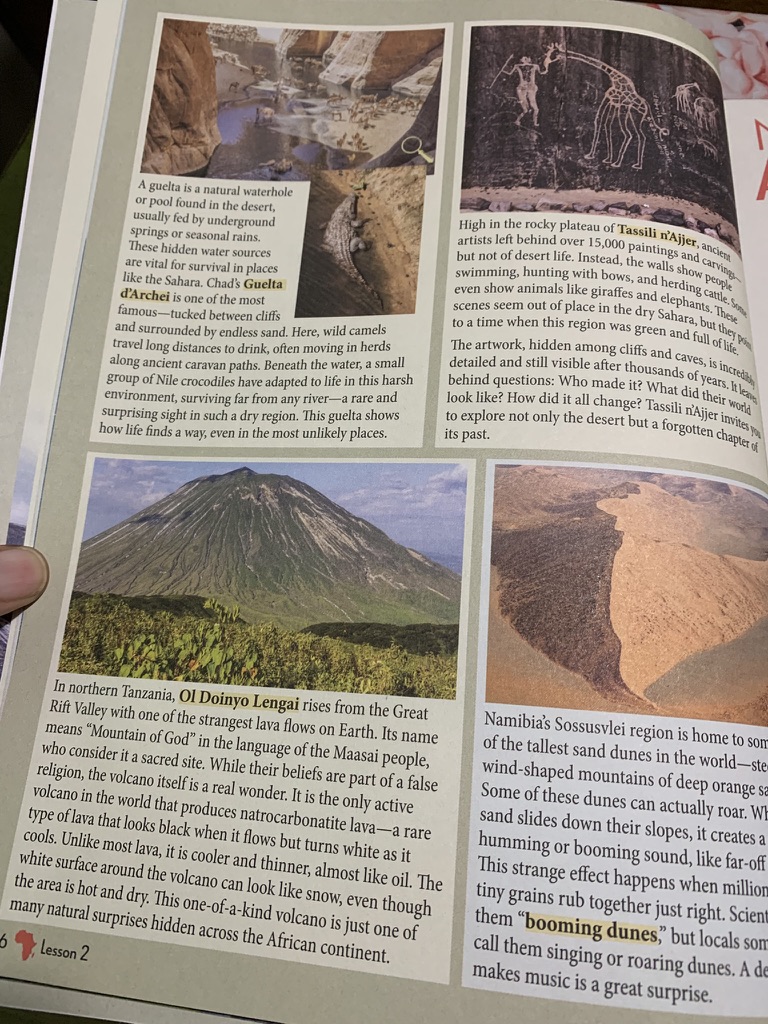
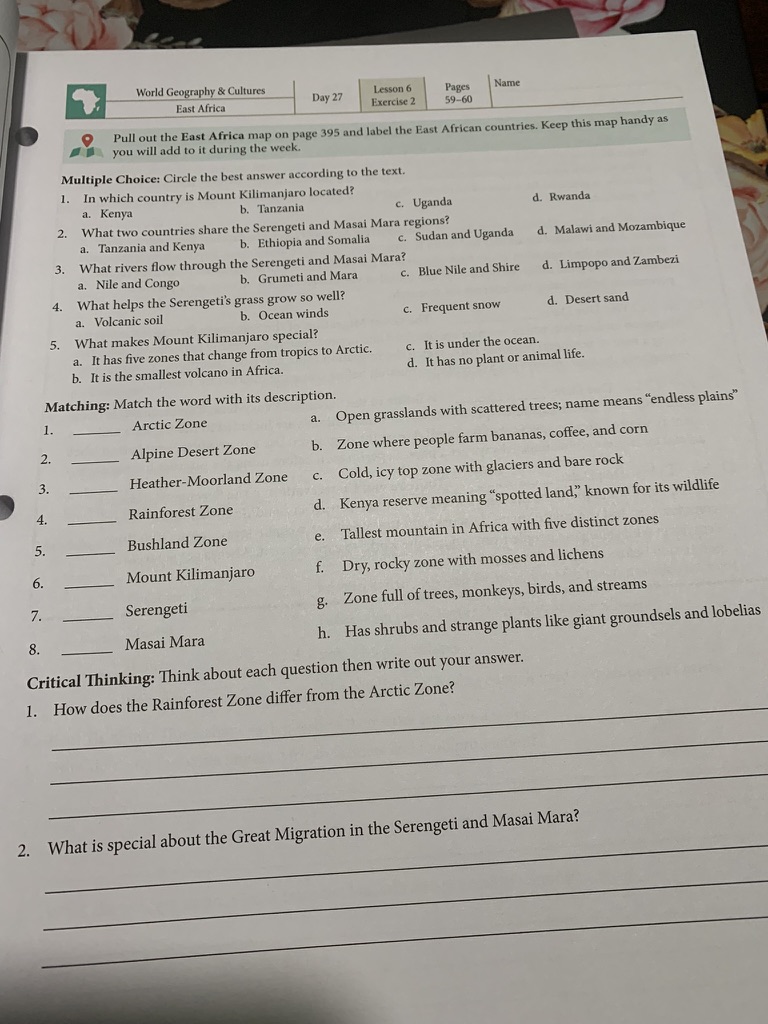
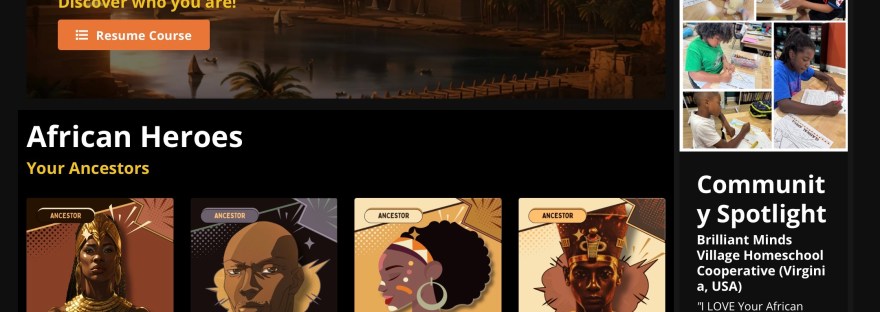
African American History Curriculum, African History, African Studies, African Studies High School, African Studies Middle School, Black History, Curriculum, Diverse History, Homeschool, homeschool curriculum, Inclusivity, US History

Flipping the Script: Teaching History Through Unheard Voices

Choosing a history curriculum this year was not an easy task it was a huge struggle. I knew from the start that we didn’t want to spend weeks reviewing early U.S. history. Both my son and I wanted something different: a curriculum that allowed us to dig deeper into Indigenous, African, Hispanic, and Asian history, and to start our study at Reconstruction instead of repeating material we’ve already covered over and over again.

As my son often reminded me, “I know all of this why do we have to spend so much time going back through slavery?” I realized he was feeling the same way I was tired, re-traumatized, and ready to move forward. That’s when I decided it was time to shake things up and seek out resources that honored voices often left out of the mainstream narrative.

Why We Passed on a Traditional Approach

Most history curriculums for middle and high school start with the same framework: early exploration, colonial America, and then a heavy emphasis on slavery and the Revolutionary era. While important, this wasn’t what we needed this year. We wanted to move forward into parts of history that aren’t often highlighted, such as the Black towns that thrived in the late 1800s and 1900s, the rise of Black-owned banks, and the housing struggles that shaped African American communities.

We also wanted to explore the roles Indigenous, Asian, and Hispanic Americans played after the Civil War topics like the Chinese Exclusion Act, the Dawes Act, landmark court cases involving Black and Brown communities, the Chicano Moratorium, the Black Panther Party, and the Young Lords.

Shifting Perspectives: A Standout Choice

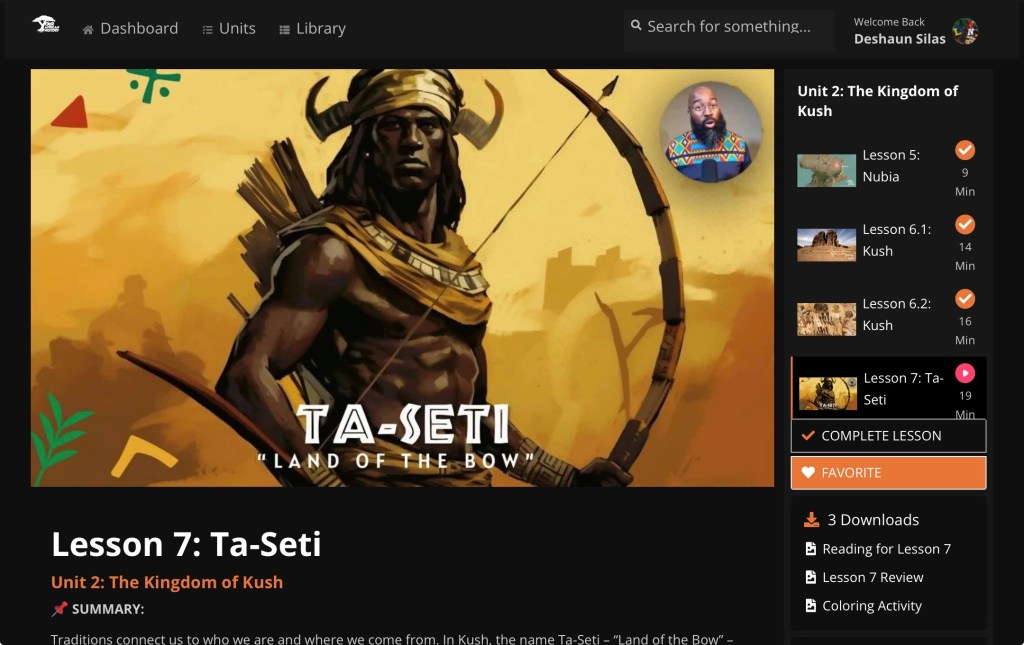
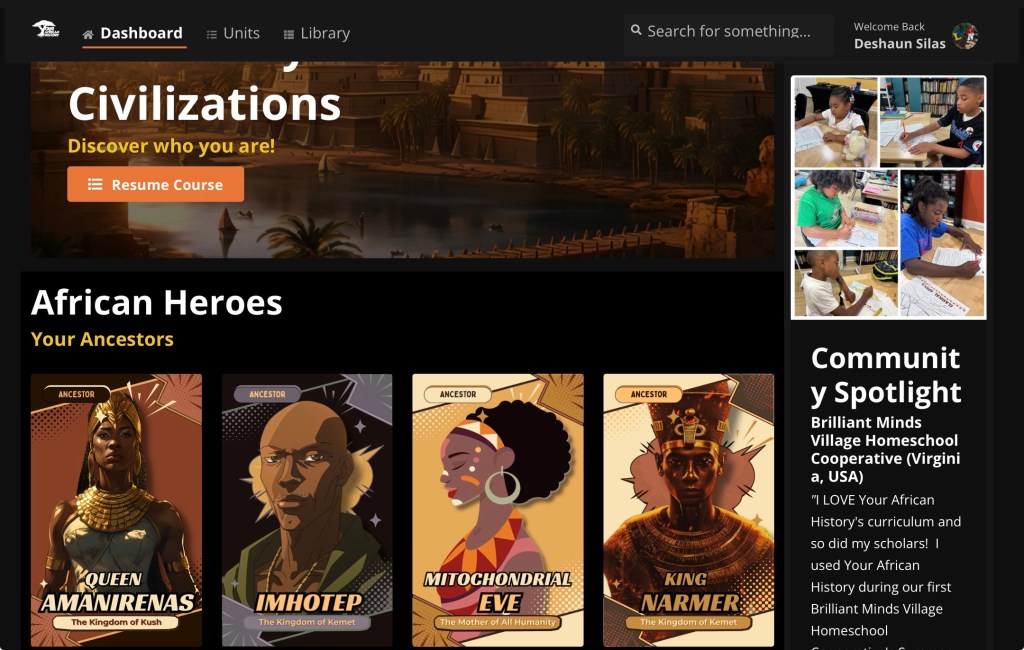
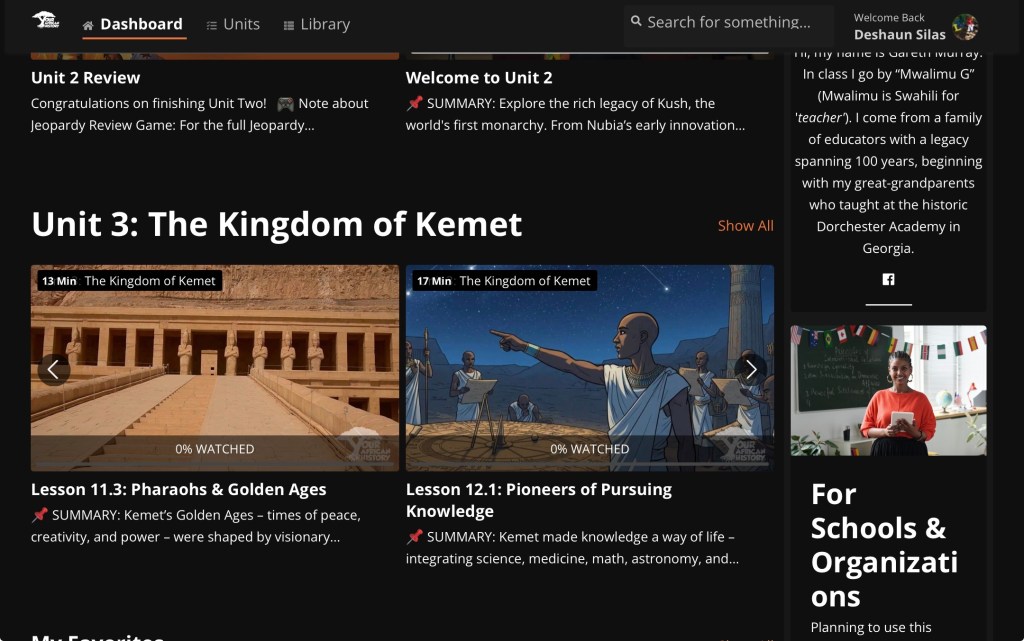
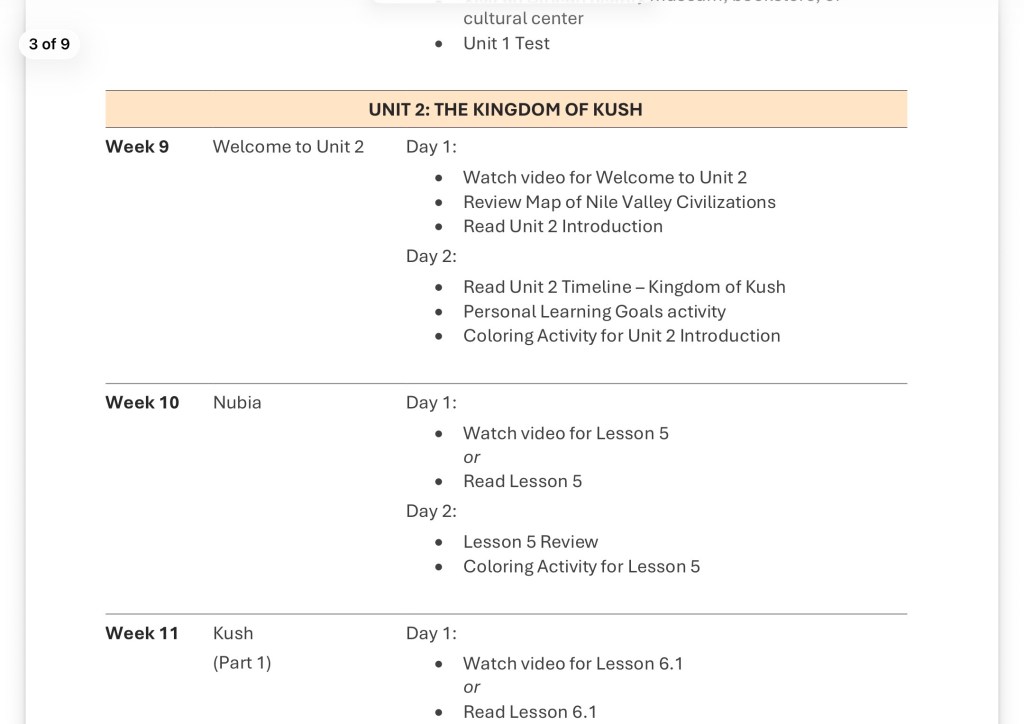
One of the first curriculums that caught our attention last year was Shifting Perspectives by Tanya Adkins. This resource instantly resonated with us. It didn’t shy away from hard truths, but instead encouraged students to engage thoughtfully with history.

What I loved most was how it revisited parts of U.S. history that we hadn’t fully covered in depth, filling in gaps while keeping the focus beyond the same repeated storylines. My son was excited about the structure, and we’re already eagerly awaiting the release of Volume 2. For those areas we wanted to revist this year they are on the list and planned out.

For anyone looking to bring in Afrocentric perspectives that go beyond surface-level coverage, this curriculum is a gem. Be sure to check out my full review of it for more details!

Mint & Bloom: Fresh Voices in History

Next, I flipped through Mint and Bloom’s new Middle School/High School History curriculum when it dropped this summer and was impressed by how they flipped the narrative. Their approach intentionally gives voice to the unheard and emphasizes stories that often get overlooked in standard textbooks.

I especially appreciated:

  • Interactivity: Activities that get kids thinking, analyzing, and connecting the past to the present.
  • Representation: Their textbook selections felt intentional and inclusive, bringing in diverse perspectives.

While we won’t be using it as a standalone this year, Mint & Bloom is going to be a strong partner in shaping our history journey, the great part is I already owned about 90% of the books

Oh Freedom High School: Pieces We’re Keeping

We also considered Oh Freedom High School, but ultimately Volume 1 wasn’t a perfect fit for what we were looking for this year. Still, I couldn’t walk away from it entirely. I really liked the journal component and some of the book selections, which we’ll be weaving into our studies.

Sometimes the best curriculum isn’t an all-or-nothing choice it’s about pulling what works for your family and leaving the rest.

Creating Our Own Path

After reviewing these resources, I decided to merge the best parts of each and write our own history plan. This way, we can focus on the topics that matter most to us: the hidden stories, the overlooked communities, and the rich contributions of people who shaped history but rarely get center stage in textbooks.

This blend allows us to honor Reconstruction, dive into critical turning points like the Chicano Moratorium and the Dawes Act, and explore movements like the Black Panther Party and the Young Lords in a way that feels empowering, not exhausting.

Conclusion: Reclaiming Our History

This journey taught me that it’s okay to say no to the traditional script and yes to something that works better for us. History isn’t just about memorizing dates—it’s about understanding whose voices are amplified and whose are silenced.

By blending Shifting Perspectives, Mint & Bloom, and select pieces from Oh Freedom, we’ve built a history curriculum that doesn’t retraumatize, but instead empowers. We’re reclaiming history in a way that brings truth, representation, and healing into our homeschool. The great part is we can take our time we use these histories over the next two years.

For us, history this year isn’t about what’s always been taught it’s about uncovering what’s been hidden.

2nd Grade Curriculum, 3rd Grade Curriculum, Curriculum, Curriculum Resource, Homeschool, homeschool curriculum, homeschool science, S.T.E.A.M, Science

Real Science-4-Kids Book 2: A Full-Circle Homeschool Win

As a homeschool mom, I often reflect on the resources that shaped our early years. One of the very first science programs we used was the Real Science-4-Kids Focus On series, back when my son was in K–2nd grade. He enjoyed it so much, but honestly, I can’t help but wish this new and updated version Real Science-4-Kids Book 2 had been available back then. He would have absolutely thrived with it as a 2nd grader and loved every minute of it.

Now, years later, I’m thrilled to be reviewing this curriculum from the perspective of having used the earlier editions. And let me tell you—this new edition is every bit as engaging and rigorous, with even more structure and vibrant illustrations that make science come alive. Best of all, it’s secular and included in the brand-new Timberdoodle Co. Curriculum Kit 2025–2026 for 2nd grade. For families who value both solid science and ease of teaching, this update is a fantastic addition.

What’s New and Noteworthy in Real Science-4-Kids Book 2

1. Multi-Disciplinary Approach:
This curriculum weaves Chemistry, Biology, and Physics together in one year. Instead of siloing topics, it introduces kids to the interconnectedness of science exactly how real scientists approach the world.

2. Open-and-Go Format:
The clean layout, short readings, and step-by-step lessons make it incredibly user-friendly. I don’t need to spend hours preparing—everything is laid out for both parent and child.

3. Hands-On Experiments that Work:
One of my favorite aspects is that the experiments are doable and meaningful. They don’t require obscure supplies, and they actually reinforce the lesson concepts in a memorable way.

4. Vibrant Visuals & Engaging Content:
The colorful illustrations and clear diagrams make each page appealing. It’s structured enough for serious learning but still fun and approachable for young learners.

Digital Resources Included

Each set comes with digital access to the student book and teacher guide, which is great for flexible learning and printing.

On the Real Science-4-Kids website, you can preview free samples of the curriculum before you commit, and for those who want even more, there’s a Digital Library available at an additional cost. That library includes extended readings, quizzes, experiments, and enrichment opportunities perfect for science-loving kids who want to go further.

Who This Curriculum Is Great For

Families using Timberdoodle Kits who want a rigorous, secular science program.

Young learners ready for an academic challenge it feels about a year ahead of grade level.

  • Students who truly love science and thrive on digging deeper.
  • Homeschool parents who appreciate an open-and-go, structured program.
  • Families who enjoy hands-on learning with vibrant, engaging visuals.

My Honest Opinion

In my opinion, Real Science-4-Kids Book 2 is about a year ahead—and that’s a strength. For kids who love science, this program is a goldmine. It’s structured, user-friendly, and filled with vibrant illustrations that capture attention while keeping the focus on learning.

I can’t help but think how much my son would have loved this curriculum if it had been available during his 2nd grade year. It’s exactly the kind of science program he would have thrived on hands-on, engaging, and deeply satisfying to his curiosity.

Final Thoughts from This Homeschool Mom

As a mom who has used earlier Real Science-4-Kids editions, I can confidently say this updated version is a win. It builds on the strengths of the original series and delivers a more polished, vibrant, and structured experience.

If you’re looking for a secular, rigorous, and joyful science curriculum, you’ll be just as excited as I was to see Real Science-4-Kids Book 2 included in the Timberdoodle Co. Curriculum Kit 2025–2026 for 2nd grade. This is one science program that will both challenge and inspire your young learner—and it’s already a new favorite in our homeschool.