High School Credit, High School Humanities, Homeschool, homeschool curriculum, Homeschool Geography

From Africa to Around the Globe: Why Master Books Geography Impressed Me

We received World Geography & Cultures from Masterbooks for our honest.

Finding a high school geography course that goes beyond memorizing maps and capitals can honestly be difficult. Many high school world geography programs tend to skim over cultures, provide surface-level geography, or fail to help students truly connect how geography impacts history, economics, religion, government, and daily life. After taking a deep dive into World Geography & Cultures from Master Books, I was genuinely impressed by how much depth, intentionality, and flexibility this curriculum offers for homeschool high school families.

This curriculum is far more than a simple geography course. It blends geography, culture studies, worldview discussions, writing, economics, and character development into one comprehensive high school program that can easily become part of a strong transcript-building plan for college-bound students.

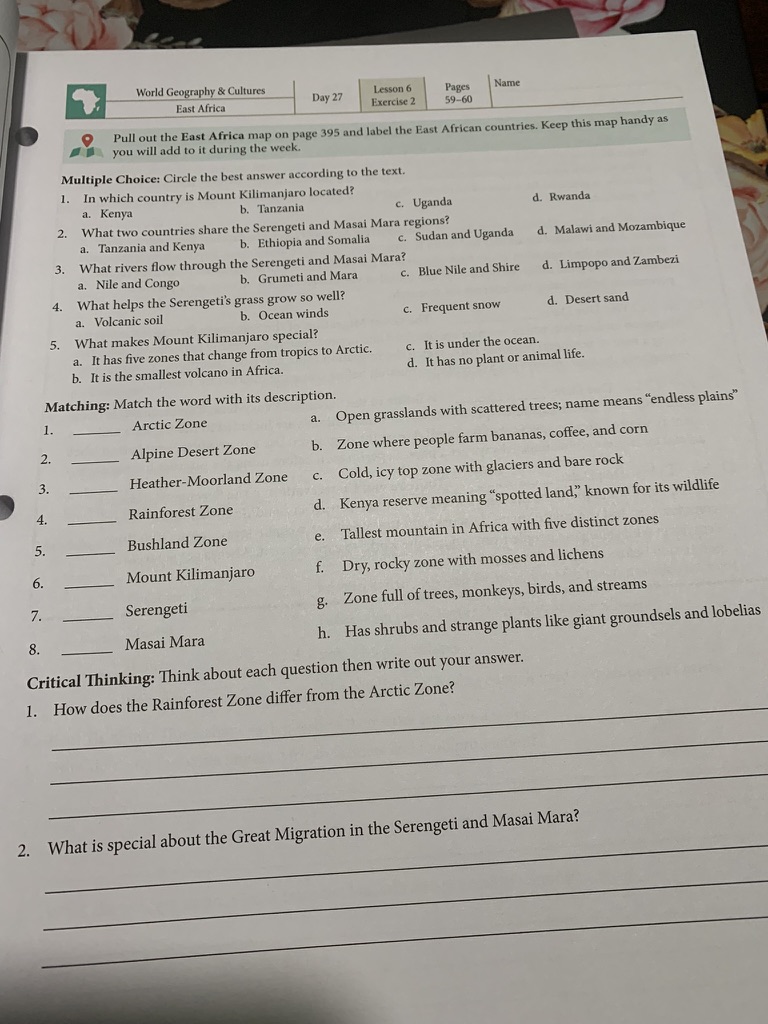
One of the biggest things that stood out to me immediately was the structure of the course. The curriculum includes both a student book and a teacher guide, making it incredibly parent-friendly while still maintaining a solid high school level of rigor. The teacher guide lays out easy-to-follow daily lessons, assignments, discussion prompts, and guidance that helps families stay organized without feeling overwhelmed. For busy homeschool parents, this is a huge win.

Where Many High School Geography Programs Fall Short

One issue I often notice with many high school world geography courses is that they focus heavily on physical geography while barely touching the people, traditions, belief systems, or cultural identities connected to those regions. Students memorize locations but never truly understand the heartbeat of the nations they are studying. World Geography & Cultures does not make that mistake.

Instead, Master Books does an excellent job connecting geography to culture, economics, faith traditions, historical development, government structures, and daily life around the world. Students begin seeing how geography shapes civilizations and how cultures adapt based on climate, resources, religion, trade, and regional history.

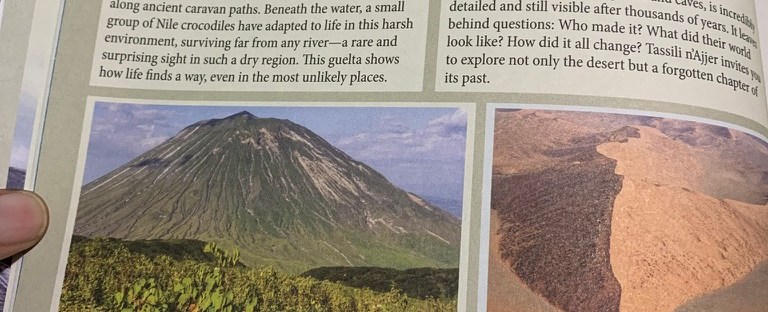
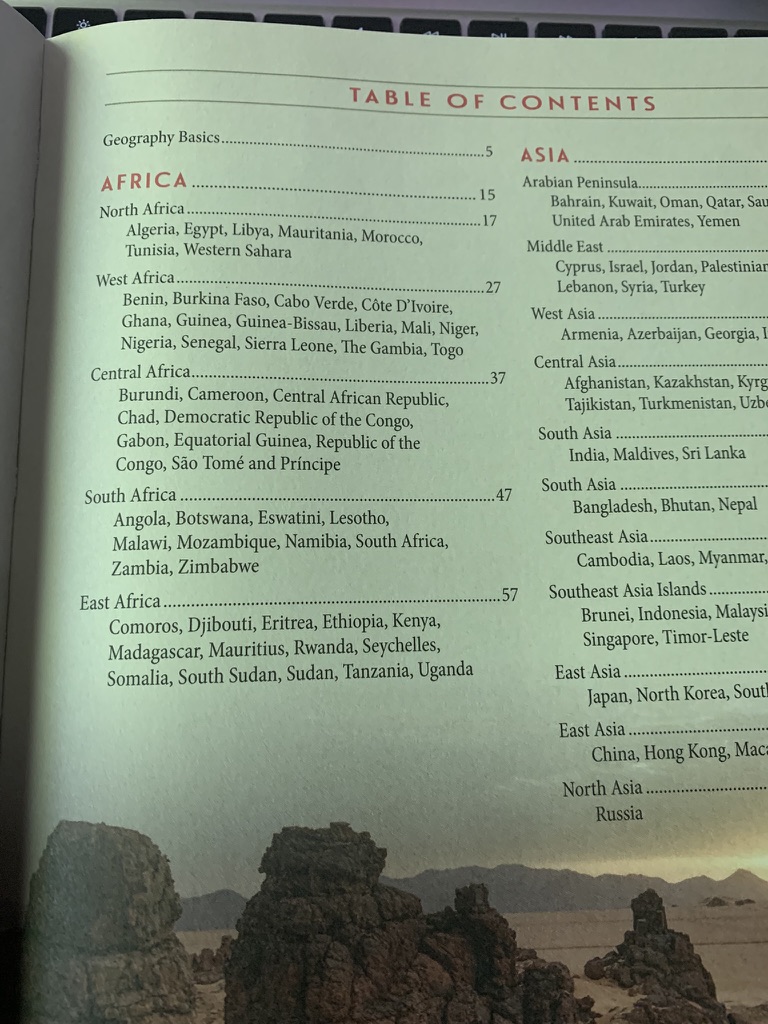
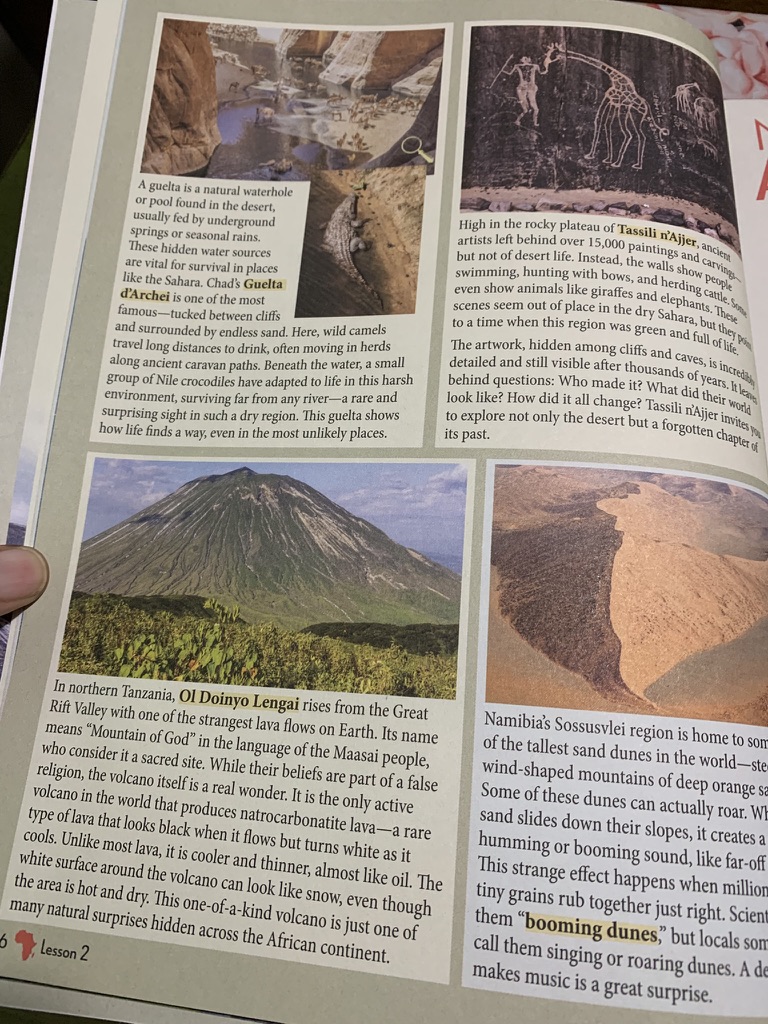
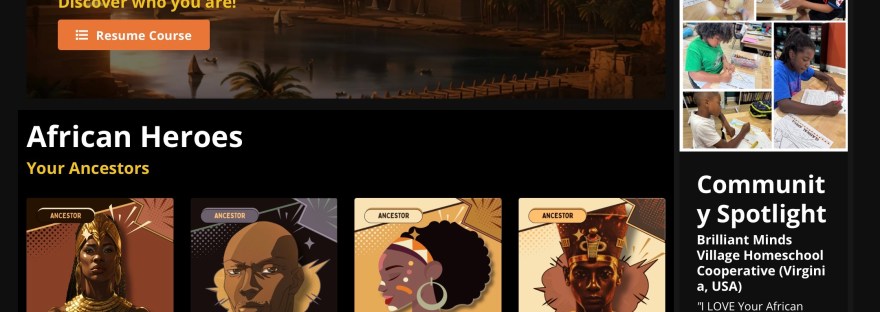
I was especially impressed with the curriculum’s deep dive into African geography and culture. Too often, African studies are condensed into a few pages or presented through a very narrow lens in traditional programs. I appreciated that this course actually begins with Africa and gives students a more meaningful understanding of the continent’s geography, regions, people groups, resources, traditions, and cultural richness. That alone made this curriculum stand out to me because Africa deserves more than a brief overview in world studies.

The cultural component of this course also makes it an excellent addition to humanities studies. Students are not simply learning “where” places are located they are exploring how people live, think, worship, build communities, and interact globally. That broader worldview approach helps students develop empathy, understanding, and compassion for people from different backgrounds and experiences.

Multi-Credit Potential for High School Students

One of the strongest aspects of this curriculum is its flexibility for transcript planning. Homeschool parents looking to maximize credits while keeping learning connected will appreciate the multiple ways this course can be used. Depending on how deeply families expand assignments and supplemental work, World Geography & Cultures could potentially support credits in:

  • World Geography
  • Cultural Studies
  • Humanities
  • Religious Studies
  • Economics
  • Writing/Composition
  • Social Studies electives

This makes the curriculum especially valuable for homeschool high school students who are building comprehensive transcripts. Families can strengthen the course further through research papers, presentations, current events analysis, journaling, map work, documentaries, cultural cooking projects, literature pairings, or worldview discussions.

For students interested in missions, international relations, law, ministry, political science, global studies, anthropology, or humanities, this course creates a strong foundation for deeper high school learning.

Standout Features of the Curriculum

One of the most impressive aspects of Master Books World Geography & Cultures is how thoughtfully it combines geography, culture, worldview, economics, writing, and character development into one cohesive course. The curriculum includes both a student text and a teacher guide, making it easy for parents to implement while still providing a rigorous high school experience. The daily lesson plans are clearly laid out and simple to follow, removing much of the planning burden from homeschool parents. Students are encouraged to engage with the material through map work, research, writing assignments, and meaningful discussions that help them connect geography to real-world issues and cultures. Another standout feature is its flexibility. Families can complete the course in a traditional school year or stretch it over multiple years to create a richer humanities experience. The curriculum also offers excellent transcript-building potential, allowing families to incorporate elements of geography, cultural studies, writing, economics, and religious studies into their high school plans. Perhaps most importantly, Master Books does an exceptional job of fostering character, compassion, and global awareness, encouraging students to develop empathy and understanding for people and cultures around the world.

Who Would This Curriculum Be a Good Fit For?

I think this course would be an excellent fit for:

  • College-bound homeschool high school students
  • Families wanting a strong humanities approach
  • Students interested in global studies or missions
  • Students who enjoy cultural studies
  • Parents looking for transcript-building flexibility
  • Families wanting a faith-integrated worldview approach
  • Students who thrive with discussion-based learning
  • Homeschoolers seeking deeper world geography studies

It would also work beautifully for co-ops, family-style learning, or independent high school students who enjoy research and exploration.

A Note About the Faith-Based Perspective

One aspect homeschool families should be aware of is that Master Books World Geography & Cultures is written from a Christian worldview. Throughout the course, students will encounter faith-based discussion questions, worldview reflections, and occasional references to Christianity as it relates to various regions and cultures around the world. However, I found that these sections are generally easy to navigate for families from different faith backgrounds or those who prefer a more secular approach. The geography, cultural studies, economics, and humanities content remain the core focus of the curriculum, and the faith-based questions can often be omitted, rephrased, or adapted to align with your family’s own beliefs with very little effort. Personally, I felt that skipping certain questions or modifying them to encourage broader critical thinking did not take away from the overall quality or educational value of the lessons. The curriculum’s strengths in geography, culture, and global understanding remain intact, making it a flexible option for a wide variety of homeschooling families who are willing to make minor adjustments where needed.

Final Thoughts

Overall, I walked away highly impressed with World Geography & Cultures from Master Books. This curriculum goes beyond basic geography and creates an immersive learning experience that helps students connect geography, culture, worldview, economics, and humanity in meaningful ways.

For homeschool high school families looking for a flexible, transcript-friendly course that encourages both academic growth and compassionate global understanding, this curriculum is absolutely worth considering. The combination of strong geography instruction, cultural depth, writing integration, and humanities potential makes it one of the more unique high school geography options currently available for homeschoolers today.


Art, High School, High School Electives, Homeschool, homeschool curriculum, Intergrated Homeschool Curriculum

Slowing Down and Seeing More: Why We Fell in Love with Beautiful Feet Books Art Appreciation

We received Beautiful Feet Books Art Appreciation for our honest review!

There is something special about slowing down during the spring and summer months. After a busy academic year filled with math lessons, writing assignments, science labs, and history studies, I always look for opportunities to introduce learning that feels rich, meaningful, and inspiring without adding pressure. This year, that opportunity came in the form of the Beautiful Feet Books Art Appreciation curriculum.

One area where I have always felt our homeschool fell a little short was art appreciation. My son plays both the piano and trombone, so music has always had a strong presence in our homeschool. However, we never quite found a solid art appreciation curriculum that allowed us to intentionally study artists, artwork, and the stories behind the masterpieces. Beautiful Feet Books changed that.

We are certainly no strangers to Beautiful Feet Books. When my son was younger, we thoroughly enjoyed their Around the World series. I still remember some of our favorite lessons on Asia and Africa. To this day, The Story About Ping remains one of my son’s favorite books. Over the years, we also worked through their Early American History and History of California programs, both of which left lasting impressions on our homeschool journey. So when it came time to choose an art curriculum, Beautiful Feet Books was already a trusted name in our home.

Starting at Lesson 61

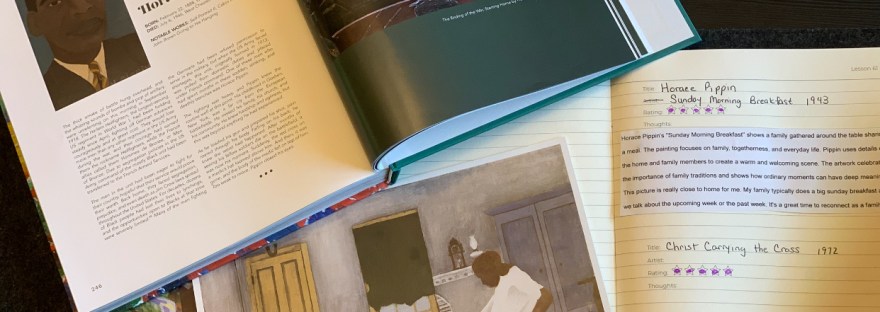
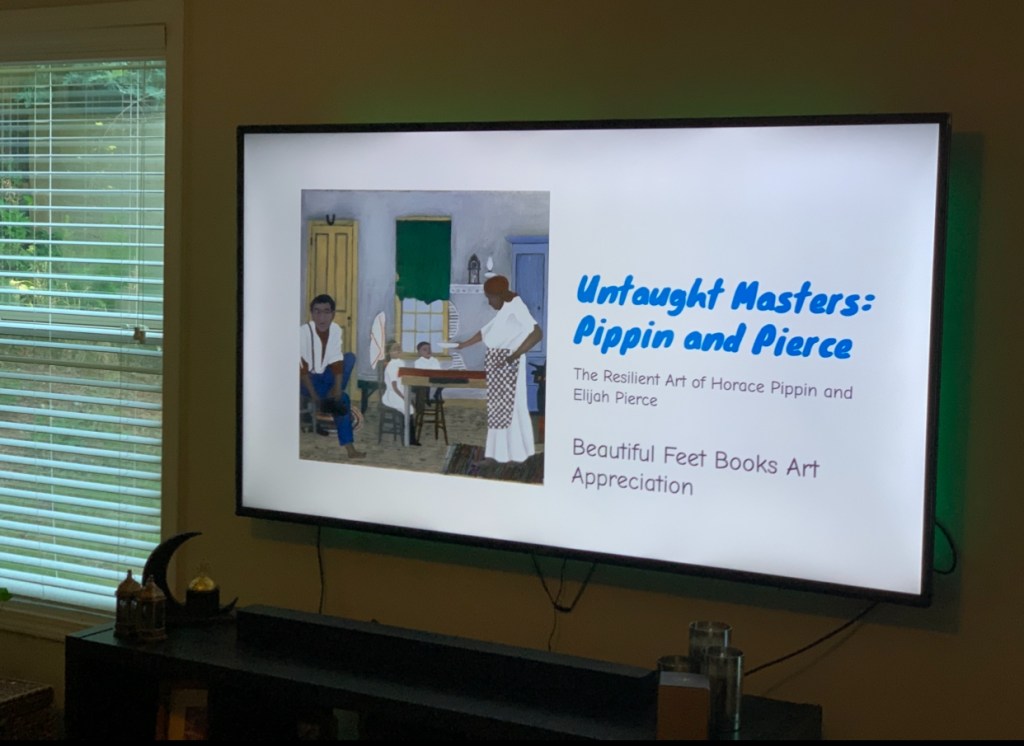
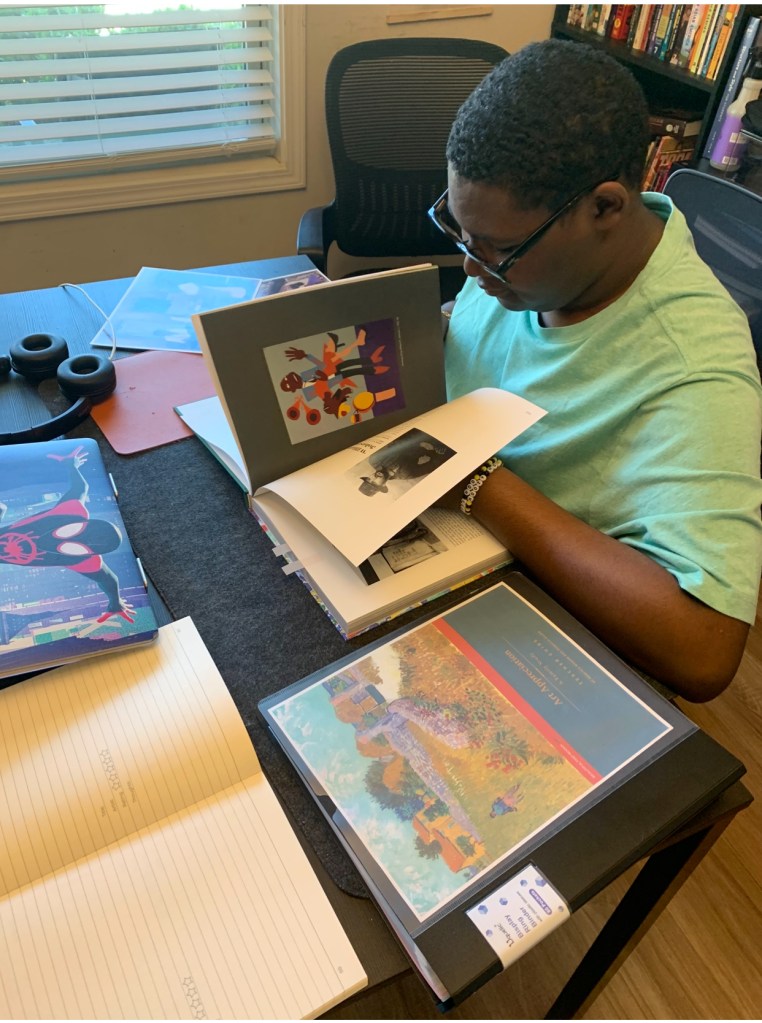
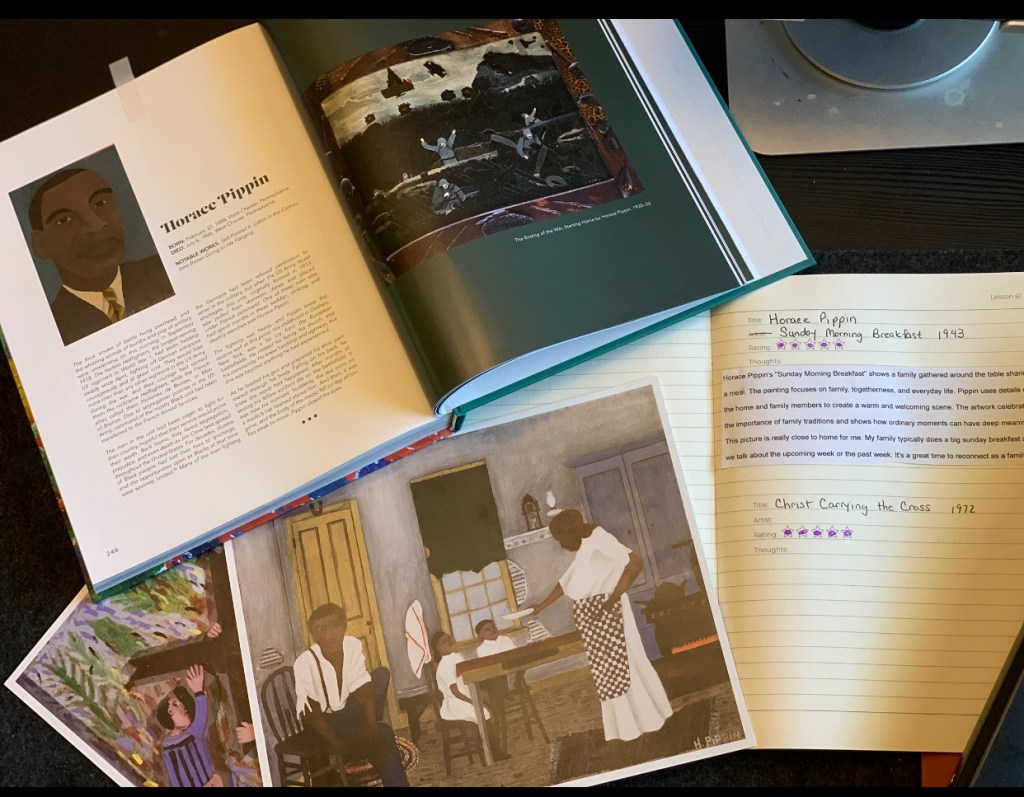
One of the wonderful things about homeschooling is the freedom to customize learning. While most families begin at Lesson 1, we decided to do things a little differently. We started with Lesson 61, featuring Horace Pippin and Elijah Pierce.

Why start there?

At the time, we were deeply immersed in studying World War I and World War II. Horace Pippin’s artwork and personal story connected beautifully to our history studies. As a veteran who served during World War I, Pippin’s paintings provided a unique lens into American history, perseverance, and artistic expression. Elijah Pierce brought another layer of cultural richness to our studies. His wood carvings tell stories of African American life, faith, community, and history. Together, these two artists created the perfect bridge between our history studies and art appreciation lessons. The experience reminded me that art is not a standalone subject. It connects naturally with literature, history, culture, and even personal reflection. We even went down one of the suggested Rabbit Trails and studied about Dave Potter.

How the Curriculum Works

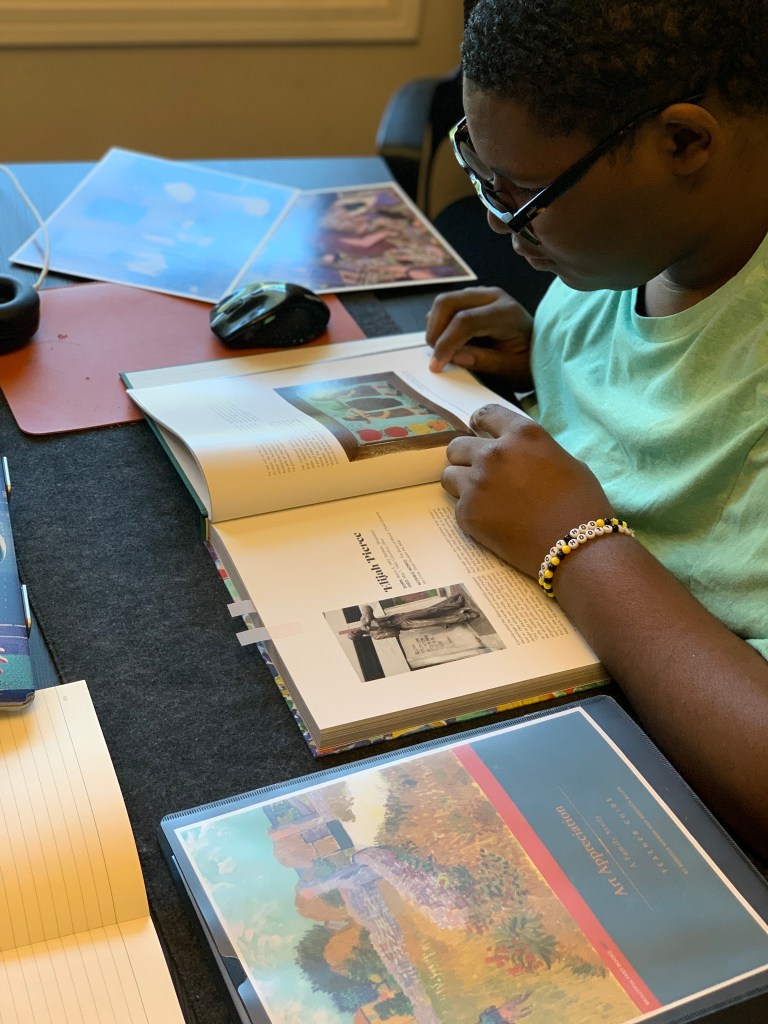
Beautiful Feet Books Art Appreciation is designed as a comprehensive two-year study that introduces students to artists from a wide variety of cultures, backgrounds, and artistic movements. The curriculum is intended for students in grades 5-12 and can easily be completed family style, making it a wonderful option for homeschooling multiple children at once. The program is designed to be completed at a gentle pace of one lesson per week over two years. For high school students, this pacing can translate into a full fine arts credit each year, making it an excellent addition to a high school transcript while still remaining enjoyable and manageable.

One of my favorite features is the thoughtful integration of technology through QR codes. Throughout the guide, students can scan QR codes that connect them directly to artwork, artist resources, virtual galleries, videos, and additional learning opportunities. This feature makes the lessons feel interactive and helps bring the artists and their work to life.

A Typical Lesson

A typical lesson is simple yet incredibly rich. We begin by reading about the artist’s life and historical background. This helps provide context and allows students to understand not only what the artist created but why they created it.

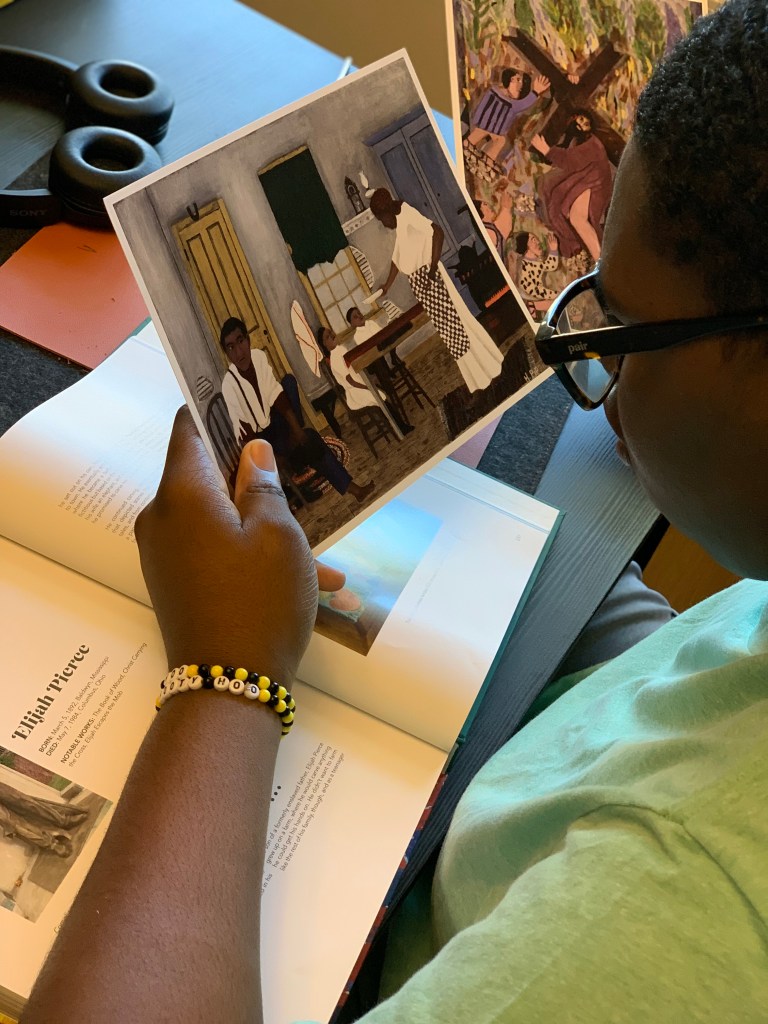
Next, we examine the artwork itself. Students are encouraged to slow down, observe carefully, and think critically about what they see. Rather than simply identifying facts, they learn to ask questions:

  • What emotions does this artwork evoke?
  • What story is being told?
  • What techniques did the artist use?
  • How does the artwork reflect the time period in which it was created?

In our homeschool, many of these conversations turned into meaningful discussions about culture, identity, perseverance, and history.

Homeschool Planet Integration

Another feature we absolutely loved was that the lesson plans are available directly through Homeschool Planet. We took full advantage of this feature. The lessons integrated seamlessly into our schedule, allowing me to easily plan, track, and organize our weekly assignments. Having the lessons already mapped out removed much of the planning burden and made it easy to remain consistent throughout the summer. For busy homeschool parents, this integration is a tremendous benefit.
A Diverse and Meaningful Approach to Art

One aspect that truly stands out is the diversity of artists included throughout the curriculum. Students are introduced to artists from different cultures, ethnicities, countries, and artistic traditions. The result is a well-rounded study that reflects the broad and beautiful story of human creativity. As an Afro-Latina homeschool mom, I deeply appreciate seeing artists like Horace Pippin and Elijah Pierce included alongside more traditionally studied artists. The curriculum creates opportunities for students to see themselves represented while also expanding their understanding of the world around them. The lessons naturally invite rabbit trails into history, geography, literature, religion, social studies, and cultural studies. Those unexpected learning moments often became some of our favorite conversations.

Who Is This Curriculum Best For?

Beautiful Feet Books Art Appreciation is an excellent fit for:

  • Homeschool families looking for a gentle but meaningful fine arts program.
  • Families who enjoy literature-based learning.
  • Students in grades 5-12.
  • High school students needing fine arts credit.
  • Families teaching multiple ages together.
  • Students who enjoy history, culture, and storytelling.
  • Homeschoolers who thrive with discussion and reflection rather than workbook-heavy instruction.

This curriculum is especially valuable for families who want art appreciation to feel connected to the larger story of humanity rather than simply memorizing artists and paintings.

Final Thoughts

Sometimes the subjects we neglect the most become the ones that enrich our homeschool the deepest. Beautiful Feet Books Art Appreciation arrived at exactly the right time for our family. During a season when we intentionally chose a slower pace, it gave us the opportunity to pause, observe, discuss, and appreciate beauty in a way we had not previously prioritized. What began as an attempt to add art studies to our homeschool quickly became something much more meaningful. Through artists like Horace Pippin and Elijah Pierce, we found connections to history, culture, resilience, and personal expression. Through thoughtful discussions, beautiful artwork, and countless rabbit trails, art became more than a subject it became a conversation.

Beautiful Feet books for a limited time is offering free shipping for US orders only using the code: IHN26FAS through the end of July 2026.

Homeschooling gives us the freedom to follow interests, make connections, and learn in ways that traditional classrooms often cannot. Beautiful Feet Books Art Appreciation embraces that philosophy beautifully. It invites students to slow down, look closely, think deeply, and discover the stories hidden within great works of art. For our family, it filled a gap we didn’t even realize was there. And for that reason alone, it has become one of the most meaningful additions to our homeschool journey.

Digital Learning Platform, Education, Grammar, High School, Homeschool, homeschool curriculum, Middle School, Novel Studies, Online Learning, Unit Study

Beyond the Flame: How Literary Adventures for Kids Helped My Teen Go Deeper Into Fahrenheit 451

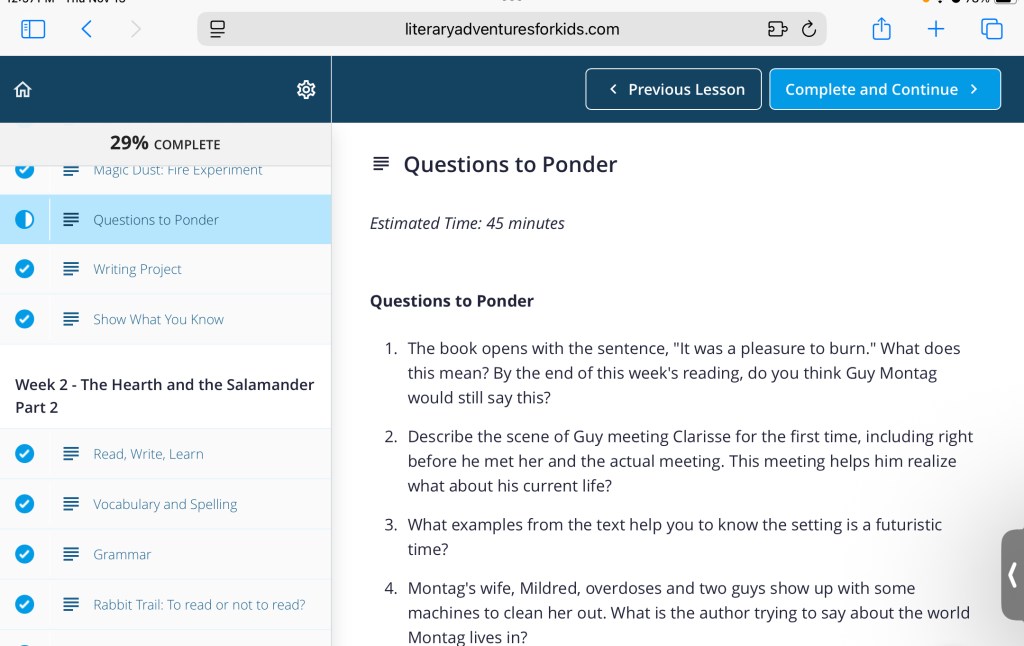
When your teen falls in love with dystopian literature, you follow the trail with them. My son recently dove into The Hunger Games, then The Giver, and most recently Fahrenheit 451. But after finishing Bradbury’s classic, he came to me with big, layered questions about censorship, symbolism, society, and why Bradbury wrote the book the way he did. He wanted to dig deeper, not just gloss over the content. I searched for a novel study that could match his curiosity, but everything I found felt rigid, overly academic, or full of busywork. Then I remembered we still had our Literary Adventures for Kids account. To my relief, they offered a Fahrenheit 451 study, and once I opened it, I knew immediately that it was exactly what we needed.

Literary Adventures for Kids (LAK) is an online, self-paced literature platform designed to bring stories alive through exploration, multimedia learning, and intentional Socratic-style questioning. Instead of draining the joy out of reading with endless worksheets, it enhances the experience. The digital layout is clean and easy to navigate, and lessons are structured in a way that encourages deep thinking without overwhelming the student.

What Makes Literary Adventures for Kids Stand Out

LAK avoids the “read-and-regurgitate” approach that turns teens off from literature. Instead, it blends academic depth with interactive, curiosity-driven learning. Students are guided to think critically, question themes, and draw connections between the story and real-world issues.

Some standout features include:

  • Rabbit Trails of Wonder — These guided explorations help students dive deeper into topics related to the novel, such as censorship, propaganda, technology, or Bradbury’s historical context.
  • Socratic-Style Discussion Prompts — Instead of factual recall, LAK offers open-ended questions that push students to analyze, interpret, and evaluate the author’s message.
  • Creative and Multi-Sensory Activities — Journaling, copywork, theme mapping, mini-projects, and multimedia clips enrich the learning experience.
  • Rigor Without Burnout — Lessons feel meaningful and meaty, but never overwhelming or monotonous.
  • A Diverse Catalogue of Books — The platform offers a wide assortment of titles, from classics to contemporary YA, diverse authors, and culturally rich stories.

Inside the Fahrenheit 451 Study

The Fahrenheit 451 study was the perfect blend of analytical, creative, and reflective learning. Each module invited my son to slow down and consider the symbolism that runs throughout the book. The platform included context about book banning, historical events that shaped Bradbury’s writing, and discussions that helped my son articulate his thoughts clearly and confidently.

He especially loved:

  • exploring rabbit trails about censorship and media control
  • watching short, curated videos that expanded his understanding
  • answering Socratic-style prompts that made him think deeply
  • journaling about the ethical dilemmas in the story
  • comparing Bradbury’s warnings to today’s society

This study didn’t talk at him it invited him into a conversation with the text.

A Strong, Diverse Book Catalog

One of my favorite aspects of Literary Adventures for Kids is the variety of books available. Their catalogue includes:

  • classic literature
  • modern young adult novels
  • diverse and multicultural stories
  • high-interest titles teens actually want to read
  • newer releases and timeless favorites

It gives homeschool families the freedom to choose books that align with interests, learning goals, and cultural representation all while maintaining academic richness.

Final Thoughts

Literary Adventures for Kids brought our Fahrenheit 451 experience to life in a way traditional novel studies simply couldn’t. My son thrives on interactive, thoughtful, and well-designed lessons, and LAK delivered all of that with ease. It made him excited to revisit the novel and unpack everything he was curious about. Instead of draining his enthusiasm, LAK amplified it.

If you have a teen who prefers Socratic dialogue, multimedia learning, and meaningful exploration over worksheets, this platform is a gem. It respects how middle and high school students think, question, and understand the world.

If you’re ready to turn novel studies from dry assignments into immersive, curiosity-driven adventures, take a look at Literary Adventures for Kids.

Fahrenheit 451 warns us about what happens when people stop thinking
LAK encourages our students to think deeper, question boldly, and let their love of literature burn bright.

Curriculum, Curriculum Resource, Homeschool, homeschool curriculum, Science

A Non-Religious Science That Delivers: Our Take on Real Science Kids Level 4

We recieved a copy of Real Science Kids Level 4 for our honest review!

We’ve finished our hands-on walkthrough of Real Science Kids Level 4 (newest release) and this is our final, comprehensive review of the series. If you’ve been following our earlier write-ups of Levels 2–3, this review ties everything together, compares how Level 4 builds on those earlier levels, and explains why this level is especially suited to some 4th graders and not to others.

Overview what Level 4 is at a glance

Real Science Kids Level 4 steps up both the depth and pace of science instruction compared with the early levels. It keeps the series’ hallmark hands-on experiments and approachable explanations, but it accelerates the curriculum: lessons move faster, explanations are denser, and activities expect stronger reading comprehension and independent thinking from students. For a motivated 4th grader who already enjoys science, Level 4 can feel exciting and rewarding. For a student who needs slower pacing or heavy remediation, you’ll want to plan extra time or pair it with more guided instruction.

Topics covered

Level 4 blends life, physical, and earth science in more sophisticated ways. Expect units that include (but are not limited to):

  • Life Science: ecosystems, plant and animal adaptations, food webs, basic genetics concepts
  • Physical Science: matter & its properties, simple chemistry experiments, forces and motion basics
  • Earth & Space: rock cycle, weather patterns, solar system fundamentals
  • Scientific Skills: hypothesis development, controlled experiments, measurement, graphing, data interpretation
  • Practical/Enrichment: lab journals, extension projects, STEM challenges and mini-research tasks.

Why it’s a great fit for many 4th graders

  • Accelerated, rigorous pacing: Level 4 assumes students can read instructions carefully, follow multi-step experiments, and synthesize results into conclusions. That makes it ideal for curious, independent learners who are ready to think like junior scientists.
  • Hands-on emphasis: The experiments and projects are engaging and meaningful they’re not just demonstrations, they ask students to predict, measure, record, and reflect.

Limitations / who should be cautious

Not for every 4th grader out of the box: Because the curriculum is accelerated, students with weaker reading comprehension or poor attention to multi-step instructions will struggle without extra support.

Requires parental/teacher involvement for some students: To get full value, some learners will need guided read-alouds, demonstration of techniques, or pre-teaching of vocabulary.

Pacing expectations: If you use Level 4 as a straight replacement for a slower paced Level 3, be ready to adjust schedule or split some lessons.

How Level 4 compares to our earlier Level 2–3 reviews

When we reviewed Levels 2–3, the series felt very gentle: short lessons, lots of picture support, and very guided, parent-led experiments perfect for early elementary learners. Level 4 clearly intends to bridge to middle-school science thinking: it asks students to do science, not merely observe it. If you used Levels 2–3 in your homeschool, Level 4 will feel like a natural but definite step up. Expect to revisit how you scaffold reading and experiment setup: what worked with Level 3 (read-aloud instructions, step-by-step adult demos) may need to become a bit more student-centered with Level 4.

Teaching tips & pacing suggestions

  • Pre-teach vocabulary: Spend a short pre-lesson on key terms — this pays off on experiment day.
  • Model one experiment first: Demonstrate an experiment as a whole-class (or parent-led) demo, then let students replicate with guidance.
  • Use the lab journal: Require students to write predictions, methods, results, and a short conclusion for every experiment — it enforces scientific thinking.
  • Adjust pacing: If a student struggles, split lessons into two sessions: one for concept + vocabulary, one for experiment + reflection.
  • Pair reading support when needed: For readers below grade level, read directions together or provide a simplified checklist.

Final verdict — who should choose Level 4

Choose Real Science Kids Level 4 if your 4th grader:

  • Already shows curiosity about science, asks “why” questions, and enjoys experiments.
  • Has solid reading comprehension and can follow multi-step directions (or you’re willing to provide a small amount of guided support).
  • Wants a curriculum that accelerates concept development and builds real scientific thinking skills.

If your child needs a gentler introduction to experiments and vocabulary, consider re-reading our earlier reviews of Levels 2–3 and using those as the transition years before moving into Level 4.

Closing notes — our series wrap-up

This is our final review of the Real Science Kids series. We’ve walked Levels 2–4 in previous posts and can confirm the series does continue beyond Level 4 (there is a Level 5–7 tier available for older students). Across the series, Real Science Kids grows from guided, playful experiments into a rigorous, inquiry-focused program and Level 4 is where that transformation becomes most noticeable. If your goal is to accelerate a curious 4th grader toward middle-school science habits, Level 4 is an excellent, thoughtfully designed choice just plan for comprehension support if needed. Real Science Kids Level 4 is a part of the 4th grade Timberdoodle Co Curriculum Kit.

African American History Curriculum, African History, African Studies, African Studies High School, African Studies Middle School, Black History, Curriculum, Diverse History, Homeschool, homeschool curriculum, Inclusivity, US History

Flipping the Script: Teaching History Through Unheard Voices

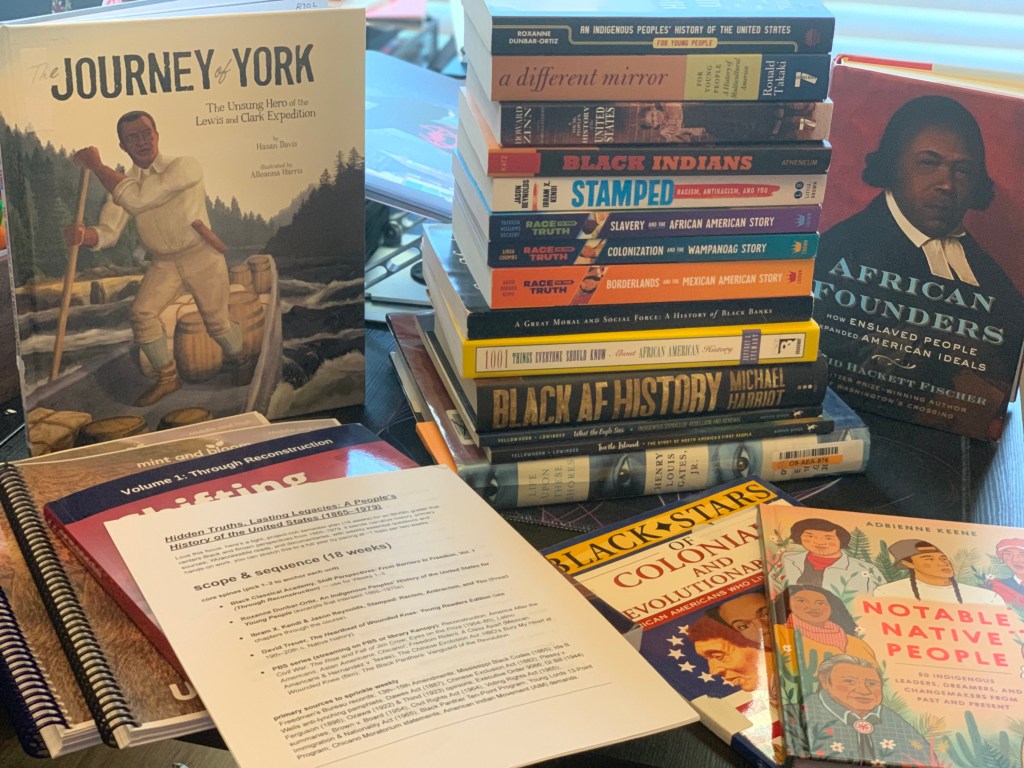
Choosing a history curriculum this year was not an easy task it was a huge struggle. I knew from the start that we didn’t want to spend weeks reviewing early U.S. history. Both my son and I wanted something different: a curriculum that allowed us to dig deeper into Indigenous, African, Hispanic, and Asian history, and to start our study at Reconstruction instead of repeating material we’ve already covered over and over again.

As my son often reminded me, “I know all of this why do we have to spend so much time going back through slavery?” I realized he was feeling the same way I was tired, re-traumatized, and ready to move forward. That’s when I decided it was time to shake things up and seek out resources that honored voices often left out of the mainstream narrative.

Why We Passed on a Traditional Approach

Most history curriculums for middle and high school start with the same framework: early exploration, colonial America, and then a heavy emphasis on slavery and the Revolutionary era. While important, this wasn’t what we needed this year. We wanted to move forward into parts of history that aren’t often highlighted, such as the Black towns that thrived in the late 1800s and 1900s, the rise of Black-owned banks, and the housing struggles that shaped African American communities.

We also wanted to explore the roles Indigenous, Asian, and Hispanic Americans played after the Civil War topics like the Chinese Exclusion Act, the Dawes Act, landmark court cases involving Black and Brown communities, the Chicano Moratorium, the Black Panther Party, and the Young Lords.

Shifting Perspectives: A Standout Choice

One of the first curriculums that caught our attention last year was Shifting Perspectives by Tanya Adkins. This resource instantly resonated with us. It didn’t shy away from hard truths, but instead encouraged students to engage thoughtfully with history.

What I loved most was how it revisited parts of U.S. history that we hadn’t fully covered in depth, filling in gaps while keeping the focus beyond the same repeated storylines. My son was excited about the structure, and we’re already eagerly awaiting the release of Volume 2. For those areas we wanted to revist this year they are on the list and planned out.

For anyone looking to bring in Afrocentric perspectives that go beyond surface-level coverage, this curriculum is a gem. Be sure to check out my full review of it for more details!

Mint & Bloom: Fresh Voices in History

Next, I flipped through Mint and Bloom’s new Middle School/High School History curriculum when it dropped this summer and was impressed by how they flipped the narrative. Their approach intentionally gives voice to the unheard and emphasizes stories that often get overlooked in standard textbooks.

I especially appreciated:

  • Interactivity: Activities that get kids thinking, analyzing, and connecting the past to the present.
  • Representation: Their textbook selections felt intentional and inclusive, bringing in diverse perspectives.

While we won’t be using it as a standalone this year, Mint & Bloom is going to be a strong partner in shaping our history journey, the great part is I already owned about 90% of the books

Oh Freedom High School: Pieces We’re Keeping

We also considered Oh Freedom High School, but ultimately Volume 1 wasn’t a perfect fit for what we were looking for this year. Still, I couldn’t walk away from it entirely. I really liked the journal component and some of the book selections, which we’ll be weaving into our studies.

Sometimes the best curriculum isn’t an all-or-nothing choice it’s about pulling what works for your family and leaving the rest.

Creating Our Own Path

After reviewing these resources, I decided to merge the best parts of each and write our own history plan. This way, we can focus on the topics that matter most to us: the hidden stories, the overlooked communities, and the rich contributions of people who shaped history but rarely get center stage in textbooks.

This blend allows us to honor Reconstruction, dive into critical turning points like the Chicano Moratorium and the Dawes Act, and explore movements like the Black Panther Party and the Young Lords in a way that feels empowering, not exhausting.

Conclusion: Reclaiming Our History

This journey taught me that it’s okay to say no to the traditional script and yes to something that works better for us. History isn’t just about memorizing dates—it’s about understanding whose voices are amplified and whose are silenced.

By blending Shifting Perspectives, Mint & Bloom, and select pieces from Oh Freedom, we’ve built a history curriculum that doesn’t retraumatize, but instead empowers. We’re reclaiming history in a way that brings truth, representation, and healing into our homeschool. The great part is we can take our time we use these histories over the next two years.

For us, history this year isn’t about what’s always been taught it’s about uncovering what’s been hidden.

2nd Grade Curriculum, 3rd Grade Curriculum, Curriculum, Curriculum Resource, Homeschool, homeschool curriculum, homeschool science, S.T.E.A.M, Science

Real Science-4-Kids Book 2: A Full-Circle Homeschool Win

As a homeschool mom, I often reflect on the resources that shaped our early years. One of the very first science programs we used was the Real Science-4-Kids Focus On series, back when my son was in K–2nd grade. He enjoyed it so much, but honestly, I can’t help but wish this new and updated version Real Science-4-Kids Book 2 had been available back then. He would have absolutely thrived with it as a 2nd grader and loved every minute of it.

Now, years later, I’m thrilled to be reviewing this curriculum from the perspective of having used the earlier editions. And let me tell you—this new edition is every bit as engaging and rigorous, with even more structure and vibrant illustrations that make science come alive. Best of all, it’s secular and included in the brand-new Timberdoodle Co. Curriculum Kit 2025–2026 for 2nd grade. For families who value both solid science and ease of teaching, this update is a fantastic addition.

What’s New and Noteworthy in Real Science-4-Kids Book 2

1. Multi-Disciplinary Approach:
This curriculum weaves Chemistry, Biology, and Physics together in one year. Instead of siloing topics, it introduces kids to the interconnectedness of science exactly how real scientists approach the world.

2. Open-and-Go Format:
The clean layout, short readings, and step-by-step lessons make it incredibly user-friendly. I don’t need to spend hours preparing—everything is laid out for both parent and child.

3. Hands-On Experiments that Work:
One of my favorite aspects is that the experiments are doable and meaningful. They don’t require obscure supplies, and they actually reinforce the lesson concepts in a memorable way.

4. Vibrant Visuals & Engaging Content:
The colorful illustrations and clear diagrams make each page appealing. It’s structured enough for serious learning but still fun and approachable for young learners.

Digital Resources Included

Each set comes with digital access to the student book and teacher guide, which is great for flexible learning and printing.

On the Real Science-4-Kids website, you can preview free samples of the curriculum before you commit, and for those who want even more, there’s a Digital Library available at an additional cost. That library includes extended readings, quizzes, experiments, and enrichment opportunities perfect for science-loving kids who want to go further.

Who This Curriculum Is Great For

Families using Timberdoodle Kits who want a rigorous, secular science program.

Young learners ready for an academic challenge it feels about a year ahead of grade level.

  • Students who truly love science and thrive on digging deeper.
  • Homeschool parents who appreciate an open-and-go, structured program.
  • Families who enjoy hands-on learning with vibrant, engaging visuals.

My Honest Opinion

In my opinion, Real Science-4-Kids Book 2 is about a year ahead—and that’s a strength. For kids who love science, this program is a goldmine. It’s structured, user-friendly, and filled with vibrant illustrations that capture attention while keeping the focus on learning.

I can’t help but think how much my son would have loved this curriculum if it had been available during his 2nd grade year. It’s exactly the kind of science program he would have thrived on hands-on, engaging, and deeply satisfying to his curiosity.

Final Thoughts from This Homeschool Mom

As a mom who has used earlier Real Science-4-Kids editions, I can confidently say this updated version is a win. It builds on the strengths of the original series and delivers a more polished, vibrant, and structured experience.

If you’re looking for a secular, rigorous, and joyful science curriculum, you’ll be just as excited as I was to see Real Science-4-Kids Book 2 included in the Timberdoodle Co. Curriculum Kit 2025–2026 for 2nd grade. This is one science program that will both challenge and inspire your young learner—and it’s already a new favorite in our homeschool.

8th Grade, Curriculum, Curriculum Resource, High School, Homeschool, homeschool curriculum, Vocabulary, Vocabulary program for homeschoolers

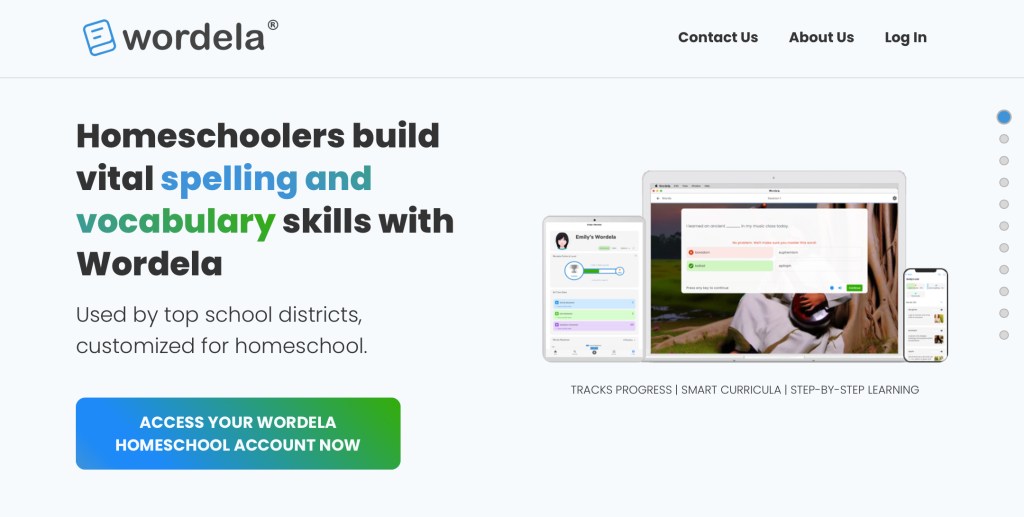
The Vocabulary Game-Changer for Homeschoolers : Wordela Review!

We received access to Wordela for our honest review!

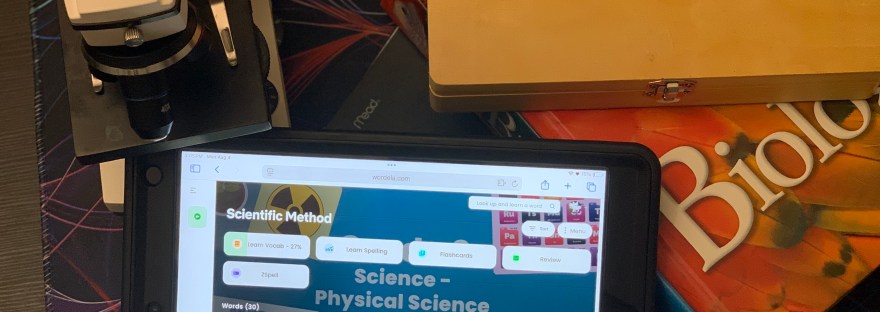
As a long-time homeschool mom, I’ve tested my fair share of educational tools and curriculum add-ons. This year, I was offered the opportunity to take a look at Wordela Homeschool, and it has completely transformed how we approach vocabulary in our homeschool especially in more complex subjects like Honors Biology and SAT prep.

Whether you’re homeschooling one child or many, whether they’re in kindergarten or preparing for college, Wordela Homeschool is a powerful, interactive, and easy-to-use vocabulary platform that meets every learner right where they are. The opportunity to review came to us at the write moment. Spelling is one of those areas that is a little tricky. We have tried many curricula, some worked but other just left us feeling unfulfilled or boring. Wordela has definitely become a game changer these last few weeks.

After trying several spelling curriculum, Wordela has come along and made spelling finally stick! – De-Shaun Little Learner and Mom

What Exactly is Wordela?

Wordela Homeschool is an online vocabulary-building platform designed for students in grades K–12, but with robust features that make it suitable for adult learners as well. It’s more than just flashcards and word definitions. Wordela offers adaptive, standards-aligned learning that’s both comprehensive and flexible.

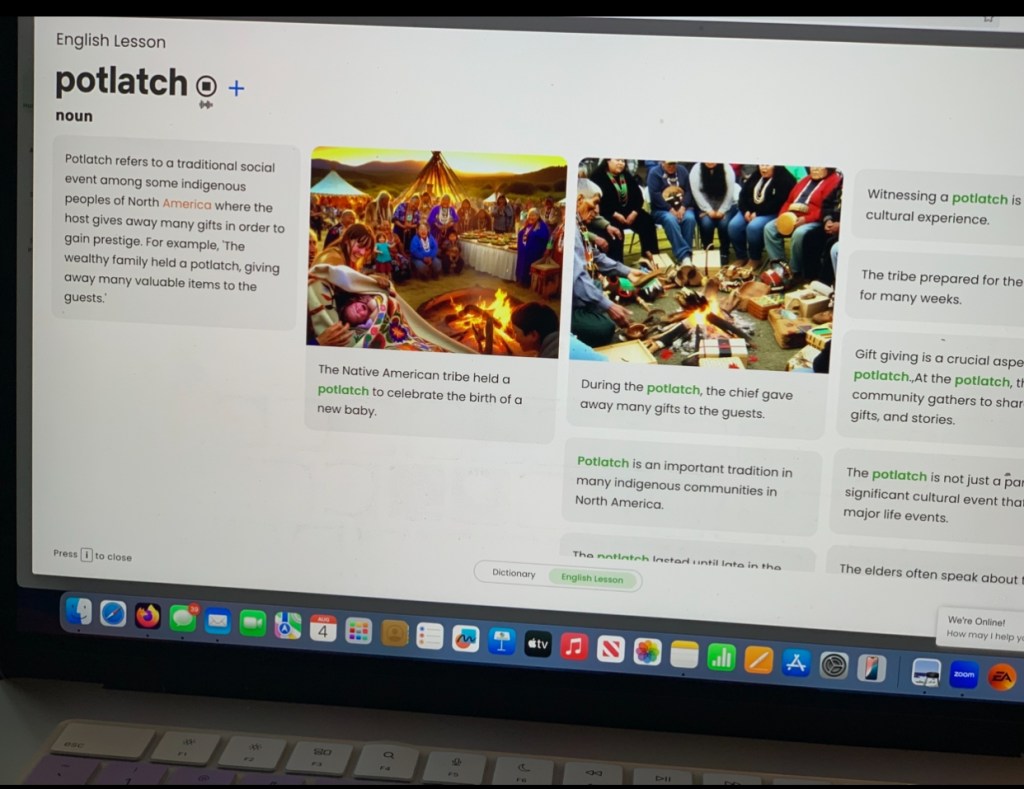
It works by letting parents assign a specific grade level to each student. From there, each grade is broken down into subjects (such as Science, ELA, History, etc.), and within those subjects are topic-based vocabulary lists. For example, if your student is studying Earth Science or U.S. Government, there are vocabulary sets tailored exactly to those lessons.

I like using this better than note cards because it is more interactive and the pictures help me visualize and connect meanings of the words. -Jai age 12

Each word comes with multiple learning options including:

  • Word definition
  • Sentence usage
  • Audio pronunciation
  • Visual cues
  • Spelling practice
  • Word games
  • Quizzes and mastery checks

Students are free to choose how they learn the word (or follow a parent-assigned method), and the program keeps track of progress through levels of mastery making the learning process both self-paced and data-informed.

How We Use Wordela in Our Homeschool

This year, I’m using Wordela Homeschool primarily in two areas: SAT vocabulary review and Honors Biology support for my middle schooler. Honors Biology is incredibly vocabulary heavy. There are so many new terms and concepts to digest and Wordela Homeschool has been an absolute game-changer in making them click. We aren’t goong to stop there because we are also finding it helpful for math and other subjects.

I went through all his core subjects for the year and mapped out every key word or term he’d need. I then matched or created word lists inside Wordela so that before we begin any lesson, he’s already had a chance to interact with and understand the vocabulary in a hands-on way.

Wordela Homeschool gives parents complete visibility and easy control -Wordela

We’ve made Wordela Homeschool the first thing he does at the start of each learning block. It’s become a warm-up routine that gets his brain into gear and gives him confidence moving into more difficult subject matter. Instead of jumping cold into a textbook full of unfamiliar words, he starts with a fun and interactive learning experience that lays the foundation.

Why Wordela Is Working for Us

  • Supports All Learning Styles: Whether your student learns best visually, through repetition, audio, or interactive games, Wordela offers options that appeal to them. My son enjoys moving through the word work at his own pace and in a way that matches his strengths.
  • Multiple Ways to Learn Each Word: In each lesson, students can view definitions, hear pronunciations, use the word in a sentence, practice spelling, and more. This variety keeps things fresh and helps ensure retention, not just recognition.
  • Custom Word Lists: This is one of my favorite features. You can create your own lists—perfect for unit studies, novel vocabulary, spelling practice, or specialized classes. I’m currently building out custom lists for his Law and African Studies classes.
  • Gamified Learning: The entire program is designed with game elements, like points and progress tracking, which keeps kids engaged without it feeling like a chore.
  • Adapted for Homeschoolers: Wordela clearly had homeschoolers in mind when designing the platform. It’s flexible, easy to manage, and works well with any curriculum. Whether you follow a boxed curriculum or create your own eclectic mix, Wordela fits in seamlessly.

Extra Perks of Wordela

  • Parent Dashboard: Easily assign and monitor student progress.
  • Track Mastery Levels: Know which words need review and which have been mastered.
  • Affordable Pricing: For everything it offers—multiple users, grade-level vocabulary, custom lists, and a comprehensive platform—Wordela is very reasonably priced.
  • Standard-Aligned: If you want to stay on track with your state’s standards or plan for testing, this is a huge plus.

Final Thoughts: A Must-Have Vocabulary Tool

Wordela Homeschool has become one of the most impactful additions to our homeschool this year. It’s no longer a struggle to get through vocabulary. My son actually looks forward to it and that says a lot. Whether he’s learning complex biology terms or prepping for the SAT, Wordela Homeschool makes it all feel doable, engaging, and fun.

If you’re a homeschool parent looking for an interactive vocabulary program that supports core academics, personalized learning, and long-term retention, I can’t recommend Wordela enough. It’s one of those tools that quietly does the heavy lifting and makes you wonder how you ever homeschooled without it.

6th Grade, 7th Grade, 8th Grade, Grammar, Homeschool, homeschool curriculum, Middle School, Writing

Wrapping Middle School Writing with IEW Structure and Style 2B and Fix IT Grammar!

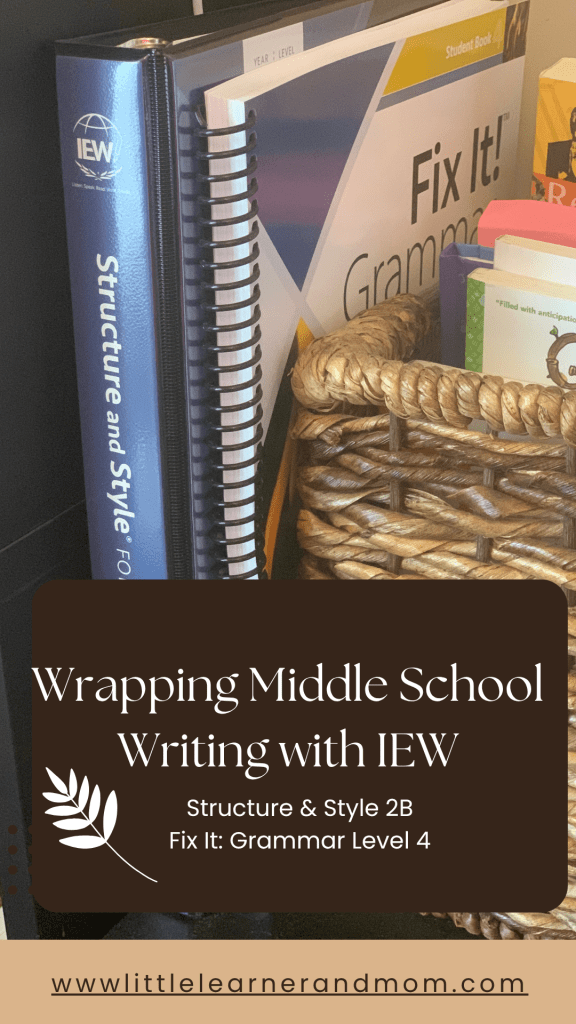
As we prepare for another intentional and purpose-driven homeschool year, I’m excited to share our continued journey with Institute for Excellence in Writing (IEW) a curriculum that has not only worked but transformed our homeschool experience. For the upcoming 2025–2026 school year, we’ve chosen to move into Structure and Style for Students Level 2B while finishing up and solidifying Fix It! Grammar Level 4: Mowgli and Shere Khan this summer. We’ll then transition into Level 5: The Frog Prince in the fall.

But before I dive into our curriculum plans, let me share a proud mama moment:

My son placed 3rd in IEW’s 2025 National Writing Contest (Level B) this past spring!

This was not just a win it was redemption. Just a couple of years ago, my son had no interest in writing. He dreaded putting pen to paper and often asked to skip writing altogether. But through consistency, faith, and the right tools like IEW and the guidance of our wonderful writing support teacher, Write With Mrs. Brown his confidence grew. Now, he’s writing for fun, rewriting the storyboard for one of his favorite video games this summer on his own time. That’s the power of the right curriculum, and IEW has truly been a blessing to our family.

Why We Chose Structure and Style Level 2B

After successfully completing Structure and Style Level 1B this past year, my son was ready for the next challenge. Level 2B is designed for students who have a strong grasp on the foundational IEW units but are ready to write longer compositions with more complexity, creativity, and independence.

What We Love:

  • Clear, structured lessons that guide students step-by-step from brainstorming to polished composition.
  • Continued stylistic practice, such as strong verbs, quality adjectives, sentence openers, and dress-ups.
  • A variety of writing assignments, including narrative, informational, and persuasive essays.

How We Take Notes

One effective strategy that’s worked for us is using Cornell Notes while watching Mr. Pudewa’s videos. It helps my son stay engaged and reflect on what he’s learning. This method encourages independent learning and active listening two things middle schoolers really benefit from.

Bonus:

We’re also adding the new IEW resource, Strengthening Structure: Models for IEW Structural Units to our lineup. This newly released supplement takes a deeper dive into the nine structural models that form the foundation of the IEW writing approach. It offers reinforcement and extension for students ready to elevate their writing, perfect for upper middle schoolers like my son.

Who Should Use Structure and Style Level 2B?

  • 6th–8th graders who have completed 1B or equivalent
  • Students ready to increase writing stamina and creativity
  • Kids who still benefit from a structured approach but want room to stretch
  • Families looking for a full-year program that balances academic rigor and confidence-building

Fix It! Grammar Level 4: Why We’re Repeating It

Fix It! Grammar has been a quiet workhorse in our homeschool. Unlike traditional grammar workbooks, this program builds editing and grammar skills through a daily sentence from a continuing story in this case, Mowgli and Shere Khan. Each sentence builds on the previous one, helping students internalize grammar in context.

Even though we already completed Level 4 during 2023-2024 school year, we’re intentionally repeating it this summer. Why? Because I want to solidify his mastery before we move on to the more advanced and demanding Level 5: The Frog Prince in the fall.

Why We Love It:

  • Just 15 minutes a day simple and sustainable
  • Built-in vocabulary, copy-work, and editing practice
  • Great retention from daily repetition and cumulative learning
  • Story format that keeps kids engaged

Repeating Level 4 has already helped reinforce proper punctuation, complex sentence structures, and the use of clauses. It’s been such a helpful decision not remedial, but enriching!

Who Would Benefit from Fix It! Grammar Level 4?

  • Students who are ready to apply grammar knowledge in context
  • Kids who’ve completed Levels 1–3 or are transitioning from a traditional program
  • Learners who enjoy stories and consistent structure
  • Families who want grammar practice without frustration or busywork

A Long-Term Love for IEW

We’ve been long-time IEW users, and I can truly say it’s one of the most worthwhile investments we’ve made in our homeschool. From Structure and Style for Students to Fix It! Grammar, and now integrating new resources like Strengthening Structure, the IEW suite of materials has helped my son:

  • Go from zero writing confidence to contest-winning compositions
  • Develop a love for writing yes, LOVE!
  • Gain skills that will serve him well in high school and beyond
  • Write, edit, and revise with purpose, direction, and joy

IEW gave us the structure we needed, the consistency I craved, and the results we hoped for. While there are other programs on the market for writing, we felt that IEW style is a better fit for college preparation for writing.

Don’t Miss the IEW Podcast + Extras!

Another gem of being an IEW family? Their podcast! It’s packed with practical, encouraging, and insightful content for homeschool parents and writing teachers. I’ve learned so much about how to better support my writer and build a more enriching homeschool experience through those episodes.

The IEW Community: Sales, Freebies & Support for Parents

IEW doesn’t just hand you a curriculum and disappear they walk with you throughout your homeschool journey:

Highlights Include:

  • Live webinars and workshops throughout the year
  • The annual “12 Days of Christmas Giving”, full of generous freebies and digital goodies
  • Ongoing homeschool encouragement and tips from the team
  • Access to free shipping offers and seasonal discounts

Pro Tip: Don’t miss their July Free Shipping Event it’s the perfect time to stock up on wish list items, upgrade your writing program, or grab extras like Student Resource Notebooks, style posters, and themed writing lessons.

IEW Also Offers Live Online Classes

In addition to streaming options, IEW also offers live, online Structure and Style classes! If your student thrives in a structured, live environment with real-time feedback, this is a great option to consider. These courses follow the same methods and reinforce everything we love about IEW but with the added benefit of accountability and instructor interaction.

Final Thoughts

If you’re a homeschool parent looking for a writing and grammar curriculum that builds skills year after year,Structure and Style for Students Level 2B and Fix It! Grammar Level 4: Mowgli and Shere Khan are excellent choices. They work. They grow with your child. And best of all, they encourage a love of words and a sense of accomplishment.

As a mom who once feared her child would never enjoy writing, I can’t recommend this curriculum enough. Here’s to another incredible year of writing, learning, and growing with IEW!

6th Grade, 7th Grade, 8th Grade, Curriculum, Curriculum Resource, Digital Learning Platform, Education, High School, Homeschool, homeschool curriculum, Math, Middle School, Middle School Math, Online classes, Online Learning, Online Math, Pre-Algebra, S.T.E.A.M, self-paced

Mr. D Gamified Self-Paced Pre-Algebra Course: Empowering Middle Schoolers with Flexible Learning

We received Mr. D Math’s Self-Paced Pre-Algebra for our honest review!

As a homeschooling parent navigating the realm of mathematics education for my middle schooler, I understand the importance of finding a curriculum that not only teaches concepts effectively but also provides support and flexibility. In my quest for the perfect math curriculum Mr. D Math has been #1. We have used Mr. D Math’s course Self-Paced Preparing for Pre-Algebra and Music Production courses. Now we are enjoying Mr. D Math Gamified Pre-Algebra course, and it has exceeded my expectations in numerous way.

Mr. D Math Gamified Pre-Algebra

We’re excited to announce the addition of Mr. D Math Gamified Pre-Algebra. The is a new added addition to the Mr. D Math’s Self-Paced Pre-Algebra. This engaging program brings math to life through interactive, game-based learning that keeps our student motivated and eager to practice new concepts. By incorporating fun challenges and achievement-based rewards, it not only reinforces core pre-algebra skills but also teaches important life skills like goal setting and perseverance. Our student is now able to track progress, earn badges, and stay actively involved in their own learning journey—all while enjoying the process.

The Mr. D Math Gamified Pre-Algebra is structured into 12 comprehensive chapters, each containing up to 9 engaging lessons. The chapters cover a wide range of foundational mathematical topics essential for building a strong understanding of pre-algebra concepts. The chapter topics include:

  1. Introduction to Pre-Algebra
  2. Operations with Integers
  3. Operations with Rational Numbers
  4. Equations and Inequalities
  5. Proportions and Percents
  6. Powers and Roots
  7. Geometry: Angle Relationships and Transformations
  8. Geometry: Triangles and Polygons
  9. Geometry: Circles and Solid Figures
  10. Measurement and Data
  11. Probability and Statistics
  12. Review and Preparation for Algebra

Additionally, the course includes two semester exams, strategically placed to assess students’ understanding and progress throughout the academic year. These exams serve as important milestones, allowing students to review and consolidate their learning while preparing for future mathematical challenges. With its structured approach and comprehensive content, the Mr. D Math Gamified Pre-Algebra course provides a solid foundation for students transitioning into higher levels of mathematics. Students are recommended to work three to four sections a week.

Teaching Strategy

Mr. D Math’s Pre-Algebra course employs innovative teaching strategies that cater to diverse learning styles. Through engaging video lessons, interactive exercises, and real-life applications, students are encouraged to develop problem-solving skills, critical thinking abilities, and a deep understanding of mathematical concepts. This approach not only ensures comprehension but also fosters a genuine appreciation for the subject.

Weekly Live Tutoring

A standout feature of Mr. D Math’s Pre-Algebra course is the option for weekly live tutoring sessions. These sessions provide invaluable support and guidance for students, allowing them to interact with knowledgeable instructors in real-time. Whether students require clarification on a challenging topic or seek additional practice, the live tutoring sessions offer personalized assistance, boosting confidence and academic success.

Live Classes Option

For families who prefer a more structured learning environment, Mr. D Math offers live classes in addition to the self-paced option. This flexibility allows students to participate in scheduled classes and engage in live instruction with their peers. Whether homeschooling or seeking supplementary education, the live classes provide a dynamic learning experience tailored to individual needs.

Printable Written Exercises

As a homeschooling parent, I appreciate the option to print out written exercises and organize them in a binder. This tangible aspect not only reinforces learning but also allows students to track their progress and revisit concepts as needed. With physical copies of the exercises readily available, students can engage in hands-on learning, enhancing retention and understanding.

Self-Grading Quizzes and Tests

Mr. D Math’s Pre-Algebra course includes self-grading quizzes and tests, streamlining the assessment process for students and parents alike. These assessments provide immediate feedback, enabling students to identify areas of strength and areas needing improvement. With the self-grading feature, students can take ownership of their learning journey and track their academic progress with ease.

How We Used

We integrated Mr. D Math’s Self-Paced Pre-Algebra course seamlessly alongside our spine curriculum, utilizing it three days a week with occasional supplementary sessions on Saturdays. Aligning the sections of the Pre-Algebra course with our spine curriculum ensured a cohesive learning experience for my son. Not only did Mr. D Math reinforce concepts covered in our spine curriculum, but it also deepened his understanding and introduced strategies that enriched his mathematical skills.

Moreover, the course occasionally previewed upcoming concepts, providing my son with a valuable head start and fostering confidence as he approached new topics in our spine curriculum. This integrated approach not only enhanced my son’s grasp of mathematical concepts but also instilled in him a deeper appreciation for the subject matter. At the time of this review we are on chapter two section 2.3 -Operations with Integers the plan is to continue working Mr. D Math’s Self-Paced Pre-Algebra course until the mid semester review (end of chapter 6) and picking things back up in the fall.

Additional Course Offerings

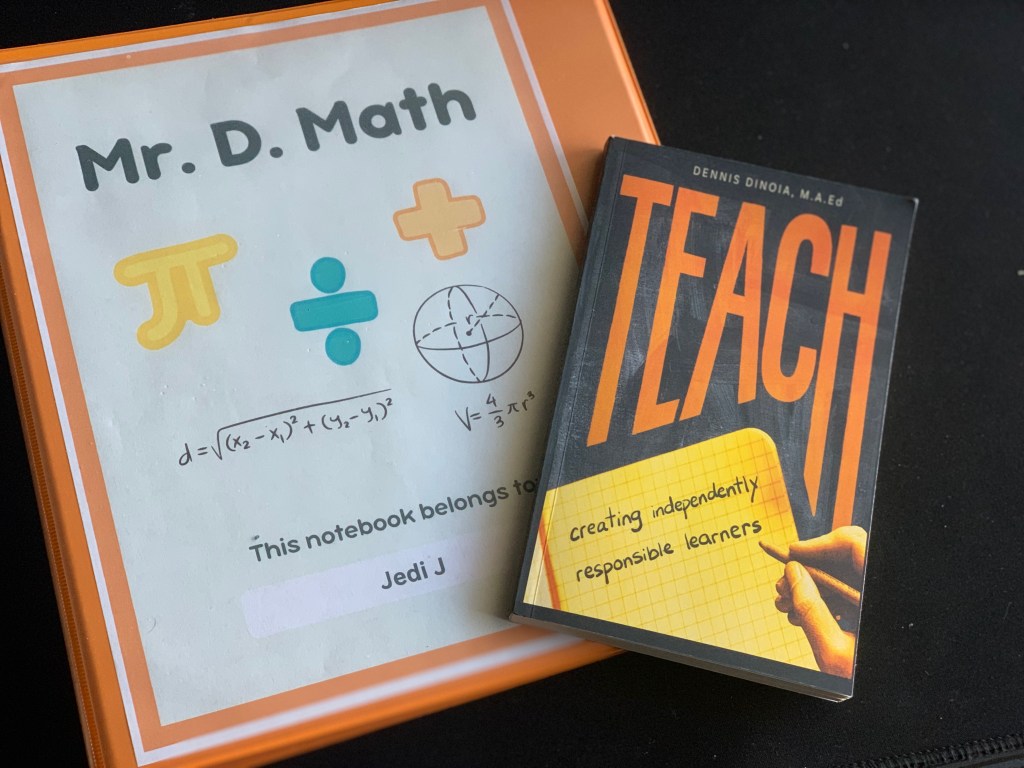
In addition to the Pre-Algebra course, Mr. D Math offers a diverse range of classes covering various grade levels and subjects. From Algebra and Geometry to SAT and ACT Math Prep, there are numerous options available to complement and enrich your child’s educational journey. Whether as a standalone curriculum or a supplement, Mr. D Math provides comprehensive resources for math education. If you have an opportunity I also highly recommend checking out Teach: Creating Independently Responsible Learners by Dennis DiNoia it is recurring read over the summer for me when I am planning our upcoming year.

Mr. D Math’s Self-Paced Pre-Algebra course provides a comprehensive and adaptable learning experience for middle schoolers. With its innovative teaching strategies, live tutoring support, diverse course offerings, printable exercises, and self-grading assessments, this course equips students with the skills and confidence needed to excel in mathematics and beyond.

I highly encourage parents of middle schoolers to explore Mr. D Math’s Self-Paced Pre-Algebra course, especially if they’re seeking a different approach to learning or feel the need to outsource math education. Whether as a standalone curriculum or a supplement, Mr. D Math offers the flexibility, support, and quality instruction necessary for academic success. Additionally, the self-paced nature of the course makes it an excellent choice for students who may need a little extra support, even if they attend traditional schools.

African American History Curriculum, African Studies, African Studies High School, African Studies Middle School, Black History, Critical Thinking and Logic, Curriculum, Curriculum Resource, History, Homeschool, homeschool curriculum, US History

History Curriculum That Speaks to Us: An In-Depth Review of Black Classical Academy’s Shift Perspectives: From Barriers to Freedom Volume 1 Through Reconstruction

We received Shift Perspectives: From Barriers to Freedom Volume 1 Through Reconstruction for our honest review!

As a homeschool mom committed to providing a well-rounded, culturally enriching education, I’m always on the lookout for high-quality, thought-provoking resources. Black Classical Academy’s new curriculum, Shift Perspectives: From Barriers to Freedom Volume 1 Through Reconstruction, has truly impressed me. This comprehensive curriculum includes both a textbook and a student workbook, designed to take middle school and high school students on an engaging journey through critical periods of American history, with a focus on African American experiences and contributions. Grab something hot to drink because this review is going to be a little longer then my traditional reviews!

Overview of the Curriculum

Shift Perspectives is a dynamic, multi-faceted curriculum that covers the history of African Americans from the inception of the transatlantic slave trade through the Reconstruction era. The textbook is rich in content, featuring primary sources, narratives, and critical analyses that bring history to life. The accompanying student workbook is equally robust, filled with activities that promote critical thinking, reflective writing, and collaborative learning.

Key Features

1. Comprehensive Content:

The curriculum delves into historical events with a focus on underrepresented narratives, highlighting the resilience and contributions of African Americans throughout history. It covers significant topics such as the impact of slavery, the fight for freedom, and the challenges of Reconstruction. Each chapter provides detailed accounts that challenge students to think critically about history and its long-term effects on society.

2. Engaging Student Workbook:

The student workbook complements the textbook beautifully, offering a range of activities that reinforce learning. From analyzing primary source documents to creative projects and topics such as “Impact of the Maafa on Capitalism” the workbook encourages students to engage deeply with the material. The reflective questions and essay prompts help students develop their analytical and writing skills.

3. Critical Thinking and Discussion:

One of the standout features of this curriculum is its emphasis on critical thinking and discussion. Each chapter ends with thought-provoking questions designed to inspire meaningful conversations. The curriculum is structured to encourage students to connect historical events to contemporary issues, fostering a deeper understanding of history’s relevance today.

4. Culturally Affirming:

I value resources that present history from diverse perspectives. Shift Perspectives does an excellent job of showcasing African American history not as a sidebar but as an integral part of the American story. It promotes cultural pride and awareness, helping students see themselves reflected in the history they study.

Who Would Benefit from This Curriculum?

Shift Perspectives is ideal for homeschool families, co-ops, and educators seeking to provide a more inclusive, in-depth study of American history. It is particularly beneficial for:

Middle School and High School Students: The content is accessible yet challenging, making it suitable for students from grades 7 and up. It provides a more nuanced understanding of history that goes beyond standard textbooks.

Families Seeking a Culturally Enriching Curriculum: This curriculum is perfect for families who want to teach history through the lens of African American experiences and contributions.

Students Interested in Social Justice and Advocacy: The curriculum’s focus on critical thinking and connecting past events to current social issues makes it a great fit for students passionate about social justice and advocacy.

Co-ops and Study Groups: The discussion-based format and group projects make this curriculum an excellent choice for homeschool co-ops and study groups looking for a structured yet flexible resource.

 A History Curriculum We Can Relate To

When I discovered Black Classical Academy’s latest curriculum, Shift Perspectives: From Barriers to Freedom Volume 1 Through Reconstruction, I knew immediately that it was a must-have for our homeschool journey. My son, who usually approaches new curriculum with a healthy dose of skepticism, couldn’t contain his excitement when he saw it. In fact, I had to hide the textbook and student workbook over the summer to keep him from diving in too soon! He insisted on me spiral binding his workbook because he said needed to be able to really give each activity its attention and respect.

As an Afro-Latino homeschool mom, I am constantly searching for resources that not only educate but also resonate with my family’s heritage and experiences. Shift Perspectives has exceeded my expectations in every way. The curriculum doesn’t just present history; it invites students to engage with the stories and struggles of African Americans from pre-colonial times through Reconstruction. It’s a narrative that is often overlooked or simplified, but Tanya Adkins, the creator, has ensured that it’s told with nuance and respect.

My son was overjoyed to finally have a history curriculum that he could see himself in—one that delves into the complexities and triumphs of our shared history. He’s been eager to explore each lesson, and I can already see how this curriculum is deepening his understanding and appreciation of the past. It’s not just history; it’s his story.

The Care and Detail Make All the Difference

One of the standout features of this curriculum is the meticulous care and detail Tanya Adkins has put into crafting it. Every page reflects a commitment to accuracy, inclusivity, and engagement. From primary source documents to thought-provoking questions and activities, Shift Perspectives encourages students to think critically and empathetically about the events and figures that shaped this era.

As a homeschool mom, I am incredibly grateful for the effort that has gone into making this curriculum accessible and meaningful. It’s clear that this isn’t just another history book—it’s a labor of love designed to empower and educate a new generation of learners.

I wanted to respect Mrs. Adkins hard work and dedication, therefore I decided not to include screenshots of textbook and the workbook. Trust me you won’t be disappointed, head over to Black Classical Academy so you can see for yourself.

Eagerly Awaiting Volume 2!

We’re only a few weeks into using Shift Perspectives, and already, it has become a favorite in our homeschool routine. My son and I are both eagerly anticipating Volume 2. It’s rare to find a history curriculum that not only educates but also resonates on such a personal level, and I am thrilled to have found that with Black Classical Academy.

Thank you, Tanya Adkins, for your dedication to creating a curriculum that is not only educational but also empowering. We can’t wait to continue this journey through history with you! It’s not just a history lesson—it’s an invitation to shift perspectives and understand the past in a way that informs our present and future.