Curriculum, Curriculum Resource, Geography, Homeschool, Interest Led, Online Learning, Teaching Resources

From Baklava to Beyond: How One Sweet Treat Sparked a Journey Through Greece

A few weeks ago, we ventured to our local international market, and if you know my son, you know he’s always ready for an adventure especially when food is involved. As we cruised the aisles picking up international spices, vegetables, and fruit, we made our way to the bakery for a little treat.

That’s where it happened.

One pastry stood out to him, and without hesitation, he picked two baklava treats. That single choice sparked something deeper it ignited his curiosity about Greece, its culture, and its story. As we drove home, I remembered we had been planning to explore Around the World Stories, so we decided Greece would be one of our six countries we were gievn to try out.

What is Around the World Stories?

Around the World Stories is an immersive audio-based learning experience designed to introduce children to different countries through storytelling. The platform is designed for children ages 5-11, but I do see the potential for expansion for middle schoolers. Families can choose between the Explorer 1 ticket a month or the World Traveler annual 12 tickets. Each country includes a set of engaging stories that:

  • Follow a central character on a journey
  • Weave in history, culture, language, and geography
  • Introduce local foods, traditions, and landmarks
  • Use storytelling to make learning feel natural and exciting

Each country typically includes multiple episodes (we listened to four for Greece), allowing learners to build a deeper understanding over time without it feeling overwhelming.

Our Journey Through Greece

Once we unlocked Greece, we dove right in. From the very first story, we were transported. As we listened, we explored:

  • Greek history and daily life
  • New Greek words and phrases
  • Traditional foods (which made our kitchen experiments even more fun!)
  • Cultural traditions and values
  • Landmarks like Mount Olympus
  • Elements of Greek mythology

What I loved most is how the stories didn’t just tell us about Greece they took us there. The main character guided us through each experience, making it feel like we were walking alongside them, solving problems and discovering new things together.

But What About Middle Schoolers?

Now, I know what you’re thinking…“Does this really work for older kids?”

Absolutely!

Even though these stories are accessible for younger learners, they are rich enough for middle schoolers especially when paired with discussion or extension activities.

Here’s why it worked so well for my son:

  • The storytelling format kept him engaged (no dry textbook vibes!)
  • The content was informative without feeling overwhelming
  • It sparked natural curiosity and deeper questions
  • It connected easily to other subjects we’re already studying

In fact, I took it a step further and used the stories as part of a Hero’s Journey lesson breaking down the character’s path, challenges, and growth. It was the perfect real-world application of a literary concept.

Bringing Greece Into Our Home

Learning didn’t stop with listening. We brought Greece into our kitchen by making:

  • Pita bread from scratch
  • Homemade tzatziki sauce
  • Chicken gyros to top it all off

There’s something powerful about connecting learning to hands-on experiences. It turns knowledge into memory.

A Thought for Growth

While Around the World Stories offers wonderful, engaging storytelling experiences, I did notice that there were currently no stories representing the continents of Africa, Australia, or South America. For families like ours who value a rich, globally diverse education, this is an important piece. I would absolutely love to see the platform expand into these regions, bringing forward stories that reflect the depth, beauty, and cultural richness of those continents. Adding these would truly elevate the experience into a more well-rounded, globally inclusive journey for all learners.

Who Is This a Great Fit For?

Around the World Stories is perfect for:

  • Families who love unit studies or interest-led learning
  • Homeschoolers looking to add a global perspective
  • Students who learn best through storytelling and audio
  • Middle schoolers who need engaging, low-pressure enrichment
  • Parents wanting to blend culture, geography, and literacy seamlessly

A Special Gift for Our Community

As a special gift for our followers, you can receive a FREE month of Around the World Stories! This is a wonderful opportunity to explore new countries, cultures, and stories with your learners completely risk-free. If you’ve been curious about adding more global learning into your homeschool, this is the perfect time to try it out.

Final Thoughts

What started as a simple trip to the market turned into a full cultural experience—one that blended food, storytelling, geography, and literature in the most natural way.

That’s the beauty of homeschooling.

Learning doesn’t always start with a lesson plan. Sometimes it starts with baklava… and leads to Mount Olympus, mythology, and meaningful connections across the world. Around the World Stories reminded me that when we follow our children’s curiosity, we don’t just teach them we take them on journeys they’ll never forget and hopefully, as the platform grows, those journeys will continue to expand across every corner of the globe.


Homeschool

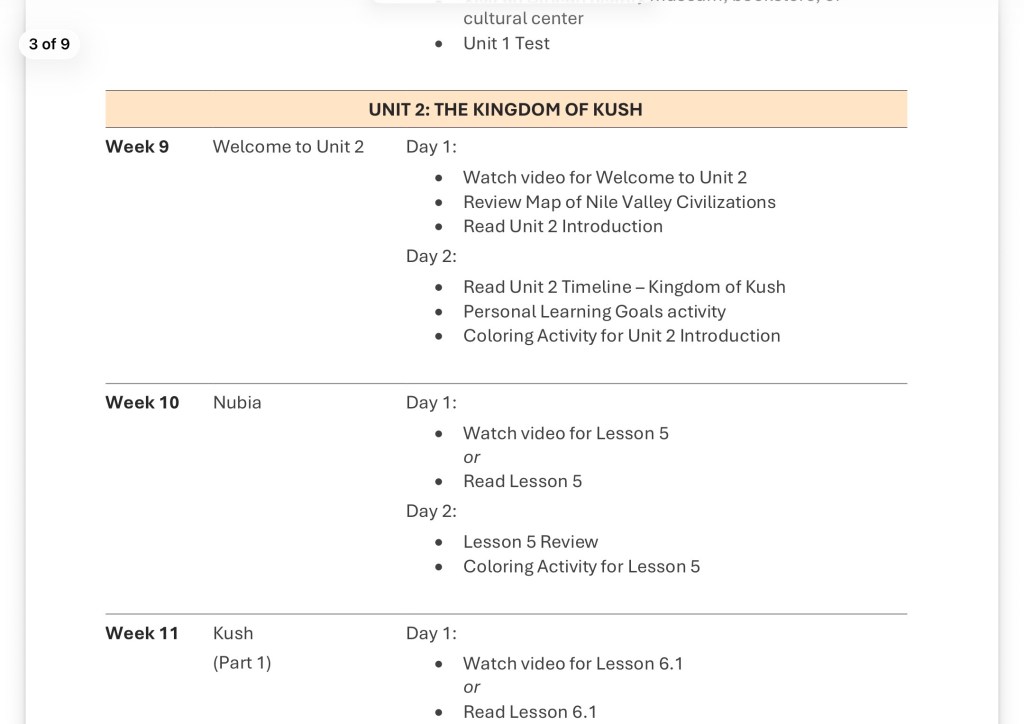
From Curiosity to Courtroom: Our 2026–2027 Elective Journey Begins

This year marks a major milestone in our homeschool journey we are officially stepping into high school electives that will be placed on the transcript. As a college-bound homeschool family, every course selection now carries both purpose and direction, and we are excited to begin shaping a path that reflects our son’s long-term goals.

Why We Chose Forensic Science

Let me first clarify Oak Meadow’s Forensic Science w/Lab is listed on Oak Meadow website as a high school course for science. We are using it as an elective for my son. For the past two years, my son has been deeply immersed in the study of law exploring justice systems, analyzing cases, and developing a strong understanding of legal thinking. So when he came across Oak Meadow’s Forensic Science w/Lab, the decision was immediate. He was all in.

His future goal? Becoming a defense attorney….I know a HUGE change from his original aspirations of cardio-thoracic surgeon.

For him, forensic science is not just an elective it’s a bridge. It connects the scientific side of criminal investigations with the legal strategies used in the courtroom. Understanding how evidence is collected, analyzed, and sometimes challenged is critical for anyone pursuing law, especially in criminal defense. This course gives him the opportunity to begin thinking like both an investigator and an attorney.

Inside Oak Meadow Forensic Science

Oak Meadow has long been a cornerstone in our homeschool, and their Oak Meadow’s Forensic Science w/Lab course is a powerful addition to their high school lineup. This course introduces students to the scientific principles used to solve crimes while also encouraging critical thinking, observation, and analytical reasoning. Students dive into topics such as:

  • Crime scene investigation
  • Evidence collection and analysis
  • Toxicology and DNA
  • Fingerprinting and trace evidence
  • The role of forensic science in the justice system

What I appreciate most is how Oak Meadow blends rigor with accessibility. The course is written in a way that allows students to engage deeply with the material while still maintaining independence and confidence in their learning.

A Natural Fit for Future Law Students

For students who are considering a future in law especially criminal law this course is incredibly valuable. It provides foundational knowledge of how evidence is built and presented, and more importantly, how it can be interpreted or even disputed. For a future defense attorney, understanding forensic science is a strategic advantage. It allows students to:

  • Analyze the reliability of evidence
  • Ask better questions in legal scenarios
  • Understand the strengths and weaknesses of forensic testimony

This is exactly why this course made sense for our homeschool this year it aligns perfectly with both interest and intention.

Flexible for Your Homeschool Rhythm

One of the things we love about Oak Meadow is its flexibility. This course can be adapted to fit your student’s pace and your homeschool schedule.

  • It can be completed as a full-year course (1 credit)
  • Or stretched into a semester-based or extended study (up to 2 years or more) depending on depth and pacing
  • It can even be expanded further with labs, case studies, or legal writing components for honors-level work

This flexibility makes it ideal for families who want to tailor learning without sacrificing academic integrity.

Why Oak Meadow Remains Our #1 Choice

Year after year, Oak Meadow continues to be the spine of our homeschool especially at the high school level. Their courses are thoughtfully designed, academically sound, and adaptable for a wide range of learners. We trust Oak Meadow because:
  • Their curriculum encourages independent thinking
  • It integrates subjects in meaningful ways
  • It supports both college-bound and interest-led learners
  • And it allows us to build a transcript that reflects true learning—not just box-checking

What’s Next?

This is just the beginning of our 2026–2027 high school journey. We are carefully curating each subject with intention, and electives are playing a big role in helping shape that vision.

Stay tuned as we continue to share our full lineup of Oak Meadow high school picks for the upcoming school year!

High School, High School Credit, High School Humanities, History, Homeschool, Homeschool High School, Homeschool Honors, Intergrated Homeschool Curriculum, Literary Analysis

A Rigorous Path Through Time: Mastering High School Humanities with Steadfast History

We recieved Steadfast Humanities & History for our honest review!

For homeschool families searching for a rigorous, faith-centered humanities and history curriculum that doesn’t water down academics, Steadfast Humanities & History stands out as a thoughtful and deeply intentional option. This is not a “light and easy” program it’s one that invites high school students to think critically, engage deeply, and connect history, literature, and worldview through a biblical lens.

A Curriculum That Weaves Faith and Academics Together

At its core, Steadfast Humanities & History is designed to integrate history, literature, philosophy, and writing into one cohesive experience. Rather than treating subjects as isolated silos, this curriculum allows students to explore the human story culture, government, belief systems, and intellectual movements through a faith-based perspective.

What makes this approach powerful is that it doesn’t shy away from complexity. Students are encouraged to ask questions like:

  • What does this historical moment reveal about human nature?
  • How do belief systems shape civilizations?
  • How does a biblical worldview influence our interpretation of events?

This creates a learning environment that is both academically challenging and spiritually grounding.

The 4-Year Journey: A Thoughtful High School Progression

This is a full four-year high school humanities program, making it a strong spine for families who want continuity and depth throughout grades 9–12. Each year builds on the last, developing stronger analytical, writing, and discussion skills. Students can earn 17.5 credits just by using this curriculum and parents will only need to add math, science and foreign language.

Year One: Foundations in Ancient History

The first year focuses on Ancient History, laying the groundwork for everything that follows. Students explore early civilizations, ancient cultures, and foundational worldviews that shaped humanity.

What stands out in Year One is the intentional balance of:

  • Historical study (civilizations, geography, cultural development)
  • Literature connections
  • Writing and reflection
  • Faith integration

Students don’t just memorize timelines they begin to interpret history through cause, effect, and worldview. This is especially valuable for ninth graders transitioning into high school-level thinking.

Academic Rigor That Prepares Students for What’s Next

If you’re looking for something academically light, this isn’t it and that’s a good thing. Steadfast Humanities & History is academically rigorous, requiring students to:

  • Read thoughtfully and often
  • Engage in written responses and analysis
  • Participate in discussion or reflection
  • Make connections across disciplines

This level of rigor makes it an excellent fit for:

  • College-bound students
  • Honors-level homeschoolers
  • Students who enjoy discussion, writing, and big-picture thinking

It’s especially strong for families who want their students to develop a mature voice in writing and reasoning, not just complete worksheets.

Tools That Bring History to Life

One of the standout features is the “History at a Glance” blank timeline. This simple but powerful tool helps students visually map out historical events, reinforcing chronological understanding in a way that sticks. Over time, students build their own timeline, creating a personalized visual record of history that deepens retention and comprehension.

Another engaging resource is the free Ancient History Jeopardy game, which adds a layer of fun and review without sacrificing educational value. It’s a great way to:

  • Reinforce key concepts
  • Review for assessments
  • Break up heavier academic days with interactive learning

These kinds of resources show that while the curriculum is rigorous, it still values engagement and variety.

Who This Curriculum Is Best For

This program shines brightest for families who want more than surface-level learning. It’s a strong fit for:

  • Homeschoolers seeking a faith-based, academically rich humanities program
  • Students who enjoy reading, writing, and discussion
  • Families building a high school transcript with depth and intention
  • Parents who want a curriculum that guides worldview conversations

It may feel challenging for students who struggle with independent reading or writing, but with support, it can still be a growth opportunity.

Final Thoughts: A Curriculum That Builds Thinkers

Steadfast Humanities & History is more than a curriculum it’s a framework for shaping thoughtful, informed, and grounded young adults. By combining rigorous academics with a faith-based perspective, it equips students not just to learn history, but to understand it, question it, and apply it. If your goal is to raise a student who can think deeply, write clearly, and engage the world with both knowledge and conviction, this curriculum is well worth considering.


Curriculum, Denison Math, High School Credit, High School Math, Homeschool, Homeschool High School, Homeschool math

Our Journey Wrapping Up Denison Geometry

This is not a sponsored post!

Let me be honest handing my son that big Geometry book from Denison Math made me nervous. Not him… me. And if I’m really transparent, it had nothing to do with the curriculum and everything to do with my own past. Geometry in high school? Whew… traumatic. So when we started this year, I was already on edge, wondering if history would repeat itself. It didn’t. Not even close.

Watching Confidence Replace Fear

My son picked up that book and just… ran with it.
No hesitation. No overwhelm. No “I don’t get this.”

And here’s the part that truly surprised me:

He never once asked for help. Not a single “B.H.A.G.” (Big Hairy Awesome Geometry) was used this year so far.

At first, I was skeptical. I kept waiting for the moment when things would get hard but instead, he kept nailing the concepts. Test after test. Lesson after lesson. And not just Geometry… Denison Geometry continuously weaves in Algebra 1 concepts, so students aren’t just learning new material they’re retaining and applying previous knowledge daily. That reinforcement showed up in a BIG way in our homeschool.

I Had to Test It for Myself

Y’all know I had to see if this was real. So I pulled out:

  • Kumon Geometry problems
  • Mr. D Math
  • My Big Fat Geometry book
  • His SAT prep materials

And guess what?

Same results.

Same confidence.

Same accuracy.

Then my husband and I tested even further using his SAT prep (Kaplan materials), and again he handled both Geometry and Algebra-based problems with ease. At that point, I knew this wasn’t luck. This was MASTERY!

Why You’re Seeing These Results

Here’s what I believe is happening with Denison Math:
1. It Focuses on Conceptual Understanding (Not Busy Work)
Denison cuts out the fluff. No overwhelming pages of repetitive problems. No excessive explanations that confuse more than clarify. Instead, it gets straight to the heart of the math.

2. Spiral Reinforcement Done Right
By consistently integrating Algebra 1 concepts into Geometry, students build long-term retention instead of learning-and-forgetting.

3. Clear Instruction = Confident Execution
The teaching style is direct, approachable, and effective especially for students who don’t thrive with traditional methods.

4. Application Over Memorization
Because students understand why something works, they can apply it across different types of problems even unfamiliar ones.

That’s why my son could jump into outside resources and still succeed.

Let’s Address the “No Proofs” Concern

One common question:

“But Denison Geometry doesn’t include formal proofs…”

And that’s true.

But here’s how we solved it:

  • We supplemented with Khan Academy (Geometry Proofs unit)
  • Added targeted resources from Teachers Pay Teachers

Problem solved.

This actually gave us the best of both worlds:

  • Strong conceptual foundation from Denison
  • Formal proof practice where needed

The “It’s Remedial” Myth—Let’s Clear That Up

I’ve heard it before:

“Denison Math is below grade level.”

Respectfully… that has not been our experience.

Denison is absolutely grade-level math.

What people often misunderstand is this:

More problems ≠ more rigor

Longer explanations ≠ better understanding

Some students don’t need 40 problems to get it.

Some students don’t need complicated explanations

They just need it taught clearly.

And when that happens?

They can take what they’ve learned and apply it to higher-level, more complex problems which is exactly what we’ve seen.

One of My Favorite Features: Two Versions

This is where Denison really stands out.

They offer:

  • Regular Version → Standard instruction and pacing
  • Success Version → More guided support, additional steps, and scaffolded help

Let me tell you… how many times have we all bought a math curriculum and thought:
“I wish there was a version that better fit my child.” Denison actually gives you that flexibility.

And that’s coming from a real math instructor Mr. Denison, who understands what students actually need in a classroom/homeschool setting.

Does Denison Prepare Students for the SAT/ACT?

Yes!

But just like any curriculum, you still need:

  • Dedicated test prep
  • Practice with test-style questions

My son is working through SAT prep alongside his coursework and he’s handling it confidently with no gaps showing up. That says a lot.

Final Thoughts (And a Word to Parents Like Me)

If you’re a parent who still carries a little math anxiety… I see you.

If you’re worried about handing your child a Geometry book… I understand that too.

But here’s what I’ve learned on this journey:

Denison Math didn’t just teach my son Geometry.

It gave him confidence.
It strengthened his foundation.
It helped him move through high school math with clarity and authority.

And maybe most importantly…
It proved that math doesn’t have to be overwhelming to be effective.

Final Words

Denison Math has been a consistent win in our homeschool not because it overwhelms students with rigor, but because it builds true understanding. When a student can confidently take what they’ve learned and apply it across multiple resources, problem types, and even standardized test prep, that’s not remediation that’s mastery. My son isn’t just completing math; he’s owning it. And as a homeschool parent preparing a college-bound student, that level of confidence and capability is exactly what I was hoping for.

And let’s address one more thing because I’ve heard it said before. Some critics have brushed Denison Math off as just another homeschool “fad.” Respectfully… that couldn’t be further from the truth. Denison Math has been going strong for several years, and the feedback is consistent across the board. Parents, high school students, and even college students continue to speak highly of the program and the solid foundation it provides.

This isn’t a trend. This is a program that works and it’s proving itself year after year.


Art, Homeschool, Homeschool High School, S.T.E.A.M

Simply Draw with Bob Parsons: A Simple, Joy-Filled Approach to Art in Your Homeschool

We received Simply Draw with Bob Parsons for our honest review!

I’ll be the first to admit that one of my weaker areas in our homeschool has been Fine Arts. While my son is well-rounded musically he plays piano and trombone and participates in weekly music theory lessons with his instructors—visual art is where I tend to fall short. The interesting part is, my son actually enjoys drawing from time to time. So I knew I needed something that could support that interest without requiring me to become the art teacher. I was looking for a program that was self-paced, easy to follow, and low-pressure, and Simply Draw with Bob Parsons does just that. Even better, this program is included in the Timberdoodle 7th Grade Curriculum Kit, which made it an easy addition to our homeschool lineup.

Why We Chose Simply Draw

We weren’t looking for a formal, technique-heavy art curriculum. Instead, I wanted something that:

  • Encouraged creativity without pressure
  • Could be done independently
  • Fit naturally into our homeschool rhythm (or even free time)

Simply Draw checked every box.

My son has been using it in his spare time, which says a lot because when kids choose to engage with something on their own, you know it’s working. And honestly, I’ve even jumped on the bandwagon and completed a few lessons with him!

How the Program Works

Here’s what makes it work so well:

  • Video-Based Instruction
    Each lesson is taught through clear, easy-to-follow videos. Bob Parsons breaks drawings down into simple shapes and lines, making it approachable for all skill levels.
  • Step-by-Step Approach
    Students start with basic forms (circles, lines, shapes) and gradually build them into complete drawings. This removes the intimidation factor that often comes with art.
  • Short, Manageable Lessons
    Lessons are not overwhelming. They are just the right length to keep kids engaged without burnout.
  • Encouraging Teaching Style
    Bob Parsons has a calm, supportive tone that makes kids feel like they can draw—even if they’ve struggled before.

What Students Learn

While it feels fun and relaxed, your child is actually building real art skills:

  • Understanding how to break complex images into simple shapes
  • Developing hand-eye coordination and fine motor skills
  • Learning proportion, spacing, and visual balance
  • Building confidence in creative expression

And most importantly they begin to see themselves as artists.

Our Experience

This program has become one of those “quiet wins” in our homeschool. There’s no resistance. No overwhelm. Just a simple invitation to create. My son enjoys picking it up when he wants to draw, and I love that it doesn’t feel like another assignment. It’s enriching without being demanding. And the fact that I can sit down and do a lesson alongside him has made it even more special.

Who Would Benefit Most

Simply Draw with Bob Parsons is a great fit for:

  • Homeschool families looking for a low-pressure art option
  • Students who enjoy drawing but need guidance and structure
  • Beginners who feel intimidated by traditional art programs
  • Middle schoolers who want a creative outlet without heavy instruction
  • Parents who prefer independent, self-paced electives

It’s especially ideal for kids like mine those who enjoy art here and there but don’t necessarily want a full, intensive curriculum.

Final Thoughts

If you’re looking for an art program that blends simplicity, creativity, and flexibility, Simply Draw with Bob Parsons is a wonderful addition to your homeschool. It meets students where they are, builds confidence step-by-step, and keeps art enjoyable—which, in my opinion, is exactly what art education should do. And the fact that it’s included in the Timberdoodle 7th Grade Curriculum Kit makes it an easy, valuable resource for any homeschool family wanting to add meaningful creativity into their day without adding stress.

Computer Technology, Curriculum Resource, Education, High School, High School Credit, Homeschool, Homeschool High School

From Gamer to Creator: How Unity Game Programming Turned My Son’s Passion into Real Skills

We received CompuScholar Unity Game Programming for our honest review!

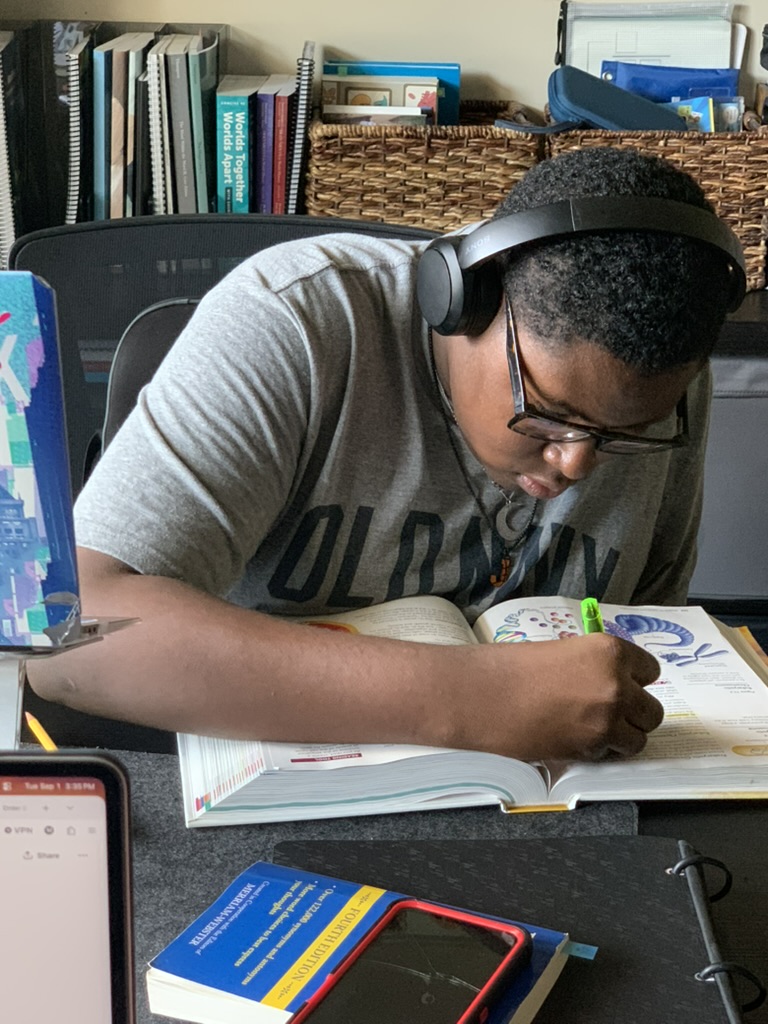
I’m always looking for ways to turn my son’s natural interests into meaningful learning opportunities. One thing about him—he loves video games. But beyond just playing, he started asking deeper questions about how they’re made and what goes on behind the scenes. That curiosity led us to CompuScholar’s Unity Game Programming course, and it has been such a rewarding way to take something he enjoys and transform it into real, skill-based learning. Once he finishes the program I can award him 1 high school credit for his computer science requirement.

About CompuScholar

CompuScholar offers a variety of online computer science and digital literacy courses designed specifically for middle and high school students, including subjects like Python, Java, web design, and game programming. These courses are self-paced, homeschool-friendly, and built to help students develop real-world tech skills while earning credit for their transcripts. What I love most is that their courses are structured like true high school electives but still flexible enough for homeschool families.

Screenshot

Unity Game Programming: A Deep Dive Into Game Design

Unity Game Programming is where things really get exciting especially for students who love gaming.This course uses the Unity game engine to teach students how to design and build their own games while learning C# programming from the ground up. And let me just say this is not a surface-level class. This is a true, in-depth look at game development.

What Students Learn

Students don’t just “play around” with coding they learn:

  • Game engines and how they work
  • C# scripting and coding fundamentals
  • 2D game physics and mechanics
  • Animation, sound effects, and game art
  • Object-oriented programming
  • Debugging and problem-solving
  • Artificial intelligence in games
  • Full game design strategy and development

By the end of the course, students are actually creating their own games walking through the entire development process from idea to final product.

How the Program Works

One of the things I appreciate most as a homeschool parent is how well-structured this program is.

  • Lesson Text + Instructional Videos – Students learn concepts step-by-step
  • Quizzes & Chapter Tests – Automatically graded (huge win!)
  • Hands-On Projects – Every chapter includes coding labs
  • Parent-Friendly Rubrics – Easy grading for project work

The course is designed as a full-year (2 semester) program, typically taking about 3–5 hours per week. It’s self-paced, which makes it perfect for homeschool schedules.

Screenshot

What Makes This Program Stand Out

What really stood out to us is how this course teaches students to think like developers not just follow directions. Students learn how to:

  • Plan a game
  • Build it step-by-step
  • Test and debug it
  • Improve and refine their work

It’s not just coding it’s critical thinking, logic, and creativity all in one.

Perfect for Homeschool Electives

One of my favorite things about this program is that it works beautifully as a:

  • High school computer science credit
  • STEM elective
  • Career exploration course

It’s rigorous enough to count on a transcript while still being engaging and fun. Even better this course is included in the Timberdoodle Co. 12th Grade Curriculum Kit, which makes it an easy addition for families already using Timberdoodle.

Screenshot

Why It Works So Well for Homeschoolers

From a homeschool perspective, this program checks all the boxes:

  • Flexible, self-paced structure
  • Minimal parent prep required
  • Auto-grading for quizzes/tests
  • Clear lesson progression
  • Real-world, applicable skills

It allows students to work independently while still producing meaningful, measurable results which is something we all want as homeschool parents. If you have a student who loves gaming and is constantly asking “how does this work?”, Unity Game Programming is such a powerful way to turn that curiosity into a real skill. For us, it took something my son already loved and transformed it into purposeful learning, creativity, and future career exploration. And honestly that’s what homeschool is all about.

8th Grade, High School, Homeschool, Literature Base, Novel Studies, Planning, reading, Writing

From Intimidating to Inspiring: How Telemachos Guided Classics Are Changing the Way We Read Literature at Home

We received Telemachos Publishing The Great Gatsby, Adventures of Huckleberry Finn, and Frankenstein for our honest review!

If you’ve been homeschooling for any length of time, you already know that classic literature can feel like both a must… and a mountain. This year, as I’ve been deep in planning for our high school journey, I had one of those moments where preparation met opportunity in the best way. We recently received guided editions from Telemachos Publishing The Great Gatsby, Adventures of Huckleberry Finn, and Frankenstein and I have to say, I was genuinely impressed from the moment I flipped through them.

To be honest, classical literature hasn’t been a major focus in our homeschool up to this point. With a child growing up in this generation where there is such a wide variety of rich, culturally relevant, and engaging literature we’ve naturally leaned toward books that align with my son’s personality, interests, and voice. Books that pull him in. Books that make him want to read. And that has served us well. But as we step into the high school years, I know that the traditional classics are part of the journey. They build vocabulary, deepen analysis, and expand perspective in a way that’s hard to replicate. The challenge has always been how to introduce them without losing engagement. That’s exactly where these guided editions shine.

What makes these books different from simply handing your student a classic novel is the built-in support system woven throughout every page. These are not just books they are interactive learning tools. Telemachos has truly created something that bridges the gap between reading and understanding. As students read, they are guided through the text with thoughtfully placed annotations, vocabulary support, literary terms, and comprehension questions. There are footnotes that clarify context and meaning, making older language far less intimidating. Instead of feeling lost in the text, students are actively walking through it with support.


One of my favorite features is how these editions actually teach literary analysis. For so many homeschool parents, that’s the piece that can feel overwhelming how do you teach your child to annotate, analyze themes, recognize literary devices, and think critically about what they’re reading? These books do that work alongside you. There is a QR code built right into the first few pages that link to sample writing prompts and additional support, which is such a thoughtful touch. It brings a modern layer to classic literature and gives students structured ways to respond to what they’re reading. It’s not just “read and move on” it’s read, think, analyze, and articulate.

What truly sets these guided editions apart and something I have not seen in other classical editions is the level of academic depth behind the instruction. The guided reading questions are written by current master educators, and each book includes an introductory essay shaped by an editor with experience grading the AP English exam. That perspective matters. It doesn’t just prepare students to understand the text it maps out a clear, intentional process for developing an interpretive voice and building toward a strong, cogent written argument. That is high-level skill building, and it’s woven right into the reading experience.

And honestly, that matters.

I can clearly remember my own introduction to classics in high school being handed Tess of the d’Urbervilles and feeling completely overwhelmed. I eventually found my rhythm, but not without frustration and a few moments where I questioned whether I even liked reading at all. That experience has always stayed with me, and it’s one of the reasons I’ve been intentional about how I introduce more challenging texts to my son. These guided editions would have changed everything for me back then.

They truly make classical literature more approachable, more engaging, and ultimately more enjoyable. Instead of feeling like a chore, the reading experience becomes something students can grow into with confidence. For our homeschool, we’ll be starting with one of the three this school year and intentionally stretching the others across the next four years. I love the flexibility this gives us allowing time for depth, discussion, and real understanding instead of rushing through just to “check the box.”

As of now, there are about ten titles in their collection, and I already have my eye on A Tale of Two Cities and The Call of the Wild. I’m hopeful they continue expanding their library because this is a resource I can truly see becoming a staple in our homeschool for high school literature. If you are a homeschool parent who has ever felt unsure about teaching literary analysis, or if you’ve hesitated to introduce classics because you didn’t want to lose your child’s love for reading, this is a resource worth looking into. These books meet both the student and the parent exactly where they are.

And right now, you can save 15% off with the code HOMESCHOOL, which makes it the perfect time to try them out as you plan your upcoming school year. Telemachos Guided Editions are truly in a league of their own and for families like ours, they make stepping into the world of classic literature feel not only doable, but exciting.


6th Grade, 7th Grade, 8th Grade, High School, Homeschool, Middle School

Floats McGoats: A Strategic Game That Brings Learning and Laughter Together

We received Floats McGoats for our honest review!

Over the holiday break, my son had an absolute blast playing Floats McGoats, and it quickly became our new family favorite. What started as “just one round” turned into an afternoon of friendly competition, laughter, and surprisingly deep thinking. As a homeschool parent, I’m always looking for games that feel fun first but quietly build important academic and life skills in the background, and this one delivered on every level.

What Floats McGoats Is All About

Floats McGoats is a clever, strategy-based tabletop game where players guide their goats across floating tiles while navigating shifting pathways, unexpected changes, and other players’ moves. The board evolves as the game progresses, which means no two rounds ever feel the same. Each turn requires players to assess the layout, predict possible outcomes, and make decisions that balance risk and reward.

The mechanics are easy to learn, making it approachable for kids, but the strategy is layered enough to keep older children and even adults fully engaged. That combination makes it especially powerful for homeschool families who want a game that grows with their child’s thinking skills rather than becoming “too easy” after a few plays.

Building Critical Thinking, Logic, and Strategic Play

What really stood out to me was how naturally Floats McGoats encourages critical thinking. My son found himself pausing to plan ahead, thinking through how one move might affect the entire board several turns later. The game strengthens logical reasoning as players analyze patterns, anticipate opponents’ strategies, and adjust their own plans in real time.

Strategic gameplay is at the heart of every round. Kids learn to weigh short-term wins against long-term positioning, practice flexible thinking when the board shifts unexpectedly, and develop problem-solving skills as they navigate obstacles. These are the same skills we aim to build through formal logic lessons and project-based learning, but here they happen organically through play.

A Perfect Fit for Older Kids Ages 10+

This game shines for older elementary and middle school students, especially those who enjoy puzzles, strategy, and friendly competition. It’s a great fit for kids who love thinking games like chess, logic challenges, or problem-solving activities, but it’s also wonderful for learners who may not usually gravitate toward academics because the learning feels effortless and fun.

Floats McGoats is also ideal for families, co-ops, and homeschool pods. It encourages communication, turn-taking, and sportsmanship, making it a great social learning tool as well as an academic one.

A Timberdoodle Favorite in Our Homeschool

One of the things I appreciate most is that Floats McGoats is included as part of the Timberdoodle Co. sixth grade kit, which speaks to its educational value and thoughtful design. It fits beautifully into a homeschool day as a logic break, enrichment activity, or even a reward after completing lessons.

This game has earned a permanent spot on our shelf, not just because it’s fun, but because it supports the kind of thoughtful, strategic, and confident learning I want to cultivate in my homeschool. If you’re looking for a game that challenges older kids while keeping them genuinely excited to play, Floats McGoats is a fantastic choice.

Homeschool

Typing Made Calm: How KidzType Supports Neurodivergent Kids

As a homeschool mom who is always looking for tools that truly support diverse learners, I recently explored KidzType, an online typing program designed specifically with kids in mind. My son tested it out with me for this review, and after working through several levels, we both agreed it’s extremely user-friendly, engaging, and structured in a way that can genuinely benefit kids with autism, dyslexia, and other learning differences.

What Is KidzType?

KidzType is a free, web-based typing platform that offers:

  • Colorful, kid-friendly graphics
  • Simple levels that progress gradually
  • Typing drills, games, and practice activities
  • Immediate feedback
  • No overwhelming menus or distractions

There’s no account needed to get started. Kids simply click and begin.

Why KidzType Works So Well for Kids on the Autism Spectrum

After watching my son explore the program, I immediately saw why this could be such a strong fit for autistic students.

1. Predictable Structure

Autistic learners often thrive when routines and expectations remain the same. KidzType uses:

  • Repetitive patterns
  • Consistent layout
  • Clear visuals

This predictability helps reduce anxiety, which can be a barrier in other online learning tools that rely heavily on pop-ups or fast-changing interfaces.

2. Low-Stimulus Design with Just Enough Engagement

KidzType manages a perfect balance:

  • Fun enough to hold attention
  • Calm enough not to overwhelm sensory systems

The activities use soft colors and simple animations instead of loud flashing graphics, which makes it easier for kids to stay focused without sensory overload.

3. Self-Paced Learning = Less Frustration

Many autistic kids become frustrated when they feel rushed or pressured. KidzType allows students to:

  • Repeat lessons as many times as needed
  • Work at their speed
  • Build muscle memory gradually

Because it is self-paced, children can slow down or speed up depending on how they feel that day something that’s incredibly helpful for emotional regulation and reducing frustration.

4. Motor Skills & Hand-Eye Coordination Support

Typing is a life skill, but it also strengthens:

  • Fine motor skills
  • Bilateral coordination
  • Sequencing
  • Sequencing

These are areas where many autistic children benefit from extra practice, and KidzType gives them a structured, pressure-free place to build those skills naturally.

Why KidzType Also Supports Students with Dyslexia

As a homeschool mom, I could see how the program benefits kids with dyslexia as well. Typing often helps dyslexic learners because it:

  • Minimizes letter reversals
  • Supports sound-to-symbol recognition through repetition
  • Builds automaticity with letter placement
  • Helps students who struggle with handwriting fatigue

KidzType’s repetitive drills and keyboard-based practice allow dyslexic learners to focus on accurate key strokes without the additional stress of handwriting.

My Son’s Experience With KidzType

My son tested KidzType with me for this review. He immediately commented on how friendly and simple the layout was. After a few minutes he said:

“I can see how this would help autistic kids. It doesn’t feel stressful, and I can go at my own pace.”

He also pointed out that the games and skill levels were easy to understand and didn’t feel overwhelming. He appreciated the clear instructions and steady rhythm of the lessons something that many neurodivergent kids benefit from.

Final Thoughts

As a homeschool mom who works with many different learning styles including autistic and dyslexic children I was impressed by KidzType simplicity, calm structure, and thoughtful pacing.

KidzType is:

  • Free
  • Accessible
  • Easy to Navigate
  • Gentle on Sensory Needs
  • Excellent for building confidence
  • Supportive of multiple learning differences

If you are a homeschool parent looking for a typing program that won’t frustrate or overwhelm your child, KidzType is absolutely worth trying. It’s a tool I can confidently recommend, especially for families with autistic or dyslexic learners who benefit from structured, predictable, and student-paced online programs.

Digital Learning Platform, Education, Grammar, High School, Homeschool, homeschool curriculum, Middle School, Novel Studies, Online Learning, Unit Study

Beyond the Flame: How Literary Adventures for Kids Helped My Teen Go Deeper Into Fahrenheit 451

When your teen falls in love with dystopian literature, you follow the trail with them. My son recently dove into The Hunger Games, then The Giver, and most recently Fahrenheit 451. But after finishing Bradbury’s classic, he came to me with big, layered questions about censorship, symbolism, society, and why Bradbury wrote the book the way he did. He wanted to dig deeper, not just gloss over the content. I searched for a novel study that could match his curiosity, but everything I found felt rigid, overly academic, or full of busywork. Then I remembered we still had our Literary Adventures for Kids account. To my relief, they offered a Fahrenheit 451 study, and once I opened it, I knew immediately that it was exactly what we needed.

Literary Adventures for Kids (LAK) is an online, self-paced literature platform designed to bring stories alive through exploration, multimedia learning, and intentional Socratic-style questioning. Instead of draining the joy out of reading with endless worksheets, it enhances the experience. The digital layout is clean and easy to navigate, and lessons are structured in a way that encourages deep thinking without overwhelming the student.

What Makes Literary Adventures for Kids Stand Out

LAK avoids the “read-and-regurgitate” approach that turns teens off from literature. Instead, it blends academic depth with interactive, curiosity-driven learning. Students are guided to think critically, question themes, and draw connections between the story and real-world issues.

Some standout features include:

  • Rabbit Trails of Wonder — These guided explorations help students dive deeper into topics related to the novel, such as censorship, propaganda, technology, or Bradbury’s historical context.
  • Socratic-Style Discussion Prompts — Instead of factual recall, LAK offers open-ended questions that push students to analyze, interpret, and evaluate the author’s message.
  • Creative and Multi-Sensory Activities — Journaling, copywork, theme mapping, mini-projects, and multimedia clips enrich the learning experience.
  • Rigor Without Burnout — Lessons feel meaningful and meaty, but never overwhelming or monotonous.
  • A Diverse Catalogue of Books — The platform offers a wide assortment of titles, from classics to contemporary YA, diverse authors, and culturally rich stories.

Inside the Fahrenheit 451 Study

The Fahrenheit 451 study was the perfect blend of analytical, creative, and reflective learning. Each module invited my son to slow down and consider the symbolism that runs throughout the book. The platform included context about book banning, historical events that shaped Bradbury’s writing, and discussions that helped my son articulate his thoughts clearly and confidently.

He especially loved:

  • exploring rabbit trails about censorship and media control
  • watching short, curated videos that expanded his understanding
  • answering Socratic-style prompts that made him think deeply
  • journaling about the ethical dilemmas in the story
  • comparing Bradbury’s warnings to today’s society

This study didn’t talk at him it invited him into a conversation with the text.

A Strong, Diverse Book Catalog

One of my favorite aspects of Literary Adventures for Kids is the variety of books available. Their catalogue includes:

  • classic literature
  • modern young adult novels
  • diverse and multicultural stories
  • high-interest titles teens actually want to read
  • newer releases and timeless favorites

It gives homeschool families the freedom to choose books that align with interests, learning goals, and cultural representation all while maintaining academic richness.

Final Thoughts

Literary Adventures for Kids brought our Fahrenheit 451 experience to life in a way traditional novel studies simply couldn’t. My son thrives on interactive, thoughtful, and well-designed lessons, and LAK delivered all of that with ease. It made him excited to revisit the novel and unpack everything he was curious about. Instead of draining his enthusiasm, LAK amplified it.

If you have a teen who prefers Socratic dialogue, multimedia learning, and meaningful exploration over worksheets, this platform is a gem. It respects how middle and high school students think, question, and understand the world.

If you’re ready to turn novel studies from dry assignments into immersive, curiosity-driven adventures, take a look at Literary Adventures for Kids.

Fahrenheit 451 warns us about what happens when people stop thinking
LAK encourages our students to think deeper, question boldly, and let their love of literature burn bright.