High School Credit, High School Humanities, Homeschool, homeschool curriculum, Homeschool Geography

From Africa to Around the Globe: Why Master Books Geography Impressed Me

We received World Geography & Cultures from Masterbooks for our honest.

Finding a high school geography course that goes beyond memorizing maps and capitals can honestly be difficult. Many high school world geography programs tend to skim over cultures, provide surface-level geography, or fail to help students truly connect how geography impacts history, economics, religion, government, and daily life. After taking a deep dive into World Geography & Cultures from Master Books, I was genuinely impressed by how much depth, intentionality, and flexibility this curriculum offers for homeschool high school families.

This curriculum is far more than a simple geography course. It blends geography, culture studies, worldview discussions, writing, economics, and character development into one comprehensive high school program that can easily become part of a strong transcript-building plan for college-bound students.

One of the biggest things that stood out to me immediately was the structure of the course. The curriculum includes both a student book and a teacher guide, making it incredibly parent-friendly while still maintaining a solid high school level of rigor. The teacher guide lays out easy-to-follow daily lessons, assignments, discussion prompts, and guidance that helps families stay organized without feeling overwhelmed. For busy homeschool parents, this is a huge win.

Where Many High School Geography Programs Fall Short

One issue I often notice with many high school world geography courses is that they focus heavily on physical geography while barely touching the people, traditions, belief systems, or cultural identities connected to those regions. Students memorize locations but never truly understand the heartbeat of the nations they are studying. World Geography & Cultures does not make that mistake.

Instead, Master Books does an excellent job connecting geography to culture, economics, faith traditions, historical development, government structures, and daily life around the world. Students begin seeing how geography shapes civilizations and how cultures adapt based on climate, resources, religion, trade, and regional history.

I was especially impressed with the curriculum’s deep dive into African geography and culture. Too often, African studies are condensed into a few pages or presented through a very narrow lens in traditional programs. I appreciated that this course actually begins with Africa and gives students a more meaningful understanding of the continent’s geography, regions, people groups, resources, traditions, and cultural richness. That alone made this curriculum stand out to me because Africa deserves more than a brief overview in world studies.

The cultural component of this course also makes it an excellent addition to humanities studies. Students are not simply learning “where” places are located they are exploring how people live, think, worship, build communities, and interact globally. That broader worldview approach helps students develop empathy, understanding, and compassion for people from different backgrounds and experiences.

Multi-Credit Potential for High School Students

One of the strongest aspects of this curriculum is its flexibility for transcript planning. Homeschool parents looking to maximize credits while keeping learning connected will appreciate the multiple ways this course can be used. Depending on how deeply families expand assignments and supplemental work, World Geography & Cultures could potentially support credits in:

  • World Geography
  • Cultural Studies
  • Humanities
  • Religious Studies
  • Economics
  • Writing/Composition
  • Social Studies electives

This makes the curriculum especially valuable for homeschool high school students who are building comprehensive transcripts. Families can strengthen the course further through research papers, presentations, current events analysis, journaling, map work, documentaries, cultural cooking projects, literature pairings, or worldview discussions.

For students interested in missions, international relations, law, ministry, political science, global studies, anthropology, or humanities, this course creates a strong foundation for deeper high school learning.

Standout Features of the Curriculum

One of the most impressive aspects of Master Books World Geography & Cultures is how thoughtfully it combines geography, culture, worldview, economics, writing, and character development into one cohesive course. The curriculum includes both a student text and a teacher guide, making it easy for parents to implement while still providing a rigorous high school experience. The daily lesson plans are clearly laid out and simple to follow, removing much of the planning burden from homeschool parents. Students are encouraged to engage with the material through map work, research, writing assignments, and meaningful discussions that help them connect geography to real-world issues and cultures. Another standout feature is its flexibility. Families can complete the course in a traditional school year or stretch it over multiple years to create a richer humanities experience. The curriculum also offers excellent transcript-building potential, allowing families to incorporate elements of geography, cultural studies, writing, economics, and religious studies into their high school plans. Perhaps most importantly, Master Books does an exceptional job of fostering character, compassion, and global awareness, encouraging students to develop empathy and understanding for people and cultures around the world.

Who Would This Curriculum Be a Good Fit For?

I think this course would be an excellent fit for:

  • College-bound homeschool high school students
  • Families wanting a strong humanities approach
  • Students interested in global studies or missions
  • Students who enjoy cultural studies
  • Parents looking for transcript-building flexibility
  • Families wanting a faith-integrated worldview approach
  • Students who thrive with discussion-based learning
  • Homeschoolers seeking deeper world geography studies

It would also work beautifully for co-ops, family-style learning, or independent high school students who enjoy research and exploration.

A Note About the Faith-Based Perspective

One aspect homeschool families should be aware of is that Master Books World Geography & Cultures is written from a Christian worldview. Throughout the course, students will encounter faith-based discussion questions, worldview reflections, and occasional references to Christianity as it relates to various regions and cultures around the world. However, I found that these sections are generally easy to navigate for families from different faith backgrounds or those who prefer a more secular approach. The geography, cultural studies, economics, and humanities content remain the core focus of the curriculum, and the faith-based questions can often be omitted, rephrased, or adapted to align with your family’s own beliefs with very little effort. Personally, I felt that skipping certain questions or modifying them to encourage broader critical thinking did not take away from the overall quality or educational value of the lessons. The curriculum’s strengths in geography, culture, and global understanding remain intact, making it a flexible option for a wide variety of homeschooling families who are willing to make minor adjustments where needed.

Final Thoughts

Overall, I walked away highly impressed with World Geography & Cultures from Master Books. This curriculum goes beyond basic geography and creates an immersive learning experience that helps students connect geography, culture, worldview, economics, and humanity in meaningful ways.

For homeschool high school families looking for a flexible, transcript-friendly course that encourages both academic growth and compassionate global understanding, this curriculum is absolutely worth considering. The combination of strong geography instruction, cultural depth, writing integration, and humanities potential makes it one of the more unique high school geography options currently available for homeschoolers today.


Curriculum Resource, Family, Giveaways, Homeschool, Online Learning

Education.com: Why It Remains My #1 Homeschool Resource After Nearly a Decade

The One Homeschool Resource I Use Every Single Week

Let me be completely honest with you. Over the years, I have reviewed, tested, and used countless educational resources in our homeschool. As a homeschool mom of more than eight years, I have seen curriculum companies come and go, platforms change direction, and educational trends rise and fall. Yet there is one resource that has remained consistently valuable throughout our entire homeschool journey.

Screenshot

Education.com Premium Membership

Without hesitation, Education.com is my number one homeschool resource. Not a week goes by that I don’t use something from their platform. What makes this even more special is that we’ve been members since my son was in kindergarten. As I look back over the years, I realize that not only did my son grow up Education.com Premium Membership grew right alongside him. The platform has continually evolved, expanded its offerings, improved its content, and added new features that keep it relevant from the early elementary years all the way through high school preparation. Now, as my son prepares to enter 9th grade, Premium Membership is still an important part of our homeschool. That says a lot.

Screenshot

More Than Just Worksheets

Many people think Education.com is simply a worksheet website. That couldn’t be further from the truth. Yes, there are thousands of high-quality printable worksheets available, but that is only scratching the surface of what the platform offers. Education.com provides:

  • Printable worksheets
  • Complete lesson plans
  • Guided learning activities
  • Interactive worksheets
  • Educational videos
  • Online games
  • Science projects
  • Social Studies resources
  • Reading activities
  • Writing supports
  • Workbook-style practice pages
  • Assessment tools
  • Worksheet generators

In short, it is an entire learning ecosystem. Whether you need a quick review activity, supplemental practice, enrichment, remediation, or a full week of learning support, Premium Membership has something ready to go.

The Perfect Summer Learning Companion

As my son transitions into high school this year, one of my biggest goals is preventing the dreaded summer slide. We work hard all school year, and I never want those skills to disappear during the summer months. This is where Education.com truly shines. This summer, we have been using their interactive games to keep skills fresh, sharp, and fun. Instead of endless worksheets, students can practice concepts through engaging, grade-level appropriate games that actually feel enjoyable. The best part? Students move through the games much like they move through grade levels during the school year. Learning feels natural and progressive rather than repetitive. There will be no summer slide in our homeschool this year, and I know Education.com is helping make that possible.

The Interactive Learning Features Are Outstanding

One feature that often gets overlooked is the interactive learning component. Parents can assign:

  • Interactive worksheets
  • Digital activities
  • Educational games
  • Skill-based practice

This allows students to actively engage with the material rather than simply filling out a worksheet. For independent learners, this is a huge win. My son enjoys being able to jump into a game, practice a skill, and receive immediate feedback. It creates a much more engaging learning experience.

You Are Never Locked Into One Grade Level

One of my favorite aspects of Education.com is the flexibility it offers families. Unlike many educational subscriptions that restrict users to a single grade level, Education.com provides access to resources across multiple grade levels. This is incredibly important for homeschoolers because children rarely fit neatly into one academic box. A student may be reading several grades above level while needing extra reinforcement in math or grammar. Education.com Premium Membership allows parents to customize learning based on their child’s actual needs rather than an arbitrary grade assignment. This flexibility ensures that students can be challenged where they excel and supported where they need additional practice.


The Worksheet Generator Is a Total Game-Changer

The worksheet generator alone is worth celebrating. As homeschool parents, we often find ourselves creating additional practice activities tailored to our children’s unique needs. Education.com’s worksheet generator makes that process incredibly easy. Even though my son is now a rising ninth grader, I fully intend to continue using this feature throughout high school. Whether I need vocabulary practice, spelling review, writing exercises, or targeted skill reinforcement, I can quickly create customized materials without spending hours designing them myself. The ability to personalize learning while saving valuable planning time makes this one of the platform’s most useful tools.

Science Resources That Bring Learning to Life

One area where Education.com consistently exceeds expectations is science. Their science section is filled with engaging experiments and hands-on activities that help students move beyond simply reading about scientific concepts. The projects are designed to be accessible for families, often using materials that can be found around the house, making them practical and easy to implement. More importantly, these activities encourage curiosity, observation, critical thinking, and scientific inquiry. Students are given opportunities to ask questions, make predictions, and discover answers through exploration. As a homeschool parent, I appreciate resources that make science come alive, and Education.com does an excellent job of turning learning into an experience rather than just a lesson.

Don’t Overlook the Social Studies Section

The social studies section is another hidden gem that deserves far more attention. Many educational websites place heavy emphasis on math and reading while offering very little in the way of history, geography, civics, and cultural studies. Education.com takes a more balanced approach by providing meaningful resources that help students explore the world around them. Through lessons, activities, and worksheets, students can learn about historical events, important figures, geography, government, communities, and diverse cultures. These materials work beautifully as supplements to existing curricula or as stand-alone enrichment activities. As someone who values a well-rounded education, I appreciate that Education.com recognizes the importance of helping students understand both the past and the world they live in today.

Screenshot

The Addition of Evan-Moor Resources Is a Huge Bonus

One of the most exciting developments in recent years has been the addition of select Evan-Moor resources to the Education.com Premium Membership platform. Homeschool parents and classroom teachers alike recognize Evan-Moor as a trusted name in education. Their materials are known for being academically sound, well-organized, and easy to implement. Having access to some of these respected workbook resources through an Education.com membership adds even more value to an already impressive platform. It is encouraging to see Education.com continue expanding its offerings while partnering with publishers that have earned the trust of educators for decades.

Screenshot


Roly Recommendations Make Planning Easy

Another feature that I have come to appreciate is Roly Recommendations. Some weeks I know exactly what skills I want my son to focus on, while other weeks I am looking for fresh ideas and new ways to keep learning interesting. Roly Recommendations helps solve that problem by suggesting activities and learning opportunities tailored to students’ needs. It is a wonderful tool for parents who want variety without spending hours searching through resources. Sometimes the best educational moments come from trying something new, and Roly makes it easy to discover those opportunities.

Boost Is a Lifesaver for Summer Learning

With so many students experiencing learning loss during the summer months, Education.com’s Boost feature has become one of my favorite tools. Boost provides complete weekly learning plans that are thoughtfully assembled and ready to use. Parents can simply print the materials and begin working without spending time searching for resources or creating lesson plans. It takes the guesswork out of summer learning and makes it easy to maintain academic momentum. For busy families who want to prevent the summer slide while still enjoying a relaxed schedule, Boost is an absolute lifesaver. It provides structure, consistency, and meaningful practice in a way that is both manageable for parents and engaging for students.

Screenshot

Final Thoughts

After nearly a decade of membership, countless worksheets printed, hundreds of games played, science experiments completed, and lessons explored, I can confidently say that Education.com Premium Membership remains one of the best investments we have ever made in our homeschool. What began as a resource for my kindergarten-aged son has grown alongside him every step of the way, supporting his learning journey as he now prepares to enter high school. Few educational platforms can truly grow with a child the way Education.com has. It has consistently evolved, expanded its content, and introduced new features that keep it relevant year after year.

What I appreciate most is that Education.com understands that learning is not one-size-fits-all. Whether your child needs extra support, additional enrichment, hands-on science activities, engaging social studies lessons, interactive games, customized worksheets, or simply a fresh way to practice skills, the platform provides it all in one place. It gives parents the flexibility to meet their children where they are academically while providing students with resources that make learning both meaningful and enjoyable.

In a world filled with educational subscriptions competing for your attention, Education.com Premium Membership continues to stand above the rest because of its consistency, quality, and versatility. If someone asked me to recommend just one supplemental homeschool resource, my answer would be immediate and unwavering: Premium Membership It is far more than a worksheet website it is a trusted homeschool partner that has supported our family from kindergarten through high school preparation. Great homeschooling is not about collecting endless resources; it is about finding the right ones. For our family, Education.com has proven time and time again that it is one of the very best.

Special Offer

55% off Premium Membership with code EDCOM55

Art, High School, High School Electives, Homeschool, homeschool curriculum, Intergrated Homeschool Curriculum

Slowing Down and Seeing More: Why We Fell in Love with Beautiful Feet Books Art Appreciation

We received Beautiful Feet Books Art Appreciation for our honest review!

There is something special about slowing down during the spring and summer months. After a busy academic year filled with math lessons, writing assignments, science labs, and history studies, I always look for opportunities to introduce learning that feels rich, meaningful, and inspiring without adding pressure. This year, that opportunity came in the form of the Beautiful Feet Books Art Appreciation curriculum.

One area where I have always felt our homeschool fell a little short was art appreciation. My son plays both the piano and trombone, so music has always had a strong presence in our homeschool. However, we never quite found a solid art appreciation curriculum that allowed us to intentionally study artists, artwork, and the stories behind the masterpieces. Beautiful Feet Books changed that.

We are certainly no strangers to Beautiful Feet Books. When my son was younger, we thoroughly enjoyed their Around the World series. I still remember some of our favorite lessons on Asia and Africa. To this day, The Story About Ping remains one of my son’s favorite books. Over the years, we also worked through their Early American History and History of California programs, both of which left lasting impressions on our homeschool journey. So when it came time to choose an art curriculum, Beautiful Feet Books was already a trusted name in our home.

Starting at Lesson 61

One of the wonderful things about homeschooling is the freedom to customize learning. While most families begin at Lesson 1, we decided to do things a little differently. We started with Lesson 61, featuring Horace Pippin and Elijah Pierce.

Why start there?

At the time, we were deeply immersed in studying World War I and World War II. Horace Pippin’s artwork and personal story connected beautifully to our history studies. As a veteran who served during World War I, Pippin’s paintings provided a unique lens into American history, perseverance, and artistic expression. Elijah Pierce brought another layer of cultural richness to our studies. His wood carvings tell stories of African American life, faith, community, and history. Together, these two artists created the perfect bridge between our history studies and art appreciation lessons. The experience reminded me that art is not a standalone subject. It connects naturally with literature, history, culture, and even personal reflection. We even went down one of the suggested Rabbit Trails and studied about Dave Potter.

How the Curriculum Works

Beautiful Feet Books Art Appreciation is designed as a comprehensive two-year study that introduces students to artists from a wide variety of cultures, backgrounds, and artistic movements. The curriculum is intended for students in grades 5-12 and can easily be completed family style, making it a wonderful option for homeschooling multiple children at once. The program is designed to be completed at a gentle pace of one lesson per week over two years. For high school students, this pacing can translate into a full fine arts credit each year, making it an excellent addition to a high school transcript while still remaining enjoyable and manageable.

One of my favorite features is the thoughtful integration of technology through QR codes. Throughout the guide, students can scan QR codes that connect them directly to artwork, artist resources, virtual galleries, videos, and additional learning opportunities. This feature makes the lessons feel interactive and helps bring the artists and their work to life.

A Typical Lesson

A typical lesson is simple yet incredibly rich. We begin by reading about the artist’s life and historical background. This helps provide context and allows students to understand not only what the artist created but why they created it.

Next, we examine the artwork itself. Students are encouraged to slow down, observe carefully, and think critically about what they see. Rather than simply identifying facts, they learn to ask questions:

  • What emotions does this artwork evoke?
  • What story is being told?
  • What techniques did the artist use?
  • How does the artwork reflect the time period in which it was created?

In our homeschool, many of these conversations turned into meaningful discussions about culture, identity, perseverance, and history.

Homeschool Planet Integration

Another feature we absolutely loved was that the lesson plans are available directly through Homeschool Planet. We took full advantage of this feature. The lessons integrated seamlessly into our schedule, allowing me to easily plan, track, and organize our weekly assignments. Having the lessons already mapped out removed much of the planning burden and made it easy to remain consistent throughout the summer. For busy homeschool parents, this integration is a tremendous benefit.

A Diverse and Meaningful Approach to Art

One aspect that truly stands out is the diversity of artists included throughout the curriculum. Students are introduced to artists from different cultures, ethnicities, countries, and artistic traditions. The result is a well-rounded study that reflects the broad and beautiful story of human creativity. As an Afro-Latina homeschool mom, I deeply appreciate seeing artists like Horace Pippin and Elijah Pierce included alongside more traditionally studied artists. The curriculum creates opportunities for students to see themselves represented while also expanding their understanding of the world around them. The lessons naturally invite rabbit trails into history, geography, literature, religion, social studies, and cultural studies. Those unexpected learning moments often became some of our favorite conversations.

Who Is This Curriculum Best For?

Beautiful Feet Books Art Appreciation is an excellent fit for:

  • Homeschool families looking for a gentle but meaningful fine arts program.
  • Families who enjoy literature-based learning.
  • Students in grades 5-12.
  • High school students needing fine arts credit.
  • Families teaching multiple ages together.
  • Students who enjoy history, culture, and storytelling.
  • Homeschoolers who thrive with discussion and reflection rather than workbook-heavy instruction.

This curriculum is especially valuable for families who want art appreciation to feel connected to the larger story of humanity rather than simply memorizing artists and paintings.

Final Thoughts

Sometimes the subjects we neglect the most become the ones that enrich our homeschool the deepest. Beautiful Feet Books Art Appreciation arrived at exactly the right time for our family. During a season when we intentionally chose a slower pace, it gave us the opportunity to pause, observe, discuss, and appreciate beauty in a way we had not previously prioritized. What began as an attempt to add art studies to our homeschool quickly became something much more meaningful. Through artists like Horace Pippin and Elijah Pierce, we found connections to history, culture, resilience, and personal expression. Through thoughtful discussions, beautiful artwork, and countless rabbit trails, art became more than a subject it became a conversation.

Beautiful Feet books for a limited time is offering free shipping for US orders only using the code: IHN26FAS through the end of July 2026.

Homeschooling gives us the freedom to follow interests, make connections, and learn in ways that traditional classrooms often cannot. Beautiful Feet Books Art Appreciation embraces that philosophy beautifully. It invites students to slow down, look closely, think deeply, and discover the stories hidden within great works of art. For our family, it filled a gap we didn’t even realize was there. And for that reason alone, it has become one of the most meaningful additions to our homeschool journey.

Curriculum, Denison Math, High School Credit, High School Math, Homeschool, Homeschool High School, Homeschool math

Our Journey Wrapping Up Denison Geometry

This is not a sponsored post!

Let me be honest handing my son that big Geometry book from Denison Math made me nervous. Not him… me. And if I’m really transparent, it had nothing to do with the curriculum and everything to do with my own past. Geometry in high school? Whew… traumatic. So when we started this year, I was already on edge, wondering if history would repeat itself. It didn’t. Not even close.

Watching Confidence Replace Fear

My son picked up that book and just… ran with it.
No hesitation. No overwhelm. No “I don’t get this.”

And here’s the part that truly surprised me:

He never once asked for help. Not a single “B.H.A.G.” (Big Hairy Awesome Geometry) was used this year so far.

At first, I was skeptical. I kept waiting for the moment when things would get hard but instead, he kept nailing the concepts. Test after test. Lesson after lesson. And not just Geometry… Denison Geometry continuously weaves in Algebra 1 concepts, so students aren’t just learning new material they’re retaining and applying previous knowledge daily. That reinforcement showed up in a BIG way in our homeschool.

I Had to Test It for Myself

Y’all know I had to see if this was real. So I pulled out:

  • Kumon Geometry problems
  • Mr. D Math
  • My Big Fat Geometry book
  • His SAT prep materials

And guess what?

Same results.

Same confidence.

Same accuracy.

Then my husband and I tested even further using his SAT prep (Kaplan materials), and again he handled both Geometry and Algebra-based problems with ease. At that point, I knew this wasn’t luck. This was MASTERY!

Why You’re Seeing These Results

Here’s what I believe is happening with Denison Math:
1. It Focuses on Conceptual Understanding (Not Busy Work)
Denison cuts out the fluff. No overwhelming pages of repetitive problems. No excessive explanations that confuse more than clarify. Instead, it gets straight to the heart of the math.

2. Spiral Reinforcement Done Right
By consistently integrating Algebra 1 concepts into Geometry, students build long-term retention instead of learning-and-forgetting.

3. Clear Instruction = Confident Execution
The teaching style is direct, approachable, and effective especially for students who don’t thrive with traditional methods.

4. Application Over Memorization
Because students understand why something works, they can apply it across different types of problems even unfamiliar ones.

That’s why my son could jump into outside resources and still succeed.

Let’s Address the “No Proofs” Concern

One common question:

“But Denison Geometry doesn’t include formal proofs…”

And that’s true.

But here’s how we solved it:

  • We supplemented with Khan Academy (Geometry Proofs unit)
  • Added targeted resources from Teachers Pay Teachers

Problem solved.

This actually gave us the best of both worlds:

  • Strong conceptual foundation from Denison
  • Formal proof practice where needed

The “It’s Remedial” Myth—Let’s Clear That Up

I’ve heard it before:

“Denison Math is below grade level.”

Respectfully… that has not been our experience.

Denison is absolutely grade-level math.

What people often misunderstand is this:

More problems ≠ more rigor

Longer explanations ≠ better understanding

Some students don’t need 40 problems to get it.

Some students don’t need complicated explanations

They just need it taught clearly.

And when that happens?

They can take what they’ve learned and apply it to higher-level, more complex problems which is exactly what we’ve seen.

One of My Favorite Features: Two Versions

This is where Denison really stands out.

They offer:

  • Regular Version → Standard instruction and pacing
  • Success Version → More guided support, additional steps, and scaffolded help

Let me tell you… how many times have we all bought a math curriculum and thought:
“I wish there was a version that better fit my child.” Denison actually gives you that flexibility.

And that’s coming from a real math instructor Mr. Denison, who understands what students actually need in a classroom/homeschool setting.

Does Denison Prepare Students for the SAT/ACT?

Yes!

But just like any curriculum, you still need:

  • Dedicated test prep
  • Practice with test-style questions

My son is working through SAT prep alongside his coursework and he’s handling it confidently with no gaps showing up. That says a lot.

Final Thoughts (And a Word to Parents Like Me)

If you’re a parent who still carries a little math anxiety… I see you.

If you’re worried about handing your child a Geometry book… I understand that too.

But here’s what I’ve learned on this journey:

Denison Math didn’t just teach my son Geometry.

It gave him confidence.
It strengthened his foundation.
It helped him move through high school math with clarity and authority.

And maybe most importantly…
It proved that math doesn’t have to be overwhelming to be effective.

Final Words

Denison Math has been a consistent win in our homeschool not because it overwhelms students with rigor, but because it builds true understanding. When a student can confidently take what they’ve learned and apply it across multiple resources, problem types, and even standardized test prep, that’s not remediation that’s mastery. My son isn’t just completing math; he’s owning it. And as a homeschool parent preparing a college-bound student, that level of confidence and capability is exactly what I was hoping for.

And let’s address one more thing because I’ve heard it said before. Some critics have brushed Denison Math off as just another homeschool “fad.” Respectfully… that couldn’t be further from the truth. Denison Math has been going strong for several years, and the feedback is consistent across the board. Parents, high school students, and even college students continue to speak highly of the program and the solid foundation it provides.

This isn’t a trend. This is a program that works and it’s proving itself year after year.


8th Grade, Berean Builders, Friendly Biology, High School, Homeschool Biology, Homeschool High School, Homeschool Honors, Homeschool Honors Science, Oak Meadow, Reviews, Science

Choosing the Right Biology Course: My Top 3 Picks for High School Success

Finding the right high school biology program can be tricky especially when you want something that’s both rigorous and engaging. Whether you’re homeschooling, supplementing a traditional education, or simply seeking the perfect fit for your learner’s style, these three standout programs each bring something unique to the table.

1. Oak Meadow Biology — A Literature-Rich, Honors-Level Course

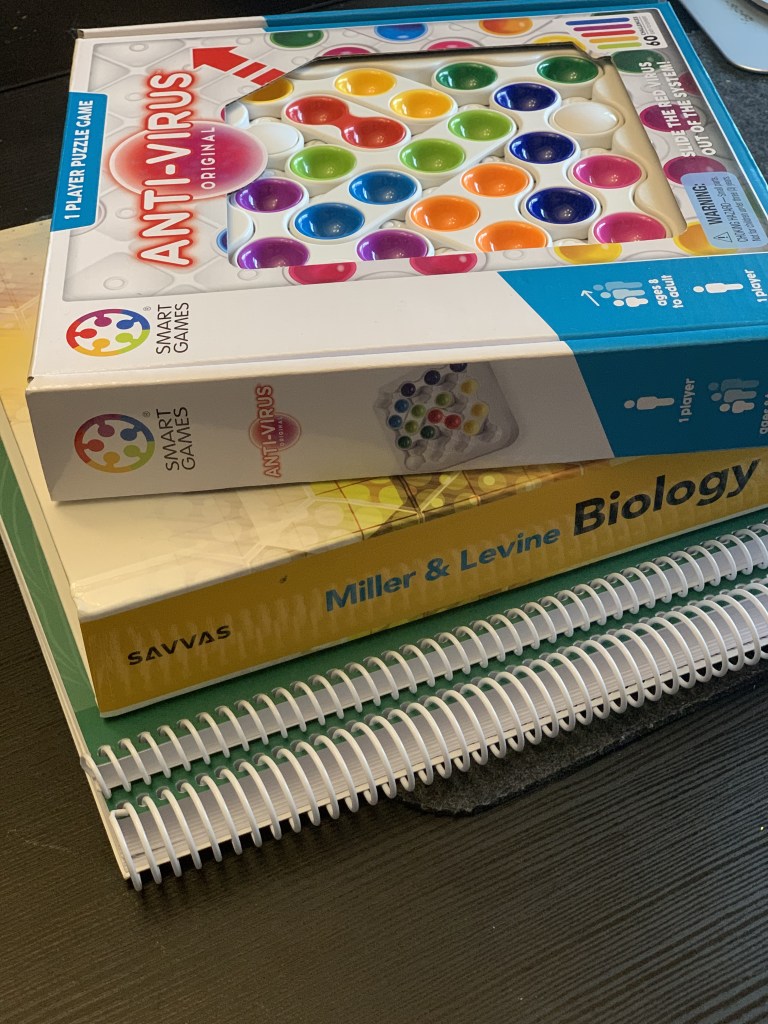
Oak Meadow Biology shines as a flexible and well-rounded curriculum that blends classic science learning with engaging reading and hands-on experiments. This course uses Savvas and the newest Miller and Levine Biology textbook, which are both trusted names in science education. What sets this one apart is its inclusion of literature components, encouraging students to explore biological concepts through stories and critical reading.

  • Best for: Students who enjoy a well-rounded, writing-rich approach to science.
  • Highlights: Includes meaningful lab work, structured yet creative assignments, and the option to customize it into an Honors Biology course for deeper exploration.
  • Why it works: It bridges the gap between textbook science and real-world understanding, making complex topics feel both academic and approachable.

2. Berean Builders Discovering Design with Biology — Tradition Meets Modern Science

Developed by respected scientists with a sound understanding of classical learning, Berean Builders Discovering Design with Biology offers a comprehensive exploration of biology through both a traditional and biotechnology lens. The program emphasizes careful observation, lab investigations, and a genuine understanding of life sciences while weaving in Christian perspectives on creation and the nature of life. The interwoven of the Christian faith is not overwhelming and welcoming to all faiths.

  • Best for: Students from faith-based families who want a strong science foundation that harmonizes with Christian worldview studies.
  • Highlights: True-to-textbook depth, detailed scientific exploration, and optional online classes to expand into Honors-level coursework.
  • Why it works: It connects traditional biology principles with modern biotech insights, helping students appreciate where science and faith can align.

3. Friendly Biology — Self-Paced and Accessible for All Learners

If your student thrives on visual learning and prefers a gentler, more personal pace, Friendly Biology could be the perfect fit. This program is known for its engaging video lessons and clear, simple explanations while maintaining high academic quality. Families can choose between faith-based or secular versions, offering flexibility based on individual beliefs or school requirements.

  • Best for: Students who may feel intimidated by heavy science texts or need a more relaxed, video-supported learning experience.
  • Highlights: Self-paced, video-based learning; adaptable for individual or group study; approachable without sacrificing solid science fundamentals.
  • Why it works: It helps learners build confidence in biology by presenting complex topics through friendly narration and visual reinforcement.

Final Thoughts: Which One Should You Choose?

Each of these Biology programs brings something unique to the table:

At the high school level, Biology is more than just a required science credit it’s an opportunity to shape how your student sees the world, asks questions, and thinks critically about life itself. Whether you choose a literature-rich path like Oak Meadow paired with Miller & Levine, a structured and traditional approach like Berean Builders Discovering Design with Biology, or a flexible, student-led experience like Friendly Biology, the goal is the same: to ignite curiosity, build confidence, and prepare your child for what comes next. The right curriculum doesn’t just teach Biology it empowers your student to engage with science in a meaningful, lasting way.

Computer Technology, Curriculum Resource, Education, High School, High School Credit, Homeschool, Homeschool High School

From Gamer to Creator: How Unity Game Programming Turned My Son’s Passion into Real Skills

We received CompuScholar Unity Game Programming for our honest review!

I’m always looking for ways to turn my son’s natural interests into meaningful learning opportunities. One thing about him—he loves video games. But beyond just playing, he started asking deeper questions about how they’re made and what goes on behind the scenes. That curiosity led us to CompuScholar’s Unity Game Programming course, and it has been such a rewarding way to take something he enjoys and transform it into real, skill-based learning. Once he finishes the program I can award him 1 high school credit for his computer science requirement.

About CompuScholar

CompuScholar offers a variety of online computer science and digital literacy courses designed specifically for middle and high school students, including subjects like Python, Java, web design, and game programming. These courses are self-paced, homeschool-friendly, and built to help students develop real-world tech skills while earning credit for their transcripts. What I love most is that their courses are structured like true high school electives but still flexible enough for homeschool families.

Screenshot

Unity Game Programming: A Deep Dive Into Game Design

Unity Game Programming is where things really get exciting especially for students who love gaming.This course uses the Unity game engine to teach students how to design and build their own games while learning C# programming from the ground up. And let me just say this is not a surface-level class. This is a true, in-depth look at game development.

What Students Learn

Students don’t just “play around” with coding they learn:

  • Game engines and how they work
  • C# scripting and coding fundamentals
  • 2D game physics and mechanics
  • Animation, sound effects, and game art
  • Object-oriented programming
  • Debugging and problem-solving
  • Artificial intelligence in games
  • Full game design strategy and development

By the end of the course, students are actually creating their own games walking through the entire development process from idea to final product.

How the Program Works

One of the things I appreciate most as a homeschool parent is how well-structured this program is.

  • Lesson Text + Instructional Videos – Students learn concepts step-by-step
  • Quizzes & Chapter Tests – Automatically graded (huge win!)
  • Hands-On Projects – Every chapter includes coding labs
  • Parent-Friendly Rubrics – Easy grading for project work

The course is designed as a full-year (2 semester) program, typically taking about 3–5 hours per week. It’s self-paced, which makes it perfect for homeschool schedules.

Screenshot

What Makes This Program Stand Out

What really stood out to us is how this course teaches students to think like developers not just follow directions. Students learn how to:

  • Plan a game
  • Build it step-by-step
  • Test and debug it
  • Improve and refine their work

It’s not just coding it’s critical thinking, logic, and creativity all in one.

Perfect for Homeschool Electives

One of my favorite things about this program is that it works beautifully as a:

  • High school computer science credit
  • STEM elective
  • Career exploration course

It’s rigorous enough to count on a transcript while still being engaging and fun. Even better this course is included in the Timberdoodle Co. 12th Grade Curriculum Kit, which makes it an easy addition for families already using Timberdoodle.

Screenshot

Why It Works So Well for Homeschoolers

From a homeschool perspective, this program checks all the boxes:

  • Flexible, self-paced structure
  • Minimal parent prep required
  • Auto-grading for quizzes/tests
  • Clear lesson progression
  • Real-world, applicable skills

It allows students to work independently while still producing meaningful, measurable results which is something we all want as homeschool parents. If you have a student who loves gaming and is constantly asking “how does this work?”, Unity Game Programming is such a powerful way to turn that curiosity into a real skill. For us, it took something my son already loved and transformed it into purposeful learning, creativity, and future career exploration. And honestly that’s what homeschool is all about.

8th Grade, High School, Homeschool, Literature Base, Novel Studies, Planning, reading, Writing

From Intimidating to Inspiring: How Telemachos Guided Classics Are Changing the Way We Read Literature at Home

We received Telemachos Publishing The Great Gatsby, Adventures of Huckleberry Finn, and Frankenstein for our honest review!

If you’ve been homeschooling for any length of time, you already know that classic literature can feel like both a must… and a mountain. This year, as I’ve been deep in planning for our high school journey, I had one of those moments where preparation met opportunity in the best way. We recently received guided editions from Telemachos Publishing The Great Gatsby, Adventures of Huckleberry Finn, and Frankenstein and I have to say, I was genuinely impressed from the moment I flipped through them.

To be honest, classical literature hasn’t been a major focus in our homeschool up to this point. With a child growing up in this generation where there is such a wide variety of rich, culturally relevant, and engaging literature we’ve naturally leaned toward books that align with my son’s personality, interests, and voice. Books that pull him in. Books that make him want to read. And that has served us well. But as we step into the high school years, I know that the traditional classics are part of the journey. They build vocabulary, deepen analysis, and expand perspective in a way that’s hard to replicate. The challenge has always been how to introduce them without losing engagement. That’s exactly where these guided editions shine.

What makes these books different from simply handing your student a classic novel is the built-in support system woven throughout every page. These are not just books they are interactive learning tools. Telemachos has truly created something that bridges the gap between reading and understanding. As students read, they are guided through the text with thoughtfully placed annotations, vocabulary support, literary terms, and comprehension questions. There are footnotes that clarify context and meaning, making older language far less intimidating. Instead of feeling lost in the text, students are actively walking through it with support.


One of my favorite features is how these editions actually teach literary analysis. For so many homeschool parents, that’s the piece that can feel overwhelming how do you teach your child to annotate, analyze themes, recognize literary devices, and think critically about what they’re reading? These books do that work alongside you. There is a QR code built right into the first few pages that link to sample writing prompts and additional support, which is such a thoughtful touch. It brings a modern layer to classic literature and gives students structured ways to respond to what they’re reading. It’s not just “read and move on” it’s read, think, analyze, and articulate.

What truly sets these guided editions apart and something I have not seen in other classical editions is the level of academic depth behind the instruction. The guided reading questions are written by current master educators, and each book includes an introductory essay shaped by an editor with experience grading the AP English exam. That perspective matters. It doesn’t just prepare students to understand the text it maps out a clear, intentional process for developing an interpretive voice and building toward a strong, cogent written argument. That is high-level skill building, and it’s woven right into the reading experience.

And honestly, that matters.

I can clearly remember my own introduction to classics in high school being handed Tess of the d’Urbervilles and feeling completely overwhelmed. I eventually found my rhythm, but not without frustration and a few moments where I questioned whether I even liked reading at all. That experience has always stayed with me, and it’s one of the reasons I’ve been intentional about how I introduce more challenging texts to my son. These guided editions would have changed everything for me back then.

They truly make classical literature more approachable, more engaging, and ultimately more enjoyable. Instead of feeling like a chore, the reading experience becomes something students can grow into with confidence. For our homeschool, we’ll be starting with one of the three this school year and intentionally stretching the others across the next four years. I love the flexibility this gives us allowing time for depth, discussion, and real understanding instead of rushing through just to “check the box.”

As of now, there are about ten titles in their collection, and I already have my eye on A Tale of Two Cities and The Call of the Wild. I’m hopeful they continue expanding their library because this is a resource I can truly see becoming a staple in our homeschool for high school literature. If you are a homeschool parent who has ever felt unsure about teaching literary analysis, or if you’ve hesitated to introduce classics because you didn’t want to lose your child’s love for reading, this is a resource worth looking into. These books meet both the student and the parent exactly where they are.

And right now, you can save 15% off with the code HOMESCHOOL, which makes it the perfect time to try them out as you plan your upcoming school year. Telemachos Guided Editions are truly in a league of their own and for families like ours, they make stepping into the world of classic literature feel not only doable, but exciting.


High School, Interest Led, Keeping it real, Middle School, Mom Life, Oak Meadow, Planning

“We Tried Other Options… But Oak Meadow Brought Our Homeschool Back Home.”

Homeschooling high school can feel like stepping into unfamiliar territory for many families. The stakes feel higher, the planning becomes more intentional, and the pressure to “get it right” can be overwhelming. This year in our homeschool was certainly eventful, filled with experimentation, reflection, and ultimately a powerful reminder of what works best for our family. From the beginning of our homeschool journey since 5th grade, Oak Meadow has been a steady and comforting presence in our home. Its thoughtful structure, rich literature, and academically rigorous approach have always aligned with how we want learning to feel deep, meaningful, and student-centered.

A Unique Transition Into High School

Like many homeschool families, we don’t follow a perfectly traditional grade structure. We often run a mixed-grade homeschool, allowing learning to progress naturally rather than strictly by grade level. This year, we wrapped up much of our Oak Meadow 8th-grade coursework in early fall, which allowed us to transition into 9th-grade material later in the fall semester. That flexibility is one of the things I value most about Oak Meadow it supports real learning rather than rigid timelines.

Lessons Learned Along the Way

One of the biggest lessons I learned this year came from a mistake. At one point, I thought my homeschooler needed an online biology class to round out his high school experience. Very quickly, it became clear that it wasn’t the right fit for him or for our homeschool rhythm. I corrected that decision and ordered Oak Meadow Biology, and the difference was immediate. He was elated to be back in a learning environment that felt familiar, engaging, and supportive of how he learns best. And honestly, I was too.

The Courses That Shaped Our Year

This year we explored several Oak Meadow high school courses, each bringing something special to our homeschool. Hero’s Journey has been one of our favorites. We paired the course with our own literature selections, including The Hobbit and Children of Blood and Bone. One of the beautiful things about Oak Meadow is how easily the curriculum can be personalized. You are given a strong academic foundation, but there is always room to expand and follow your student’s interests. We loved this course so much that we plan to continue Hero’s Journey through the rest of this school year and finish it in Fall 2026. World Geography also took us on an incredible learning adventure. The course covers both physical and human geography, helping students refine their geographic skills while also understanding how culture, environment, and society interact across the globe. Coincidentally, we began the South America unit right around Super Bowl season, which added an extra layer of excitement to our discussions about the region.

Our Personal Finance course has also been incredibly practical. We started Unit 1 in December, which focuses on consumer skills and banking. One of the things I love most about this book is that it’s divided into five independent units, allowing us to stretch the remaining four units across the next four years of high school. This allows the material to stay relevant as my son grows older and encounters real-world financial decisions. Now we didn’t use the Oak Meadow Algebra 1 course as our spine we did use it as supplemental. The algebra curriculum is wonderful and still gives you the same rigor that you would have expect from Oak Meadow.

Why Oak Meadow Works So Well for Us

As I began officially planning our 9th-grade year, I sat my son down and asked him an important question:

What do you want your high school homeschool to look like?

His answer was immediate and clear. He told me he wanted to stay with Oak Meadow for high school. He even asked that we avoid adding outside curriculum, with the exception of two programs he genuinely enjoys. That moment confirmed something for me: when a curriculum resonates with your child, learning becomes smoother, deeper, and more joyful. For our family, that means we will likely remain an Oak Meadow family until the very end of our homeschool journey.

A Rigorous Curriculum That Can Grow With Your Student

Oak Meadow offers an in-depth, rigorous academic program that is fully capable of supporting college-bound students. What makes it even more powerful is its flexibility. Courses can easily be adapted to meet Honors or AP-level expectations, allowing families to increase academic rigor while still maintaining the curriculum’s holistic approach to learning.

The Biology course, in particular, is a standout. Oak Meadow includes the latest Miller & Levine Biology textbook, paired with access to Savvas learning resources, which adds an excellent digital component. I was also incredibly impressed that the course includes literature connected to the science topics, helping students explore scientific ideas through both analytical and narrative lenses.

Preparing for College — Without Losing Childhood

My son is college bound, and I take that responsibility seriously. I have spoken with multiple college counselors to ensure we are on the right track with course selection, rigor, and transcript planning.

Across the board, I heard the same thing:  Oak Meadow’s high school curriculum is considered top tier.

This year we also introduced SAT test preparation, and next year we plan to integrate it more consistently into our weekly routine. But along the way, I had to learn an important lesson as a homeschool parent.

  1. I had to quiet the outside noise.
  2. I had to stop second-guessing myself.

And I had to stop trying to race to the finish line.

My child is barely thirteen years old. High school should not mean the end of curiosity, creativity, or joy. We still want time for hands-on projects, interest-led learning, volunteering, clubs, and simply being a kid. He has a lifetime to be an adult.

Building a Meaningful High School Experience

While academics matter, our homeschool high school plan includes more than just coursework. We are intentionally building a transcript that reflects:

  • Strong academics
  • Extracurricular activities
  • Passion projects
  • Community service
  • Exploration of his future career interests

Oak Meadow has made this process easier because the curriculum already provides a solid academic backbone. Instead of scrambling to piece together courses, I can focus on helping my son grow into the person he is becoming. For the past two years, I’ve also attended the Oak Meadow College Planning Seminars, taking detailed notes and learning directly from the curriculum team about preparing homeschool students for college admissions. Oak Meadow also provides samples of the curriculum on their website. Oak Meadow website also has helpful planning pages and transcript template. Those seminars alone have given me tremendous confidence in the path we are on.

A Final Word to Fellow Homeschool Moms

If you are approaching the high school years and feeling overwhelmed, unsure, or pressured to piece together a dozen different programs just to “do it right,” I want to encourage you to pause and take a look at Oak Meadow High School. Oak Meadow offers something that is surprisingly rare in high school education today: rigor without burnout, structure without rigidity, and academic depth without sacrificing creativity.

It allows families to build a serious college-preparatory education while still protecting the heart of homeschooling freedom, curiosity, and connection. For our family, Oak Meadow has removed the hardest part of homeschooling high school: the constant worry about whether we are choosing the right path. Instead, it has given us the confidence to move forward, enjoy the journey, and trust that our child is growing  academically without losing the joy of learning along the way. And that, to me, is the greatest success a homeschool curriculum can offer.

6th Grade, 7th Grade, 8th Grade, High School, Homeschool, Middle School

Floats McGoats: A Strategic Game That Brings Learning and Laughter Together

We received Floats McGoats for our honest review!

Over the holiday break, my son had an absolute blast playing Floats McGoats, and it quickly became our new family favorite. What started as “just one round” turned into an afternoon of friendly competition, laughter, and surprisingly deep thinking. As a homeschool parent, I’m always looking for games that feel fun first but quietly build important academic and life skills in the background, and this one delivered on every level.

What Floats McGoats Is All About

Floats McGoats is a clever, strategy-based tabletop game where players guide their goats across floating tiles while navigating shifting pathways, unexpected changes, and other players’ moves. The board evolves as the game progresses, which means no two rounds ever feel the same. Each turn requires players to assess the layout, predict possible outcomes, and make decisions that balance risk and reward.

The mechanics are easy to learn, making it approachable for kids, but the strategy is layered enough to keep older children and even adults fully engaged. That combination makes it especially powerful for homeschool families who want a game that grows with their child’s thinking skills rather than becoming “too easy” after a few plays.

Building Critical Thinking, Logic, and Strategic Play

What really stood out to me was how naturally Floats McGoats encourages critical thinking. My son found himself pausing to plan ahead, thinking through how one move might affect the entire board several turns later. The game strengthens logical reasoning as players analyze patterns, anticipate opponents’ strategies, and adjust their own plans in real time.

Strategic gameplay is at the heart of every round. Kids learn to weigh short-term wins against long-term positioning, practice flexible thinking when the board shifts unexpectedly, and develop problem-solving skills as they navigate obstacles. These are the same skills we aim to build through formal logic lessons and project-based learning, but here they happen organically through play.

A Perfect Fit for Older Kids Ages 10+

This game shines for older elementary and middle school students, especially those who enjoy puzzles, strategy, and friendly competition. It’s a great fit for kids who love thinking games like chess, logic challenges, or problem-solving activities, but it’s also wonderful for learners who may not usually gravitate toward academics because the learning feels effortless and fun.

Floats McGoats is also ideal for families, co-ops, and homeschool pods. It encourages communication, turn-taking, and sportsmanship, making it a great social learning tool as well as an academic one.

A Timberdoodle Favorite in Our Homeschool

One of the things I appreciate most is that Floats McGoats is included as part of the Timberdoodle Co. sixth grade kit, which speaks to its educational value and thoughtful design. It fits beautifully into a homeschool day as a logic break, enrichment activity, or even a reward after completing lessons.

This game has earned a permanent spot on our shelf, not just because it’s fun, but because it supports the kind of thoughtful, strategic, and confident learning I want to cultivate in my homeschool. If you’re looking for a game that challenges older kids while keeping them genuinely excited to play, Floats McGoats is a fantastic choice.

Homeschool

Typing Made Calm: How KidzType Supports Neurodivergent Kids

As a homeschool mom who is always looking for tools that truly support diverse learners, I recently explored KidzType, an online typing program designed specifically with kids in mind. My son tested it out with me for this review, and after working through several levels, we both agreed it’s extremely user-friendly, engaging, and structured in a way that can genuinely benefit kids with autism, dyslexia, and other learning differences.

What Is KidzType?

KidzType is a free, web-based typing platform that offers:

  • Colorful, kid-friendly graphics
  • Simple levels that progress gradually
  • Typing drills, games, and practice activities
  • Immediate feedback
  • No overwhelming menus or distractions

There’s no account needed to get started. Kids simply click and begin.

Why KidzType Works So Well for Kids on the Autism Spectrum

After watching my son explore the program, I immediately saw why this could be such a strong fit for autistic students.

1. Predictable Structure

Autistic learners often thrive when routines and expectations remain the same. KidzType uses:

  • Repetitive patterns
  • Consistent layout
  • Clear visuals

This predictability helps reduce anxiety, which can be a barrier in other online learning tools that rely heavily on pop-ups or fast-changing interfaces.

2. Low-Stimulus Design with Just Enough Engagement

KidzType manages a perfect balance:

  • Fun enough to hold attention
  • Calm enough not to overwhelm sensory systems

The activities use soft colors and simple animations instead of loud flashing graphics, which makes it easier for kids to stay focused without sensory overload.

3. Self-Paced Learning = Less Frustration

Many autistic kids become frustrated when they feel rushed or pressured. KidzType allows students to:

  • Repeat lessons as many times as needed
  • Work at their speed
  • Build muscle memory gradually

Because it is self-paced, children can slow down or speed up depending on how they feel that day something that’s incredibly helpful for emotional regulation and reducing frustration.

4. Motor Skills & Hand-Eye Coordination Support

Typing is a life skill, but it also strengthens:

  • Fine motor skills
  • Bilateral coordination
  • Sequencing
  • Sequencing

These are areas where many autistic children benefit from extra practice, and KidzType gives them a structured, pressure-free place to build those skills naturally.

Why KidzType Also Supports Students with Dyslexia

As a homeschool mom, I could see how the program benefits kids with dyslexia as well. Typing often helps dyslexic learners because it:

  • Minimizes letter reversals
  • Supports sound-to-symbol recognition through repetition
  • Builds automaticity with letter placement
  • Helps students who struggle with handwriting fatigue

KidzType’s repetitive drills and keyboard-based practice allow dyslexic learners to focus on accurate key strokes without the additional stress of handwriting.

My Son’s Experience With KidzType

My son tested KidzType with me for this review. He immediately commented on how friendly and simple the layout was. After a few minutes he said:

“I can see how this would help autistic kids. It doesn’t feel stressful, and I can go at my own pace.”

He also pointed out that the games and skill levels were easy to understand and didn’t feel overwhelming. He appreciated the clear instructions and steady rhythm of the lessons something that many neurodivergent kids benefit from.

Final Thoughts

As a homeschool mom who works with many different learning styles including autistic and dyslexic children I was impressed by KidzType simplicity, calm structure, and thoughtful pacing.

KidzType is:

  • Free
  • Accessible
  • Easy to Navigate
  • Gentle on Sensory Needs
  • Excellent for building confidence
  • Supportive of multiple learning differences

If you are a homeschool parent looking for a typing program that won’t frustrate or overwhelm your child, KidzType is absolutely worth trying. It’s a tool I can confidently recommend, especially for families with autistic or dyslexic learners who benefit from structured, predictable, and student-paced online programs.