Curriculum, Curriculum Resource, Homeschool, homeschool curriculum, Science

A Non-Religious Science That Delivers: Our Take on Real Science Kids Level 4

We recieved a copy of Real Science Kids Level 4 for our honest review!

We’ve finished our hands-on walkthrough of Real Science Kids Level 4 (newest release) and this is our final, comprehensive review of the series. If you’ve been following our earlier write-ups of Levels 2–3, this review ties everything together, compares how Level 4 builds on those earlier levels, and explains why this level is especially suited to some 4th graders and not to others.

Overview what Level 4 is at a glance

Real Science Kids Level 4 steps up both the depth and pace of science instruction compared with the early levels. It keeps the series’ hallmark hands-on experiments and approachable explanations, but it accelerates the curriculum: lessons move faster, explanations are denser, and activities expect stronger reading comprehension and independent thinking from students. For a motivated 4th grader who already enjoys science, Level 4 can feel exciting and rewarding. For a student who needs slower pacing or heavy remediation, you’ll want to plan extra time or pair it with more guided instruction.

Topics covered

Level 4 blends life, physical, and earth science in more sophisticated ways. Expect units that include (but are not limited to):

  • Life Science: ecosystems, plant and animal adaptations, food webs, basic genetics concepts
  • Physical Science: matter & its properties, simple chemistry experiments, forces and motion basics
  • Earth & Space: rock cycle, weather patterns, solar system fundamentals
  • Scientific Skills: hypothesis development, controlled experiments, measurement, graphing, data interpretation
  • Practical/Enrichment: lab journals, extension projects, STEM challenges and mini-research tasks.

Why it’s a great fit for many 4th graders

  • Accelerated, rigorous pacing: Level 4 assumes students can read instructions carefully, follow multi-step experiments, and synthesize results into conclusions. That makes it ideal for curious, independent learners who are ready to think like junior scientists.
  • Hands-on emphasis: The experiments and projects are engaging and meaningful they’re not just demonstrations, they ask students to predict, measure, record, and reflect.

Limitations / who should be cautious

Not for every 4th grader out of the box: Because the curriculum is accelerated, students with weaker reading comprehension or poor attention to multi-step instructions will struggle without extra support.

Requires parental/teacher involvement for some students: To get full value, some learners will need guided read-alouds, demonstration of techniques, or pre-teaching of vocabulary.

Pacing expectations: If you use Level 4 as a straight replacement for a slower paced Level 3, be ready to adjust schedule or split some lessons.

How Level 4 compares to our earlier Level 2–3 reviews

When we reviewed Levels 2–3, the series felt very gentle: short lessons, lots of picture support, and very guided, parent-led experiments perfect for early elementary learners. Level 4 clearly intends to bridge to middle-school science thinking: it asks students to do science, not merely observe it. If you used Levels 2–3 in your homeschool, Level 4 will feel like a natural but definite step up. Expect to revisit how you scaffold reading and experiment setup: what worked with Level 3 (read-aloud instructions, step-by-step adult demos) may need to become a bit more student-centered with Level 4.

Teaching tips & pacing suggestions

  • Pre-teach vocabulary: Spend a short pre-lesson on key terms — this pays off on experiment day.
  • Model one experiment first: Demonstrate an experiment as a whole-class (or parent-led) demo, then let students replicate with guidance.
  • Use the lab journal: Require students to write predictions, methods, results, and a short conclusion for every experiment — it enforces scientific thinking.
  • Adjust pacing: If a student struggles, split lessons into two sessions: one for concept + vocabulary, one for experiment + reflection.
  • Pair reading support when needed: For readers below grade level, read directions together or provide a simplified checklist.

Final verdict — who should choose Level 4

Choose Real Science Kids Level 4 if your 4th grader:

  • Already shows curiosity about science, asks “why” questions, and enjoys experiments.
  • Has solid reading comprehension and can follow multi-step directions (or you’re willing to provide a small amount of guided support).
  • Wants a curriculum that accelerates concept development and builds real scientific thinking skills.

If your child needs a gentler introduction to experiments and vocabulary, consider re-reading our earlier reviews of Levels 2–3 and using those as the transition years before moving into Level 4.

Closing notes — our series wrap-up

This is our final review of the Real Science Kids series. We’ve walked Levels 2–4 in previous posts and can confirm the series does continue beyond Level 4 (there is a Level 5–7 tier available for older students). Across the series, Real Science Kids grows from guided, playful experiments into a rigorous, inquiry-focused program and Level 4 is where that transformation becomes most noticeable. If your goal is to accelerate a curious 4th grader toward middle-school science habits, Level 4 is an excellent, thoughtfully designed choice just plan for comprehension support if needed. Real Science Kids Level 4 is a part of the 4th grade Timberdoodle Co Curriculum Kit.

3rd Grade Curriculum, 4th Grade, Homeschool, homeschool science, Science

Curious Minds Welcome: Our Honest Review of Real Science-4-Kids Book 3

We received Real Science-4-Kids (RS4K) Book 3 for our honest review from Timberdoodle Co.

If you want a science curriculum that treats elementary-aged learners like real thinkers not just workbook checkboxes Real Science-4-Kids (RS4K) Book 3 is one of those rare finds. It hits a sweet spot between hands-on exploration and gentle academic rigor that makes it perfect for both budding scientists who can’t get enough and serious students who need a clear, organized path through foundational concepts.

Quick verdict

Practical, inquiry-friendly, and teacher-friendly. RS4K Book 3 builds scientific habits (observing, measuring, explaining) while covering a broad suite of topics at a depth that’s just right for grades 3–4. If you want kids doing real experiments, writing simple lab notes, and connecting concepts to everyday life this is a great pick.

Who this is best for

  • Homeschool families who want a science-first approach with hands-on labs.
  • Students in grades 3–4 who are ready for explanations (not just facts) and can follow short experiments with supervision.
  • Parents/teachers who prefer teacher-led instruction with scripted explanations plus room to extend or simplify.
  • Students who enjoy building models, measuring, and drawing conclusions — excellent for kids who might pursue more advanced science later.

It’s also friendly for mixed-age siblings: older kids can read the deeper notes, younger ones can do simpler observation tasks.

What’s inside (deep dive, without the fluff)

RS4K Book 3 is organized to introduce robust scientific ideas in small, manageable chunks. Typical elements you’ll find in each unit or lesson:

  • Clear learning objectives — what the student should know/do by the end.
  • Short reading passages explaining a concept in kid-friendly language.
  • Step-by-step experiments using inexpensive, household supplies. Many activities encourage measurement, comparison, and recording results.
  • Discussion questions to build reasoning and vocabulary.
  • Teacher notes — background info, common student misconceptions, and safety tips.
  • Simple assessment ideas — short quizzes, oral review prompts, or notebook
  • checks.

Typical topics covered

While the exact table of contents varies by edition, Book 3 generally covers core elementary science areas such as:

  • Scientific method & experimental design — forming hypotheses, variables, recording data.
  • Matter & properties — solids, liquids, gases, density, mixtures.
  • Energy basics — heat, light, sound, simple electrical concepts.
  • Forces & motion — pushes, pulls, friction, simple machines.
  • Earth & space foundations — rocks/minerals, weather basics, moon phases, sunlight/season concepts.
  • Introduction to life science — plant/animal basics and ecosystems at an introductory level.

Why it’s a game changer

Hands-on learning is central — experiments aren’t an add-on; they’re built into every lesson. Kids learn by doing, which builds understanding and retention.

Scientist mindset — it doesn’t just dump facts; it teaches how to ask questions, design simple tests, record observations, and draw conclusions. That’s skills training, not memorization.

Straightforward teacher support — if you aren’t a science expert, the teacher notes and scripted explanations make lessons easy to teach while still sounding authentic.

Flexible pacing — one lesson can be a 30–45 minute block or stretched across multiple days for deeper exploration or notebook work. Great for mixed schedules.

Builds confidence for advanced science — students practicing measurement, controlled testing, and lab notes in 3rd/4th grade transition more smoothly into middle school science.

Who it might not be best for

Families who want only textbook-style worksheets and zero hands-on work. RS4K expects experiment time.

Parents looking for unit studies tied heavily to literature, art, or history RS4K is science-first and focused on scientific skills and concepts.

Very independent early readers who want to self-teach without any parental/teacher guidance Book 3 still benefits from a teacher to scaffold experiments and questions.

Practical classroom/homeschool tips

Buy the kit or gather supplies ahead — most experiments use cheap household items, but having a supply box (magnifying glass, thermometer, simple multimeter if you want electrical experiments, ruler, balances) saves time.

Science notebook — require students to write a hypothesis, record procedure, draw/data, and write a conclusion. This trains scientific writing early.

Adapt for mixed ages — give older kids the explanation and data analysis; younger ones can do the observations/drawings.

Extend curious students — add a research mini-project or extra experiments (e.g., more trials, different variables) for kids who want depth.

Safety first — teacher notes usually flag hazards; supervise heat, chemicals, and tools.

Final pros & cons (fast list)

Pros:

  • Strong emphasis on experiments and scientific thinking.
  • Clear teacher supports and explanations.
  • Flexible and engaging — great for curious kids.
  • Prepares students for middle school science habits.

Cons:

  • Requires parental/teacher involvement for labs.
  • Not a literature-integrated unit study (it’s focused science).
  • Some families prefer more colorful, activity-packed books — RS4K is practical and content-dense rather than flashy.

Closing recommendation

If you’re a homeschool mom who wants your 3rd–4th grader to think like a scientist to make observations, test ideas, and write about findings Real Science-4-Kids Book 3 will pay dividends. It’s the curriculum that gently raises expectations: students get real experiments, useful vocabulary, and the confidence to ask better questions. For serious and budding science students, it’s not just another workbook it’s the beginning of a scientific habit of mind. Real Science-4-Kids Book 3 is a part of the 3rd Grade Timberdoodle Co Curriculum Kit.

2nd Grade Curriculum, 3rd Grade Curriculum, Curriculum, Curriculum Resource, Homeschool, homeschool curriculum, homeschool science, S.T.E.A.M, Science

Real Science-4-Kids Book 2: A Full-Circle Homeschool Win

As a homeschool mom, I often reflect on the resources that shaped our early years. One of the very first science programs we used was the Real Science-4-Kids Focus On series, back when my son was in K–2nd grade. He enjoyed it so much, but honestly, I can’t help but wish this new and updated version Real Science-4-Kids Book 2 had been available back then. He would have absolutely thrived with it as a 2nd grader and loved every minute of it.

Now, years later, I’m thrilled to be reviewing this curriculum from the perspective of having used the earlier editions. And let me tell you—this new edition is every bit as engaging and rigorous, with even more structure and vibrant illustrations that make science come alive. Best of all, it’s secular and included in the brand-new Timberdoodle Co. Curriculum Kit 2025–2026 for 2nd grade. For families who value both solid science and ease of teaching, this update is a fantastic addition.

What’s New and Noteworthy in Real Science-4-Kids Book 2

1. Multi-Disciplinary Approach:
This curriculum weaves Chemistry, Biology, and Physics together in one year. Instead of siloing topics, it introduces kids to the interconnectedness of science exactly how real scientists approach the world.

2. Open-and-Go Format:
The clean layout, short readings, and step-by-step lessons make it incredibly user-friendly. I don’t need to spend hours preparing—everything is laid out for both parent and child.

3. Hands-On Experiments that Work:
One of my favorite aspects is that the experiments are doable and meaningful. They don’t require obscure supplies, and they actually reinforce the lesson concepts in a memorable way.

4. Vibrant Visuals & Engaging Content:
The colorful illustrations and clear diagrams make each page appealing. It’s structured enough for serious learning but still fun and approachable for young learners.

Digital Resources Included

Each set comes with digital access to the student book and teacher guide, which is great for flexible learning and printing.

On the Real Science-4-Kids website, you can preview free samples of the curriculum before you commit, and for those who want even more, there’s a Digital Library available at an additional cost. That library includes extended readings, quizzes, experiments, and enrichment opportunities perfect for science-loving kids who want to go further.
Who This Curriculum Is Great For

Families using Timberdoodle Kits who want a rigorous, secular science program.

Young learners ready for an academic challenge it feels about a year ahead of grade level.

  • Students who truly love science and thrive on digging deeper.
  • Homeschool parents who appreciate an open-and-go, structured program.
  • Families who enjoy hands-on learning with vibrant, engaging visuals.

My Honest Opinion

In my opinion, Real Science-4-Kids Book 2 is about a year ahead—and that’s a strength. For kids who love science, this program is a goldmine. It’s structured, user-friendly, and filled with vibrant illustrations that capture attention while keeping the focus on learning.

I can’t help but think how much my son would have loved this curriculum if it had been available during his 2nd grade year. It’s exactly the kind of science program he would have thrived on hands-on, engaging, and deeply satisfying to his curiosity.

Final Thoughts from This Homeschool Mom

As a mom who has used earlier Real Science-4-Kids editions, I can confidently say this updated version is a win. It builds on the strengths of the original series and delivers a more polished, vibrant, and structured experience.

If you’re looking for a secular, rigorous, and joyful science curriculum, you’ll be just as excited as I was to see Real Science-4-Kids Book 2 included in the Timberdoodle Co. Curriculum Kit 2025–2026 for 2nd grade. This is one science program that will both challenge and inspire your young learner—and it’s already a new favorite in our homeschool.

Curriculum, Curriculum Resource, High School, Homeschool, Homeschool Chemistry, Science

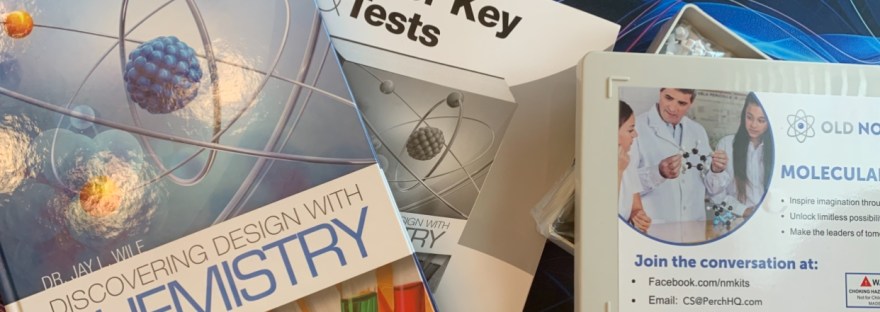
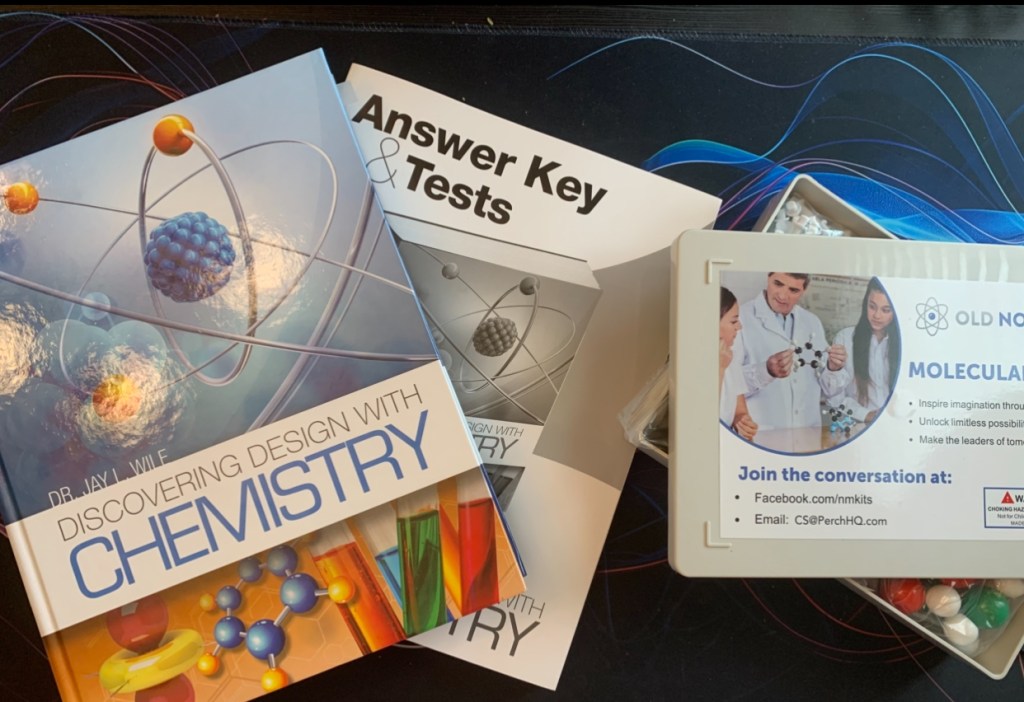
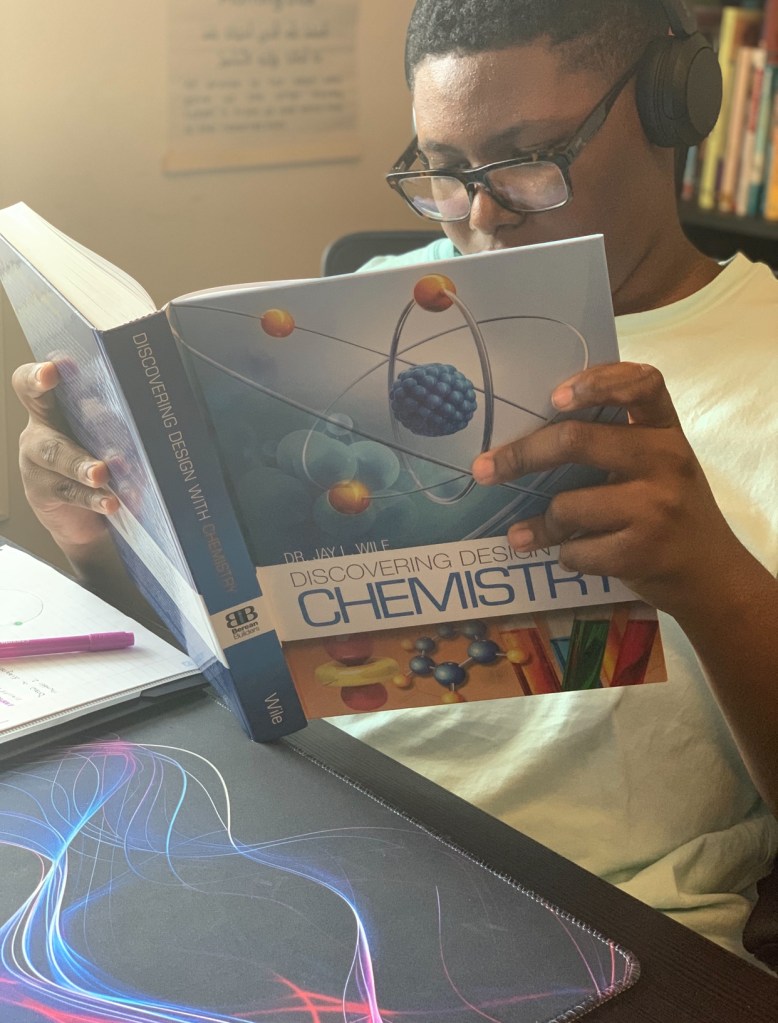
Chemistry Made Clear: Berean Builders Discovering Design with Chemistry

We received a copy of Berean Builders’ Discovering Design with Chemistry for our honest review!

As a homeschool mom who has walked with my son through a variety of science curriculums, I’ve come to appreciate materials that are both challenging and approachable. This year, even while our main focus is Biology, we’ve been diving into Berean Builders’ Discovering Design with Chemistry and I can confidently say it has been an outstanding addition to our homeschool.

Who Is Discovering Design with Chemistry For?

This curriculum is an excellent fit for:

  • Serious science students who enjoy a challenge and want a comprehensive chemistry foundation.
  • Homeschool families looking for a well-structured course that feels like a true high school (or even honors-level) experience.
  • Students with a passion for science who want to go deeper than just the basics.

The tone is friendly, approachable, and conversational yet the material itself is rigorous and engaging enough to prepare students for college-level chemistry. With a few added assignments, this curriculum could easily be used as an Honors Chemistry course. Berean Builders provides students with excellent high school foundation.

Our Experience Using It Alongside Biology

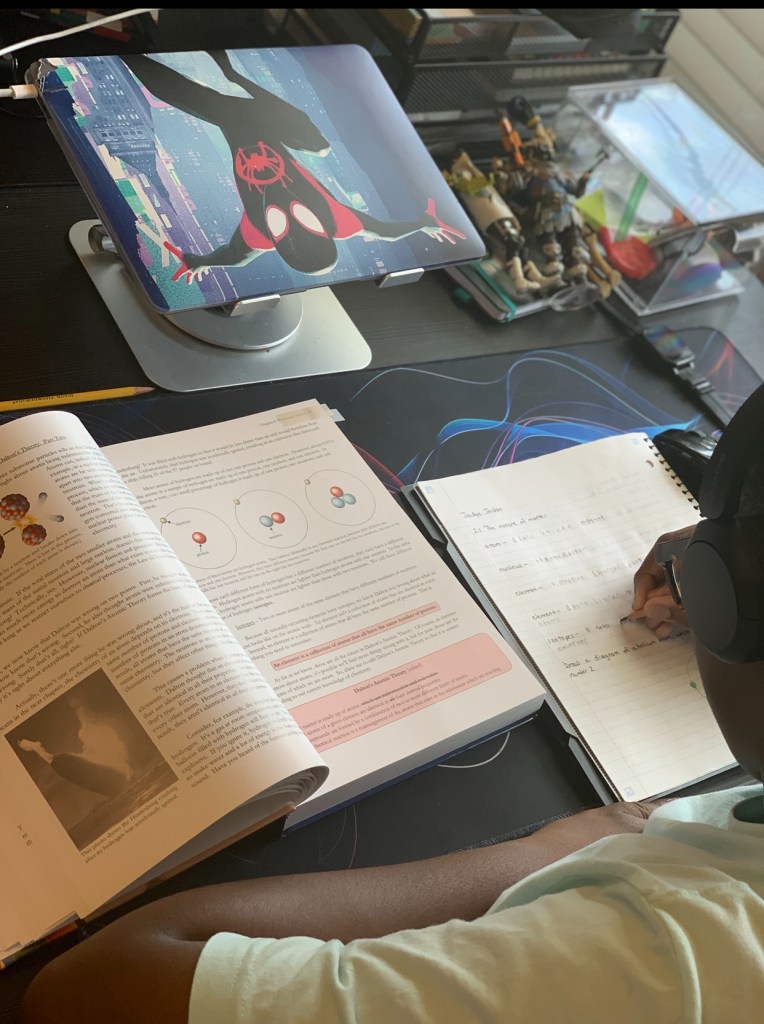
While our primary science focus this year has been Biology, my son’s passion for science naturally led us to start exploring this Chemistry course on the side. Surprisingly, it has enhanced our Biology studies as well. Topics such as molecular structures, bonding, and chemical processes have provided context for biological systems, making the Biology concepts more meaningful. My son has loved diving into Chemistry even while studying Biology it has satisfied his curiosity and broadened his scientific understanding.

Comprehensive and In-Depth

Just as I mentioned in my review of Berean Builders’ Science in the Atomic Age, Berean Builders does not disappoint here. Discovering Design with Chemistry has the depth and clarity I remember from my own high school chemistry textbook, but it’s written in a way that is much more accessible for homeschoolers.

Some highlights include:

  • Comprehensive explanations of fundamental concepts such as atoms, molecules, and chemical reactions.
  • Well-structured labs that make it easy for homeschoolers to complete meaningful experiments at home.
  • Vibrant diagrams and illustrations that help visualize complex ideas.
  • Built-in review questions that ensure mastery before moving forward.

This is not a “light” chemistry program it is a serious, top-notch curriculum that prepares students for advanced science studies.

A Balanced Faith-Based Perspective

Like all Berean Builders curricula, Discovering Design with Chemistry includes Christian references. These are presented thoughtfully and respectfully—never in a way that feels overbearing or indoctrinating. Instead, they serve as gentle reminders that faith and science can complement one another.

Benefits of Berean Builders’ Discovering Design with Chemistry

Comprehensive & In-Depth – Covers all major chemistry topics (atoms, bonding, reactions, etc.) in a way that builds true understanding.

Rigorous Yet Homeschool-Friendly – Feels like a real high school chemistry course but is explained in a way students can follow independently.

Lab-Ready – Includes meaningful experiments that can be done at home with common lab supplies or easily sourced materials.

Engaging Visuals – Vibrant diagrams, charts, and illustrations make complex concepts easier to grasp.

Flexible Structure – Can be used as a standard high school Chemistry course or adapted into an Honors-level course with additional assignments.

Great for Independent Learners – The clear writing style allows motivated students to work on their own while still being fully supported.

Supports Other Sciences – Pairs beautifully with Biology or Physics for a well-rounded science foundation.

Why We Love Berean Builders Sciences

At this point, it’s safe to say we are big fans of Berean Builders. From Science in the Atomic Age to Discovering Design with Chemistry, the company continues to deliver materials that are both rigorous and homeschool-friendly.

My son loves how the textbook “feels real” it’s comprehensive and challenging, but also written in a way that makes him want to keep exploring. For a student with a true love of science, this curriculum has been incredibly rewarding.

Final Thoughts

If you are looking for a serious, in-depth, and engaging Chemistry curriculum for your homeschool, Berean Builders’ Discovering Design with Chemistry is an excellent choice. It’s structured enough to stand as a strong high school chemistry course and can easily be elevated to honors-level, check out Bereans Builders Honors Chemistry live classes and lab kits.

For us, it has been the perfect companion to Biology this year and has fueled my son’s passion for science even further. We’re excited to keep working our way through it and we know this is one of those resources that will stick with him long after high school.

Bottom line: Berean Builders Sciences continue to be top-notch, and Discovering Design with Chemistry is no exception. I highly recommend if your are looking a quality Chemistry curriculum you will not be disappointed.

Games and Apps, Homeschool, Homeschool Family, Science

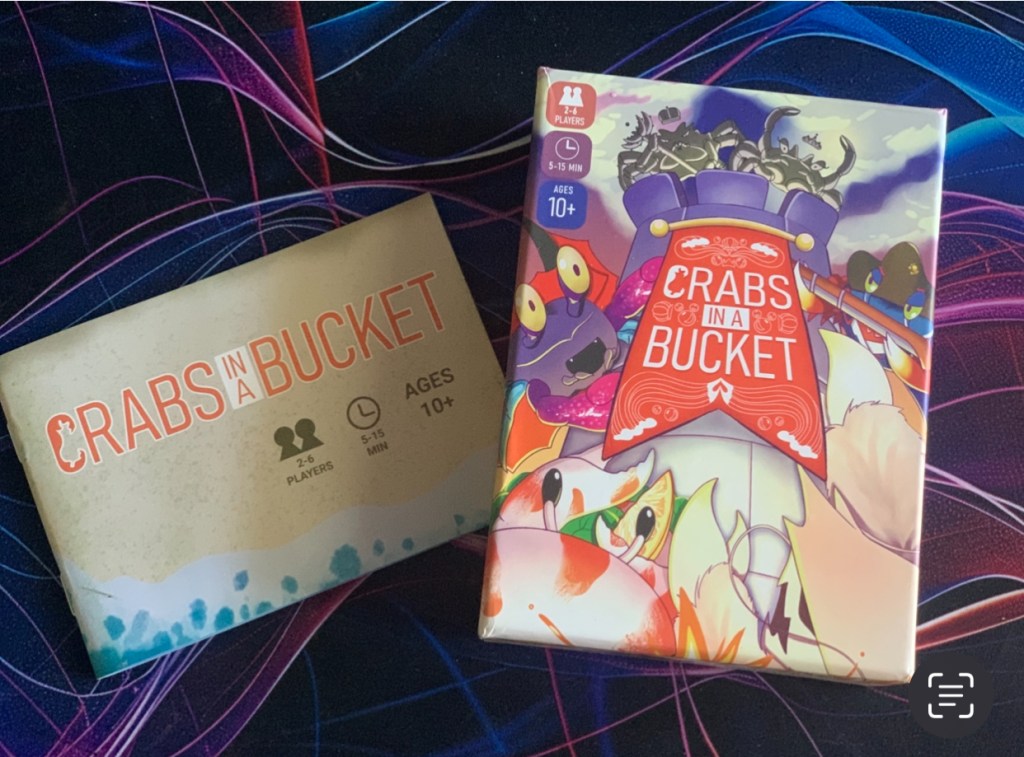
An Upcoming Shark Week Homeschool Hit: Crabs in a Bucket Review:

We received Crabs in a Bucket from Timberdoodle Co in exchange for our honest review!

This summer, our homeschool was crawling with fun and strategy thanks to Crabs in a Bucket, a fast-paced game of bluffing and betrayal that had our whole family clawing for victory! Included in the Timberdoodle 2025 9th Grade Curriculum Kit, this clever little game couldn’t have arrived at a better time. We cracked it open during our favorite themed summer tradition: Shark Week!

While the world was watching sharks on the screen, we were watching each other at the table waiting to see who would get caught, who would escape, and who would be the sneakiest crab of them all.

What is Crabs in a Bucket?

Crabs in a Bucket is a high-energy, social deduction game where players act as crabs trying to escape the bucket, but with a twist. Not every crab wants everyone to get out! Some players are assigned roles like the “Bucket Crab” (who wants everyone to fail) and “Escaping Crabs” (who win by successfully escaping).

Each round, players vote on whether others get to “climb” or fall back into the bucket. But beware: those who seem helpful might just be bluffing! It’s a game of reading faces, strategic alliances, and clever communication. The game comes with an instructional booklet and QR scan for those visual learners who need a more visual approach to learn game play.

Educational Connections

Though it’s packaged as a fun game (and it is), Crabs in a Bucket sneaks in real critical thinking practice:

  • Social Dynamics & Psychology: Players must read body language, analyze behavior, and determine who they can trust—great for developing emotional intelligence and understanding group psychology.
  • Logic & Strategy: Like chess with claws, every move must be calculated. The more you play, the more nuanced your strategy becomes.
  • Communication Skills: Whether convincing others to vote your way or throwing them off your trail, persuasive speaking and listening are crucial.
  • Teamwork & Debate: Players must sometimes cooperate—even with their competitors. This teaches collaboration and negotiation, essential life skills for high schoolers.

This kind of game-based learning fits beautifully into Timberdoodle’s multi-faceted, hands-on approach to education. It’s not about worksheets it’s about thinking critically and creatively in real time.

Perfect for Shark Week

The ocean vibes, the struggle for survival, the intense suspense it’s like Survivor: Crustacean Edition during Shark Week! While we learned about apex predators and marine biology during the day, we dove into this game at night. The theme and tension of the game mirrored everything we loved about Shark Week. It kept the whole week cohesive and themed a homeschool mom’s dream!

A Game for the Whole Family

Though recommended for older kids and teens (and part of a 9th-grade kit), our whole family got in on the fun. The rules are easy to understand but the strategies? Deep. Everyone from middle schoolers to adults found it engaging. It quickly became a go-to game night favorite.

We laughed, debated, accused, and defended ourselves all without screens. Even our most game-shy family members got sucked in (pun intended).

Final Thoughts

Crabs in a Bucket isn’t just a clever Timberdoodle pick it’s a homeschool win, a summer fun staple, and the perfect way to blend game-based learning with family bonding.

If you’re using the Timberdoodle 2025 9th Grade Curriculum Kit, make sure this game doesn’t stay on the shelf. Whether you’re tying it into Shark Week or just breaking it out for a rainy day, this is one game that’s worth clawing over!

Charlotte Mason, Curriculum Resource, Education, Homeschool, homeschool science, Montessori, Science, Timberdsoodle Co., Unit Study, Waldorf

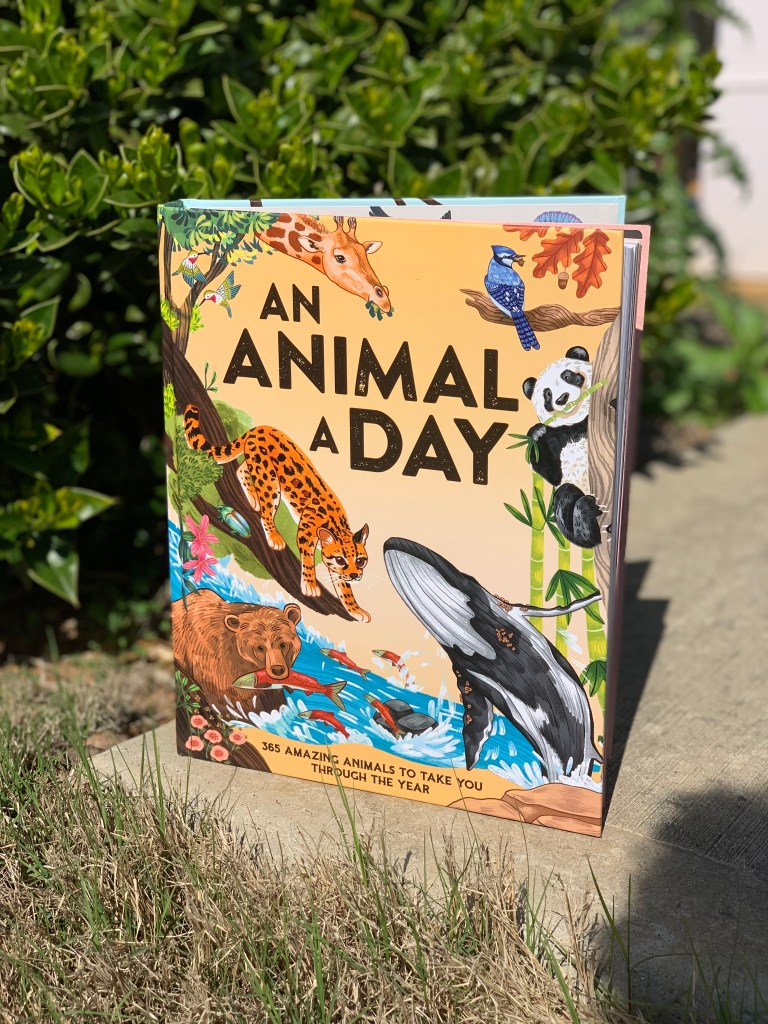
An Animal A Day: A Wildly Wonderful Addition to Our Homeschool Days

A 365-Day Journey Through the Animal Kingdom, One Fascinating Creature at a Time!

We received An Animal A Day in exchange for our honest review from Timberdoodle Co.

If you’re a homeschool parent on the hunt for a stunning, engaging, and educational book to add to your nature or science shelf, look no further. An Animal A Day: 365 Amazing Animals To Take You Through the Year is the kind of book that instantly captures attention and keeps curious minds coming back for more. Whether your family leans into the Waldorf, Montessori, or Charlotte Mason philosophy or just has a deep love for nature this book is going to feel like a perfect fit.

Better yet, it’s been announced that this beautiful book will be included in the upcoming 2025–2026 select Timberdoodle Curriculum Kits! And after using it firsthand during our homeschool mornings, I can tell you it’s an absolute gem.

What’s Inside the Book?

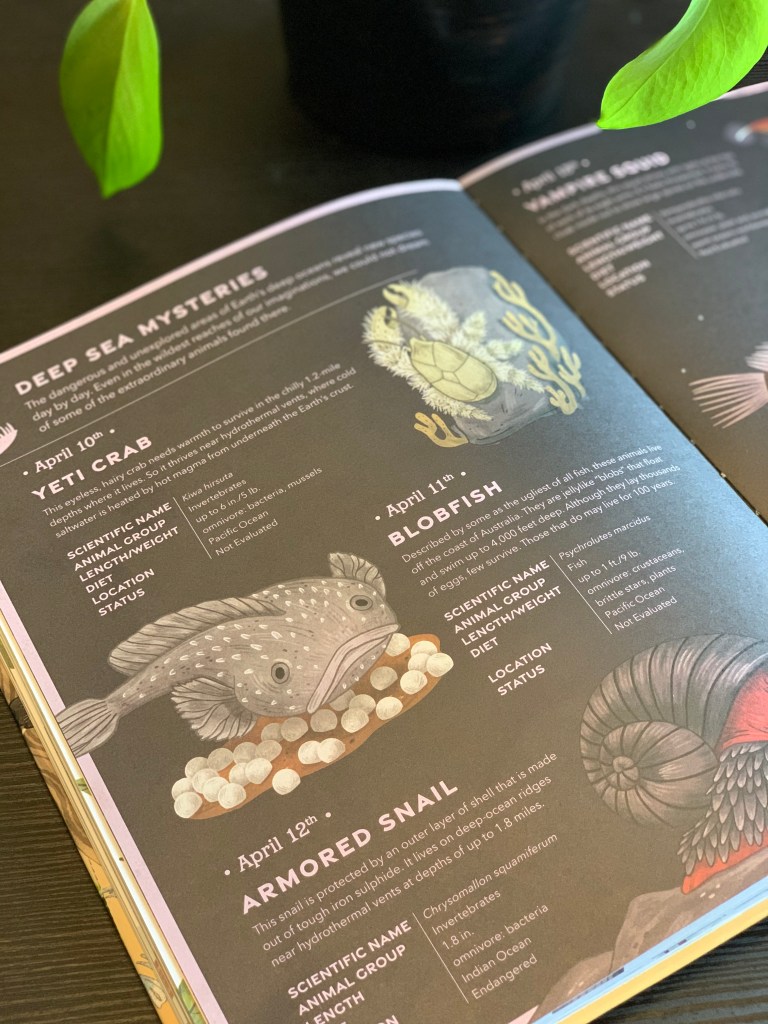
An Animal A Day is exactly what it promises a full year of remarkable creatures, one for every single day. Each page features:

  • A vivid, full-color illustration of an animal (some rare, some familiar, all fascinating)
  • Fun, bite-sized facts that are digestible yet spark deep curiosity
  • The scientific name and geographic region of the animal
  • Occasional fun facts, myths, and natural history notes

The layout is clean, visually appealing, and feels like a cross between a naturalist’s field journal and an artist’s sketchbook. It makes learning feel magical.

Let’s Talk About Those Illustrations

The artwork is nothing short of stunning. Bold yet gentle, realistic yet whimsical it walks that perfect line between textbook clarity and storybook wonder. My middle schooler was immediately drawn to the pictures and spent extra time flipping through the pages even after our morning session had ended.

These illustrations aren’t just pretty they’ve been a launching pad for deeper learning in our home. On more than one occasion, my son has independently looked up more about an animal’s habitat, diet, and conservation status. It’s been incredible to see him take that initiative just from being inspired by a picture book.

How We Use It in Our Homeschool

We’ve added An Animal A Day to our Morning Start-Up routine—what we call our gentle start to the day. With a cup of tea and the sun streaming in, this book becomes a daily moment of connection, curiosity, and calm.

We read one animal entry aloud, admire the artwork, and then chat about the creature’s region, adaptations, and anything else that sparks our interest. Some days we even map the animal’s home on our wall map, and other times we turn it into a mini science notebook entry.

It’s also perfect for:

  • Morning baskets
  • Science warm-ups
  • Nature table displays
  • Independent reading time
  • Supplementing unit studies on ecosystems, biomes, or continents

Who Will Love This Book?

This book is a must-have for:

  • Students in upper elementary to middle school, though even many high schoolers will be enchanted by the quality and variety of content.
  • Animal lovers and budding zoologists of all ages.
  • Families using Waldorf or Montessori methods, who appreciate nature-led learning and beautiful visuals.
  • Charlotte Mason homeschoolers, who will treasure the living-book style and gentle yet rich narration.
  • Nature journalers, looking for a springboard into drawing or writing about the natural world.

Final Thoughts

As a homeschool mom with years of experience curating resources, An Animal A Day has quickly become a top-tier favorite in our homeschool space. It’s rare to find a book that hits so many sweet spots educational, beautiful, engaging, and versatile but this one truly does.

If your child lights up when spotting a creature in the wild or begs to visit the zoo “just one more time,” then An Animal A Day will be their new favorite part of the homeschool day. It has brought a new sense of wonder and exploration into our mornings, and I can’t recommend it enough.

Get ready to fall in love 365 times over.

Curriculum, Curriculum Resource, Education, Homeschool, homeschool science, Middle School, S.T.E.A.M, Science

Berean Science in the Atomic Age: A Deep Dive for Science-Loving Middle Schoolers

We received Berean Science in the Atomic Age for our honest review!

As a homeschool mom I thrive on finding the best curriculum for my science-loving son, I was eager to try Berean Science in the Atomic Age for middle schoolers. If your child is not a fan of science, let me be clear this curriculum is not for them. However, if your student is like mine, who loves diving deep into scientific concepts, experiments, and discoveries, this program is a fantastic choice. Berean Science in the Atomic Age is a faith-based, comprehensive and critical thinking science curriculum. Now in my honest opinion I will say that it was not overly religious and so families who prefer secular curriculum will still find this of value.

What You Receive When You Order

When you purchase Berean Science in the Atomic Age, you receive:

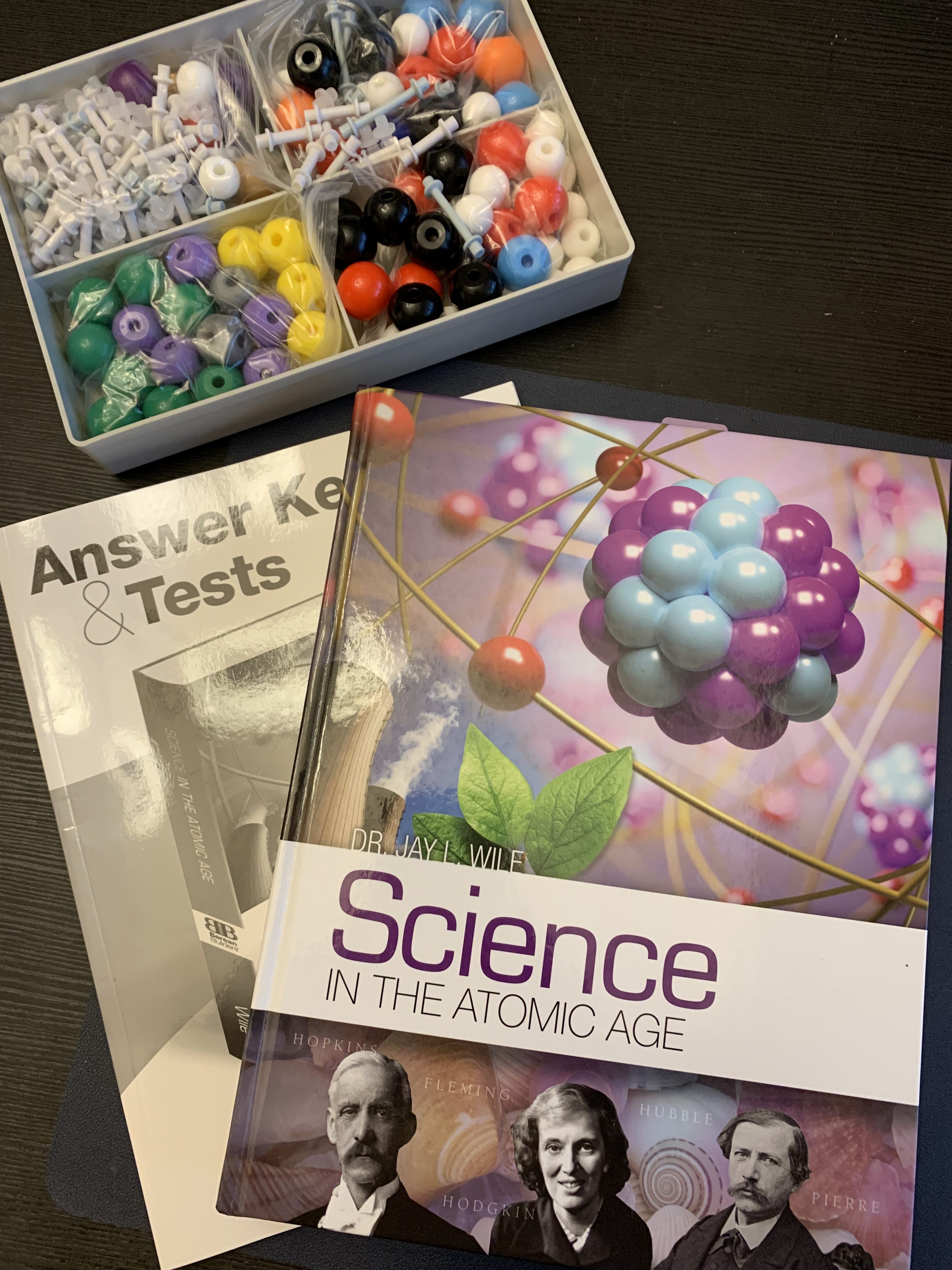
  • A high-quality hardcover textbook that reminds me of a high school-level science book. As well as answer key & Test. Comprehension questions and answers can be found in the textboook.

Hands-On Learning with Lab Reports

The experiments in this curriculum are well-planned and engaging. To ensure my son fully grasped the scientific process, I had him write out a full lab report for each experiment. However, one thing I would have loved is if the curriculum had included a lab report template—that would have made things even smoother!

Topics Covered

This curriculum takes an in-depth approach to science and is structured to provide a deep understanding of various topics. Some of the major concepts covered include:

  • The atomic structure and properties of matter
  • The periodic table and chemical reactions
  • Energy, forces, and motion
  • Biological molecules and life processes
  • Earth’s structure and atmospheric science
  • The role of scientists in historical discoveries

While the textbook is incredibly informative, I found that it lacked diversity in the scientists mentioned. To ensure my son had a well-rounded view of scientific contributions, I supplemented with our own resources that highlight diverse scientists and their discoveries.

Experiments and Lab Reports

  • My son completed hands-on experiments included in the curriculum.
  • Instead of just observing results, I required him to write a full lab report for each experiment.
  • I would have loved if the curriculum included a lab report template to make this process more structured.

What I Wish Was Different

  • The comprehension questions were great, but I wish they were on a separate printable instead of only in the textbook. I later discovered that there is separate student notebook sold, but by different vendor. It was not available on Berean Builders website.
  • A lab report template would have been a fantastic addition to the set.
  • Greater diversity in the scientists mentioned would have enriched the learning experience, though I supplemented this with our own research.

Who Would Benefit From This Curriculum?

  • Students who love science and want to take a deep dive into complex topics.
  • Middle schoolers ready for high school-level content* presented in an engaging and structured way.
  • Homeschool parents who enjoy a structured, textbook-based science program with strong academic rigor.
  • Families who don’t mind supplementing with additional resources* to ensure a well-rounded science education.

Final Thoughts

Overall, Berean Science in the Atomic Age is a fantastic curriculum for science-loving middle schoolers who want to explore advanced concepts. It is not a light or casual program, so I would only recommend it for students who truly enjoy science. Despite some minor drawbacks, this curriculum will remain in our science loop rotation as a valuable and rigorous resource for our homeschool.

Curriculum, Homeschool, homeschool science, Middle School, Science

Master Books Update: A Healthy Journey with Living Healthy & General Science 1

We received Living Healthy and General Science 1: Survey of Earth & Sky for our honest review.

As we progress through our homeschool journey, two Master Books curriculums Living Healthy and General Science 1: Survey of Earth & Sky have become part of our routine. Each has its unique strengths, and while one is a perfect fit, the other has its merits, even though it didn’t fully align with our needs. Here’s a closer look at both programs:

Living Healthy: A Wonderful Health Curriculum

We’ve been thoroughly enjoying Living Healthy! This curriculum has not only met our state’s health education requirements but has also held my son’s attention with its engaging content. It covers important topics on health, nutrition, and the human body in a way that’s accessible for middle school students.

What has been particularly rewarding are the thoughtful conversations the lessons have sparked. We’ve had many deeper discussions about the human body, healthy habits, and overall wellness. The curriculum provides just enough structure while allowing us to take our own deep dives into areas of interest, making learning more interactive and personal.

The activities included are fun and varied, keeping my son engaged while reinforcing what he’s learned. Additionally, the flexibility to omit certain sections that weren’t the best fit for us was a big plus, allowing us to tailor it to our family’s needs.

General Science 1: Survey of Earth & Sky – Beautiful, But Not Our Fit

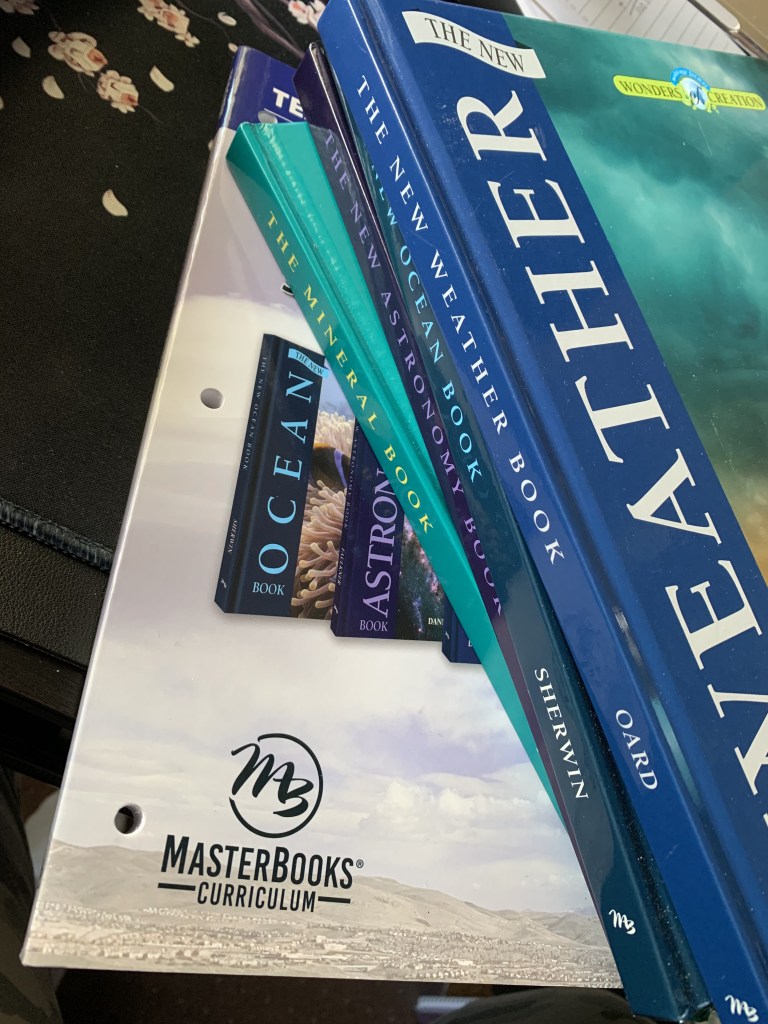
While General Science 1: Survey of Earth & Sky wasn’t a perfect fit for our family’s approach to science, it certainly has its strengths. The colorful, visually appealing reference books have been a great resource for my son, especially when he’s looking for well-presented diagrams and detailed images of Earth, space, and scientific concepts.

Though the curriculum’s biblical-based approach didn’t quite align with our homeschooling style, I can see it being an excellent choice for families who prefer a faith-integrated science curriculum. The material is solid, and it offers a comprehensive introduction to earth and space science topics, with room for discussion on biblical perspectives.

Flexible and Engaging Curriculum

Overall, both Master Books Living Healthy and General Science 1: Survey of Earth & Sky are well-crafted curriculum. We found Living Healthy to be the perfect match for meeting our health education needs and keeping my son intrigued by the subject matter. General Science 1, while not the best fit for us, still offers great resources, especially for families seeking a biblical perspective in science.

What I appreciate most about both curriculum’s is their flexibility. You can tweak them, omit parts that don’t work, and still have a solid educational tool that adapts to your family’s needs. Both curriculums show that learning can be flexible, engaging, and enriching, especially when it’s tailored to suit your homeschool journey.

Be sure to enter the giveaway by clicking the banner below for your chance to win Big Book Bundle from Master Books!

Curriculum, Curriculum Resource, Homeschool, Reviews, Science, Unit Study

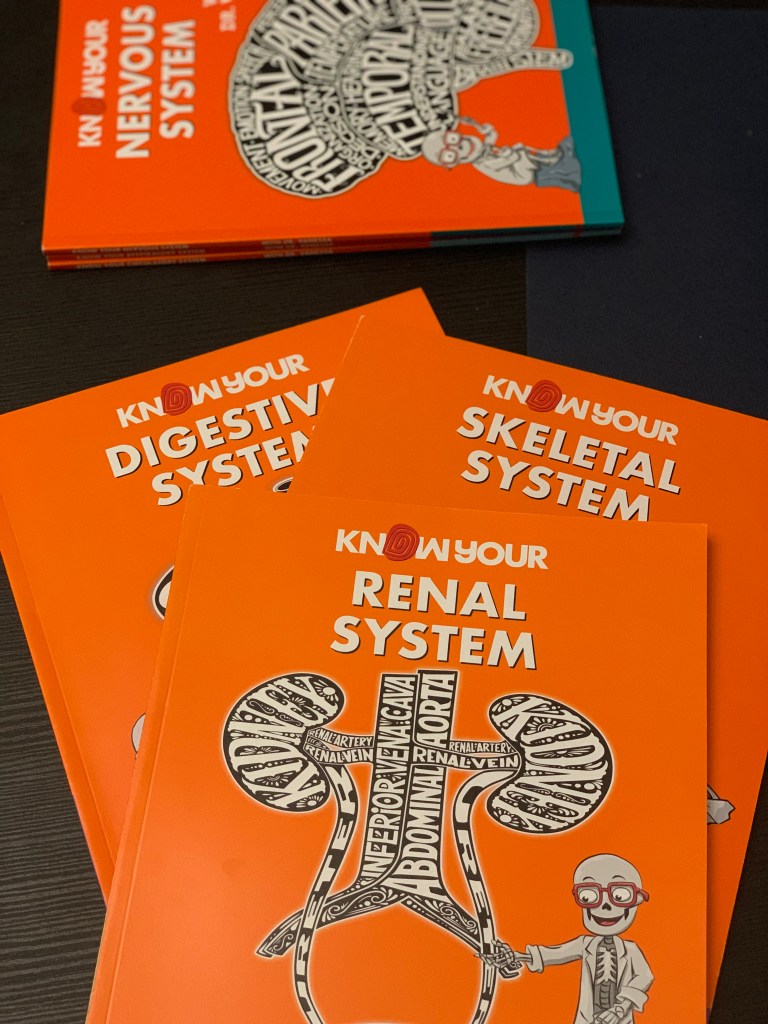
Empowering Future Doctors: A Review of the Know Your Body 3-Book Bundle #2′ from Know Yourself

We received Know Your Body 3-Book Bundle #2 for our honest review from Timberdoodle Co.

As a homeschool mom with a future doctor in the house, I’m always on the lookout for resources that nurture my son’s passion for medicine. The Know Your Body 3-Book Bundle #2 from Know Yourself Company, part of Timberdoodle Co’s 8th grade curriculum, has been a fantastic addition to our homeschool library. As long-time users of the Systems of the Body: Adventure Series, we’ve always appreciated Know Yourself’s ability to make complex biological concepts accessible and fun for young learners. This bundle goes above and beyond, offering a deeper dive into the wonders of the human body that’s perfect for middle schoolers like my son

Here’s a breakdown of what each book in the bundle offers and why they’ve been a game-changer for our homeschool journey:

Book 4: The Digestive System

This book takes readers on a journey through the digestive process in a way that truly comes alive. From the mouth to the stomach and all the way to the intestines, the illustrations and explanations help break down the complex functions into bite-sized (pun intended!) sections that are easy to digest—literally and figuratively. My son loved learning about enzymes and how food gets absorbed into the bloodstream. It also sparked a lot of discussion about healthy eating and how to support digestive health. For any middle schooler curious about how their body processes food, this book is a must-read.

Book 5: The Renal System

The kidneys, bladder, and the entire urinary system get their time to shine in this detailed exploration of the renal system. This book explains the filtration process in the kidneys and how waste is removed from the blood, a topic that fascinated my son. He found the diagrams extremely helpful, and the quizzes at the end of each chapter tested his knowledge in a fun way. The renal system can seem like a dry subject (pun again intended!), but this book manages to make it engaging and interactive, which is a real testament to the authors. It’s more than just memorizing facts; the book encourages problem-solving and critical thinking, which is crucial for middle schoolers stepping into more advanced studies.

Book 6: The Skeletal System

Out of the three, the skeletal system book was my son’s favorite. He has a deep interest in anatomy, and this book gave him a clear understanding of how bones function, from providing structure to producing blood cells. The book does a fantastic job explaining how bones work in tandem with muscles and ligaments, bringing the human skeleton to life in a fascinating way. The exercises at the end of the chapters were particularly beneficial for reinforcing learning and helped my son think critically about how our body’s framework supports everything we do.

How These Books Differ from the Systems of the Body: Adventure Series

While we have been long-time users of the Systems of the Body: Adventure Series, the Know Your Body 3-Book Bundle #2 offers a more detailed, in-depth look into each body system. The Adventure Series focuses on broader overviews with an adventurous storyline, which was fantastic for introducing concepts to my son when he was younger. Now, at the middle school level, the Know Your Body series brings a more mature approach. It dives deeper into scientific processes and encourages critical thinking through hands-on activities and real-world connections. These books are an ideal fit for older students who are ready to take their understanding to the next level.

Why It’s Perfect for Middle Schoolers

The Know Your Body books strike a perfect balance between fun and educational content. The tone is light and engaging, yet the information is comprehensive enough to challenge a middle school student. My son, who is highly motivated and loves to learn about the human body, found these books incredibly fulfilling. They pushed him to think like a scientist and future doctor, while still being accessible enough for independent learning.

Know Yourself Academy: The Next Step in Learning

We’re also excited to explore the new Know Yourself Academy online platform, launched by the same creators. As homeschoolers who have loved their books, this online platform seems like a natural progression. It promises to offer a rich, interactive learning environment that complements the print materials. For a child with big dreams of becoming a doctor, having access to these kinds of high-quality educational tools is invaluable.

Final Thoughts: A Must-Have for Aspiring Young Doctors

If your child has an interest in science or medicine, I highly recommend the Know Your Body 3-Book Bundle #2 from Know Yourself. These books offer a perfect blend of fun, education, and depth, especially for middle schoolers who are ready to dive deeper into the workings of the human body. Whether your child dreams of becoming a doctor or is just curious about how their body works, this bundle is a fantastic tool for fostering that curiosity and making learning both interactive and meaningful.

1st Grade, Curriculum, Early Math Skills, Hands on Math, Homeschool, Online Math, Science

SPORK Butterfly Math & Science 1st Grade: A Perfect Blend for Young Learners

We received SPORK Butterfly Math & Science 1st Grade for our honest Review!

Why Combining Math & Science Makes Learning Fun and Engaging!

As a long-time homeschool mom, I’ve explored many different curricula over the years, and SPORK Butterfly Math & Science 1st Grade has caught my attention for its innovative and hands-on approach. This curriculum seamlessly combines math and science into a unified program, which is not only practical but also exciting for young learners. I can’t help but wish this program was around when my science-loving son was in 1st grade!

Who Would Benefit from SPORK Butterfly Math & Science 1st Grade?

SPORK is an ideal choice for any homeschool family with a child who:

  • Thrives with hands-on learning and loves experimenting with real-world concepts.
  • Is naturally curious about science and how things work.
  • Needs a curriculum that integrates different subjects, reducing the need for separate lessons.
  • Enjoys a mixture of online interactive components and physical, tangible manipulatives.

SPORK combines these subjects in a way that feels natural and fluid, allowing children to develop a solid foundation in both math and science while fostering a love for learning.

A Science-Loving Child’s Dream

Looking back, I know this would have been a great fit for my son when he was in 1st grade. He was always drawn to science, and having math lessons woven into his favorite subject would have been a perfect match for his interests. SPORK Butterfly Math & Science 1st Grade provides opportunities for students to engage in hands-on experiments and investigations, which would have captivated his attention and made learning math concepts feel relevant and fun.

Why the Integration of Math and Science Works

Combining math and science into one curriculum is a brilliant concept. Children naturally encounter math during science experiments (think counting, measuring, comparing), so this integration helps them understand the connection between the two. Rather than treating them as separate subjects, SPORK brings them together in a way that builds a holistic understanding. This approach also reduces the need for separate lesson planning, which is always a win in a busy homeschool day!

Hands-On Manipulatives and Interactive Learning

One of the highlights of the SPORK curriculum is the hands-on manipulatives that come with the homeschool bundle. These materials allow children to physically interact with math and science concepts, helping to solidify their understanding. Whether it’s measuring tools, counting objects, or science experiment kits, SPORK offers tactile learning that suits kids who need to “learn by doing.”

On the online side, SPORK has developed interactive lessons and activities that further enhance learning. These components include:

  • Virtual labs where children can simulate scientific experiments.
  • Interactive math problems that adjust to your child’s learning pace.
  • Engaging videos that explain scientific concepts in a kid-friendly way.

The blend of online learning with physical manipulatives makes SPORK a versatile curriculum that appeals to visual, auditory, and kinesthetic learners.

What’s Included in the SPORK Butterfly Math & Science 1st Grade Homeschool Bundle?

The homeschool bundle is packed with all the essentials you’ll need for a successful year:

  • Purchase includes 18 month license
  • A comprehensive teacher’s guide that walks you through daily lessons and activities.
  • Access to the online platform with interactive math and science lessons.
  • Physical manipulatives like counting blocks, measuring tools, science experiment kits, and more.
  • A student workbook that includes engaging activities, practice problems, and space for journaling scientific discoveries.
  • Printable worksheets and extra resources to further support each unit.

Learning Styles Supported by SPORK

SPORK Math & Science is an excellent fit for several learning styles:

  • Visual learners will appreciate the colorful, interactive online lessons and videos.
  • Kinesthetic learners will thrive with the hands-on activities and experiments.
  • Auditory learners will benefit from the narrated lessons and verbal instructions provided in both the online component and teacher’s guide.

SPORK Butterfly Math & Science 1st Grade is a standout curriculum that brings the best of both subjects into one cohesive package. With its engaging, hands-on approach and seamless integration of math and science, it offers a rich learning experience that would benefit any child. If you have a little one who’s curious about the world, loves to explore, or simply needs a dynamic, well-rounded program, SPORK might just be the perfect fit for your homeschool!