
Homeschooling high school is a whole new level of homeschooling.
And I don’t think we talk enough about the anxiety that can come with it for the student and the parent.
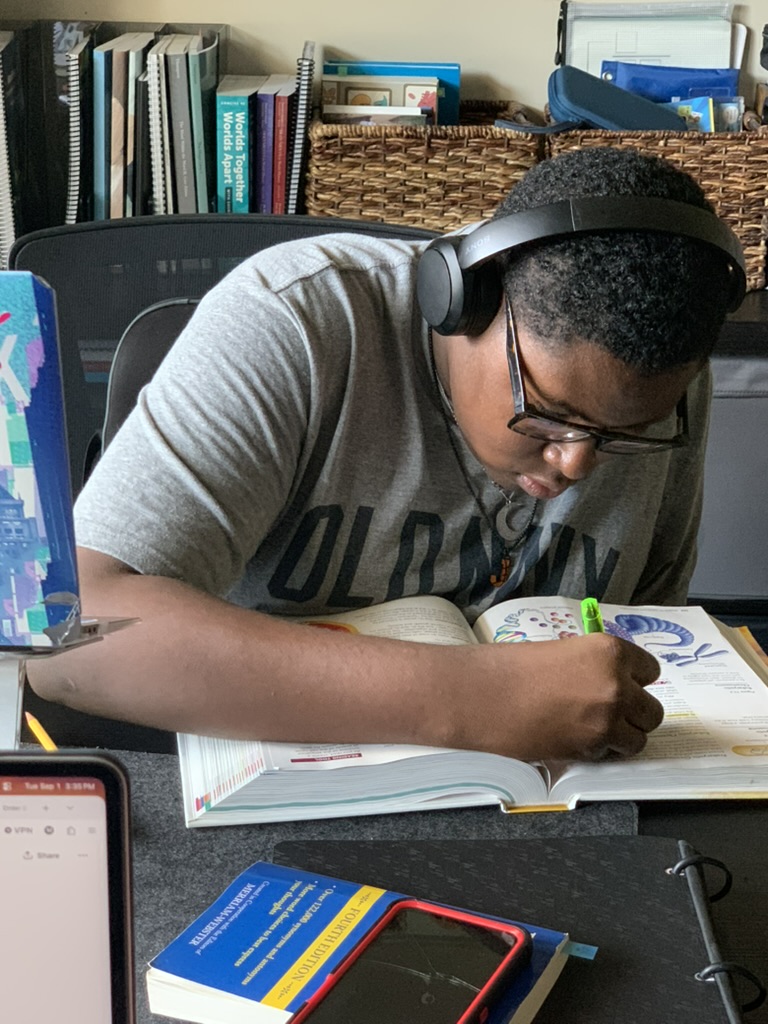
When I started planning this school year, I thought I had it all together. I had mapped things out. We had the curriculum. We had the classes. I had researched credits, electives, future plans, and all the things homeschool moms convince ourselves we need to have figured out before high school begins. I was READY. Or at least I thought I was. What I wasn’t prepared for was how much he would change.
Even School Supply Shopping Was Different
I should have known something had shifted when we went school supply shopping. School supply shopping has always been one of those little homeschool traditions. New notebooks, pens, folders, highlighters you know, all the unnecessary school supply glitz that some of us homeschool moms get way too excited about. My son? Completely unbothered. We walked into Target, and he casually looked through the notebooks. He found one notebook he liked. Great. Then he picked up another one. And another. And another. This child bought six of the exact same notebook with the exact same cover. Meanwhile, my Type A personality was internally screaming. How are you going to know which notebook is for which subject?
In my mind, math needed one color, biology another, history another, English another. There needed to be a SYSTEM. He wasn’t concerned. And you know what? He figured it out. Then came the Great Highlighter Battle of 2026. We seriously went through four different brands before he finally decided that BIC Brite Liners were the highlighters.
Apparently, high school requires very specific highlighting technology. But those little moments were showing me something bigger. He was developing his own preferences, systems, and ways of doing things. And I needed to let him.
The Independence Happened Almost Overnight
The biggest thing I wasn’t prepared for was the super independence. It honestly felt like it happened overnight. We went from being a homeschool team to him becoming a solo act. For years, homeschooling meant that I was right there teaching, planning, explaining, checking, redirecting, researching, and organizing. Now? He mainly needs me to help organize his curriculum, map out his lesson plans, and make sure the bigger picture makes sense. Then he takes it from there. That has been one of the biggest adjustments for me as a homeschool mom. But I’m realizing that this is something we’ve been working toward all these years.
High School Changed the Plan Too
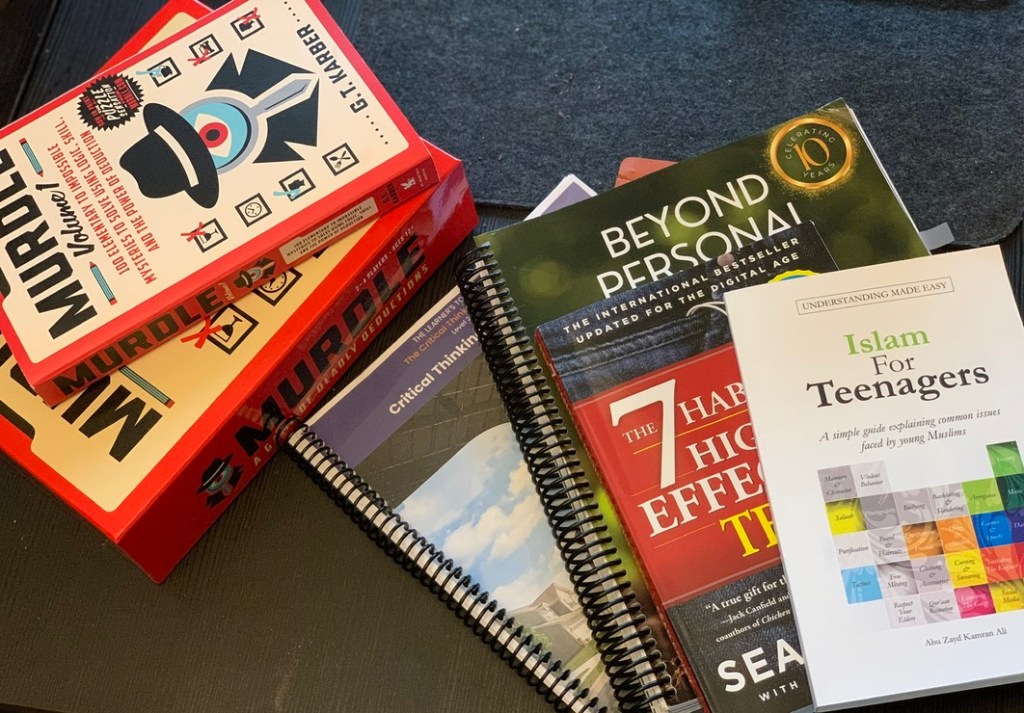
His classes have changed this year as well. Over the summer he completed a lot of his freshman high school credits. Math credits for high school are almost complete, so his next stop for math in 2027 is college math credits. He decided to begin dual enrollment with ASU and is taking additional elective classes online. Suddenly, our homeschool isn’t contained within the curriculum I selected. His education is expanding, and he’s beginning to make decisions about what he wants his high school years to look like.
Even his graduation timeline changed. He has decided that he may graduate in 2030 or 2031, based partly on his age and his desire to take full advantage of the educational funding opportunities available through our state. His goal is to graduate from high school with an associate degree.
And here’s the thing:
That was his decision.
I can help him research. I can help him understand credits. I can help him look at requirements and long-term goals.
But the final picture is becoming his to create.
Then Music Came Out of Nowhere
This summer, he had another explosion of creativity that completely shocked his dad and me. He started producing music and songwriting. Now, this is a kid who literally grew up around music. His dad is a music producer. He has grown up seeing equipment, hearing sessions, and being around an in-home studio. And for years?
Very little interest. Then one day, he asked his dad if he could play something he had been working on. His dad loaded the song into the studio. We listened.
And then his dad and I looked at each other.
Where did THIS come from?
The kid who had grown up in the studio but showed very little interest in music production had composed and produced a song that sounded like something we could actually hear on the radio. Suddenly, music wasn’t just something his dad did. It was his. His newfound love for music production and songwriting has now become one of his passion projects, right alongside the novel he has been writing. And this is where my training as a Montessori educator came full circle:
Follow the child.
I’ve said those words for years. Now I’m having to live them in a completely different way. Following the child when they’re little may mean noticing that they’re fascinated by dinosaurs and building learning opportunities around that interest. Following the child as a teenager may mean making room for interests you never planned and recognizing that some of the most meaningful learning may happen outside the curriculum you carefully selected.
So…What Does the Homeschool Mom Do Now?
That has been my question. What does a homeschool mom do when her student has taken the reins of about 80% of his homeschool journey? I’ve realized that my job didn’t disappear. My job changed. I’m spending less time hovering over assignments and more time preparing him for life. I have stepped into a new role college counselor and life coach. These days, our lessons together look different. We’re working on cooking, paying bills, making appointments, filling out forms, managing schedules, communicating with adults, and handling responsibilities. But I’m also becoming much more intentional about our relationship.
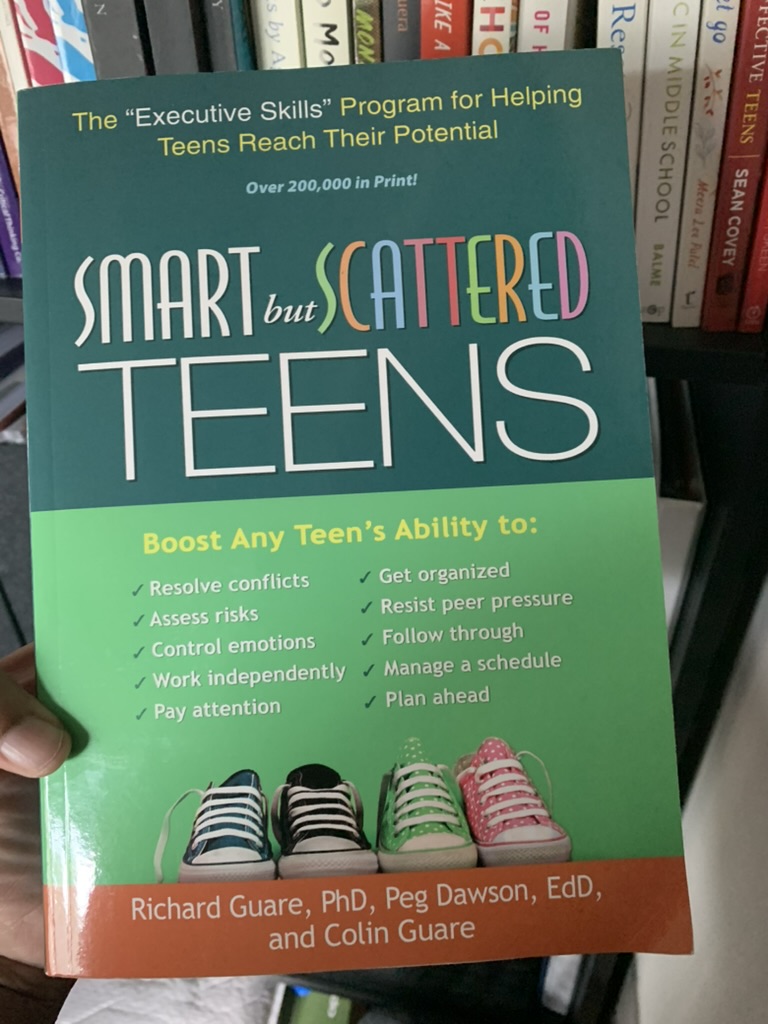
We are reading more books together and discussing them. We’re talking about growth mindset, confidence, character, and self-esteem. Gameschooling has come back to the forefront in our house because sometimes sitting across from your teenager laughing over a game creates opportunities for conversations that would never happen if you simply sat him down and said, “We need to talk.”
I’m prioritizing family time and making memories. We’re having conversations about self-awareness, friendships, relationships, peer pressure, boundaries, decision-making, and safety when he’s out without us. We’re giving him room to experience more of the world while still having home as a place to come back to for guidance. Even his bedroom is changing. He recently asked us to update his room so that it feels more like a teenager’s space. Instead of me deciding what looks good, we’re getting his ideas and slowly making purchases based on the environment he wants to create.
It’s another small reminder to follow the child.
And Then There Is the Social Calendar!
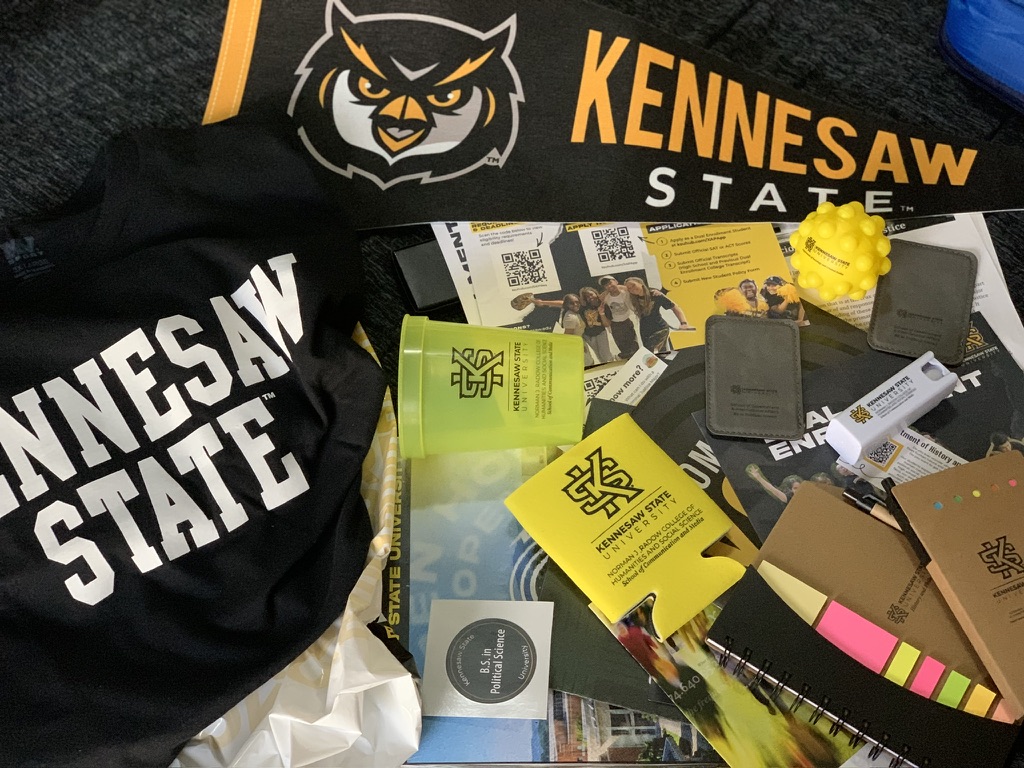
Apparently, teenagers have places to be. His social calendar is absolutely off the chain these days. Between his homeschool co-op teen group, National Beta, National Honor Society, Kappa League, friends, classes, projects, and activities, this kid has a fuller calendar than some adults I know. But I love seeing it. One of the concerns people sometimes have about homeschooling through high school is whether homeschooled teens will have enough opportunities for friendships, leadership, activities, and community. Our experience has been the opposite. As he’s gotten older, his world has actually gotten bigger.
What I’m Learning About Homeschooling High School
If you’re entering the high school years, here’s what I’m learning along the way:
- Your role is supposed to change. You may move from teacher to advisor, mentor, planner, chauffeur, sounding board, and safe place. That doesn’t mean you’re less important.
- Give them ownership. Let them choose some courses, electives, supplies, organizational systems, projects, and goals. Even if their system makes your Type A personality twitch a little.
- Teach life alongside academics. Transcripts matter, but so do scheduling appointments, managing money, cooking, communicating professionally, solving problems, meeting deadlines, filling out forms, and knowing how to advocate for themselves.
- Make room for unexpected passions. The thing your teenager becomes passionate about may not be anywhere on the curriculum map you created. Leave room for it anyway.
- Don’t confuse independence with disconnection. They may not need you sitting beside them for every lesson anymore, but they still need connection, conversation, guidance, boundaries, and a safe place to land.
- Keep reevaluating the plan. High school doesn’t have to be four rigid years mapped out before ninth grade begins. Goals change. Interests change. Opportunities appear. The plan can change too.
- Protect your relationship. It can be easy for high school to become all about credits, grades, transcripts, college, dual enrollment, and what’s next. Your relationship with your teenager matters too.
- Let them practice adulthood while the stakes are still lower. Let them make the phone call, schedule the appointment, manage the deadline, communicate with the instructor, organize their calendar, and even make a few mistakes while you’re still close enough to help them figure out what to do next.
What I’m Holding Onto
As the academic side of homeschooling changes, I’ve found myself becoming even more intentional about the things that keep us connected. I want us to keep reading books together and having conversations about them. I want him to be able to bring ideas to me, challenge my thinking, ask questions, disagree respectfully, and know that our home is a place where we can talk about hard things. I want to keep gameschooling too. Not everything valuable needs a grade, transcript entry, or credit attached to it. Sometimes the lesson is simply sitting around the table laughing together. I want life skills to become an even bigger part of our homeschool because my goal isn’t simply to raise a teenager who can graduate. I want to raise a young man who can function confidently in the world.
I also want to protect space for his passion projects. Music production, songwriting, writing his novel, and whatever else catches fire along the way deserve room in his education. Those things may not have been part of my original high school plan, but they may become some of the most important parts of his. Most importantly, I’m choosing connection over completion more often. There will always be another assignment, another lesson, another box to check. But I won’t always have a teenager sitting at my kitchen table.
The Part Nobody Warns You About
I’m incredibly proud to see all of our hard work beginning to come together. But I’d be lying if I said it wasn’t a little bittersweet. When you’re homeschooling a little one, the days can feel so long. You wonder whether they’re ever going to read independently. You wonder whether they’ll ever stop needing you to explain every math problem. You wonder whether you’ll ever be able to say, “Go do your schoolwork,” and have them actually go do it.
And then one day…
They do.
The child who once needed you beside him for nearly everything suddenly has a calendar, goals, classes, organizations, friends, projects, ideas, and plans of his own. And you realize that the homeschool journey you’ve spent years building is beginning to do exactly what it was supposed to do.
It’s preparing him for what comes next.
That realization is beautiful.
And hard.
And exciting.
And bittersweet.
So yes, high school homeschooling looks very different around here. There are six identical notebooks. There are very specific BIC Brite Liners. There are dual-enrollment classes, music sessions, a novel in progress, leadership organizations, friends, a packed social calendar, and plans for the future that I couldn’t have completely mapped out even if I tried. And maybe that’s exactly how it’s supposed to be. Because after all these years of homeschooling, I’m finally understanding another side of “follow the child.” When they’re little, following the child often means discovering how they learn. As they grow, it becomes making space for them to discover who they are. We’re not finished yet. There are still lessons to teach, credits to earn, conversations to have, mistakes to make, and memories to create.
But the view from here is changing.
And while part of me wants to slow everything down, another part of me looks at the young man emerging in front of us and thinks: This is what we were working toward all along.