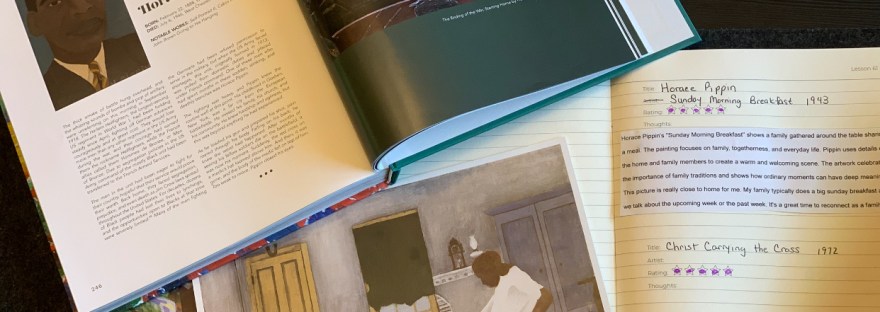
We received Beautiful Feet Books Art Appreciation for our honest review!
There is something special about slowing down during the spring and summer months. After a busy academic year filled with math lessons, writing assignments, science labs, and history studies, I always look for opportunities to introduce learning that feels rich, meaningful, and inspiring without adding pressure. This year, that opportunity came in the form of the Beautiful Feet Books Art Appreciation curriculum.
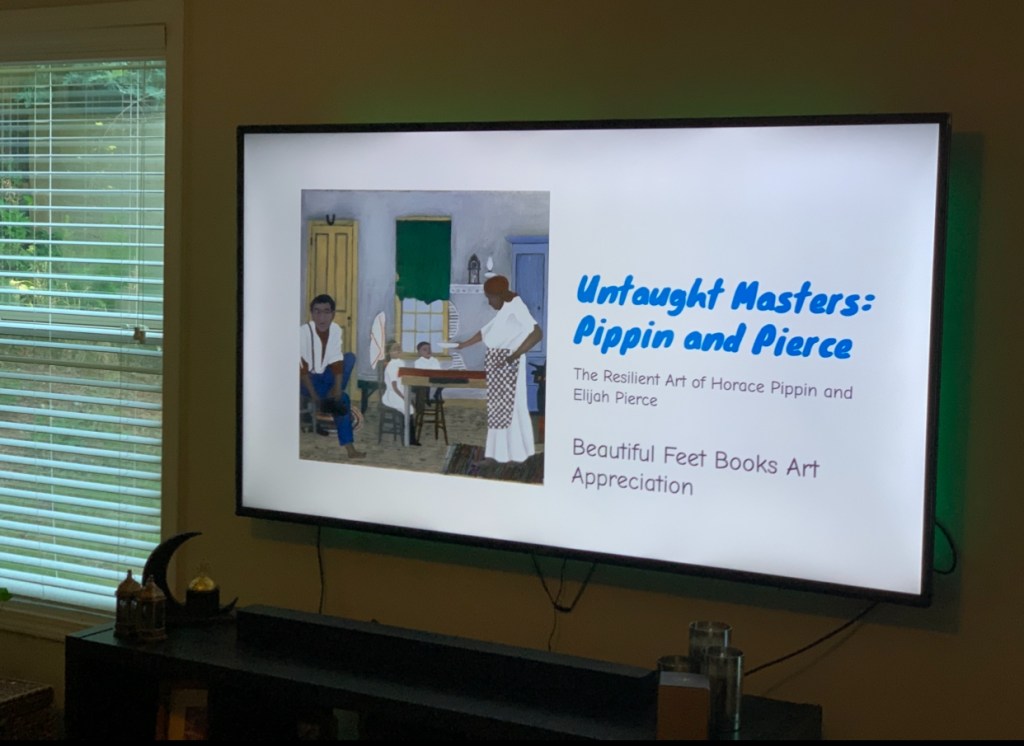
One area where I have always felt our homeschool fell a little short was art appreciation. My son plays both the piano and trombone, so music has always had a strong presence in our homeschool. However, we never quite found a solid art appreciation curriculum that allowed us to intentionally study artists, artwork, and the stories behind the masterpieces. Beautiful Feet Books changed that.
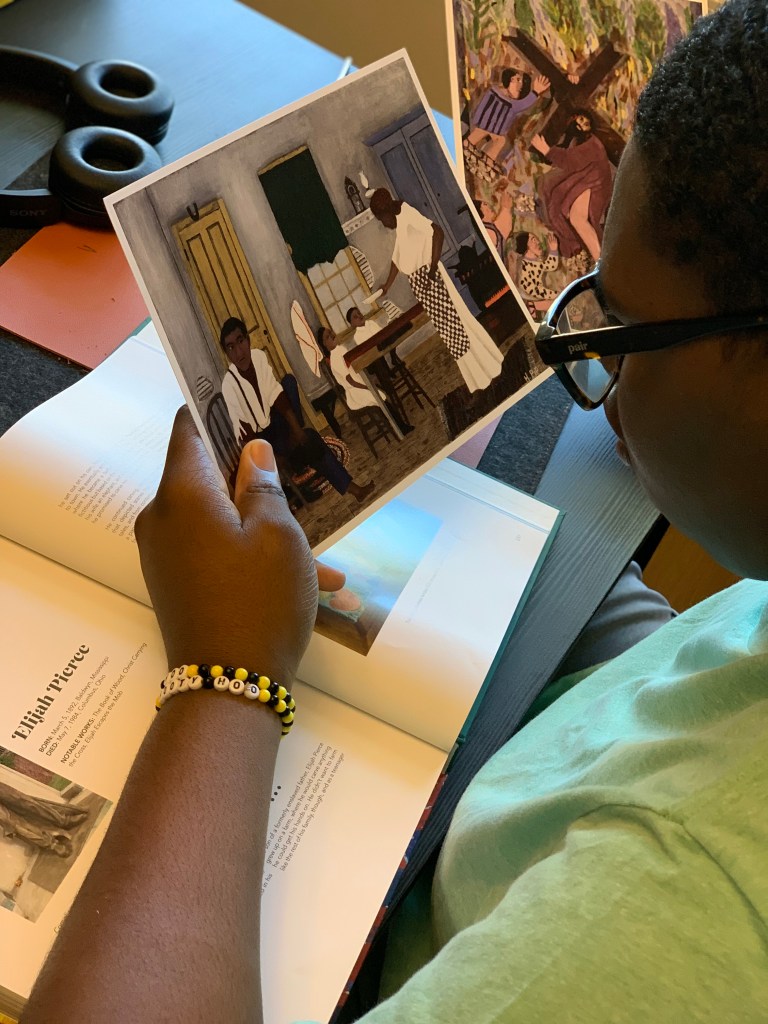
We are certainly no strangers to Beautiful Feet Books. When my son was younger, we thoroughly enjoyed their Around the World series. I still remember some of our favorite lessons on Asia and Africa. To this day, The Story About Ping remains one of my son’s favorite books. Over the years, we also worked through their Early American History and History of California programs, both of which left lasting impressions on our homeschool journey. So when it came time to choose an art curriculum, Beautiful Feet Books was already a trusted name in our home.
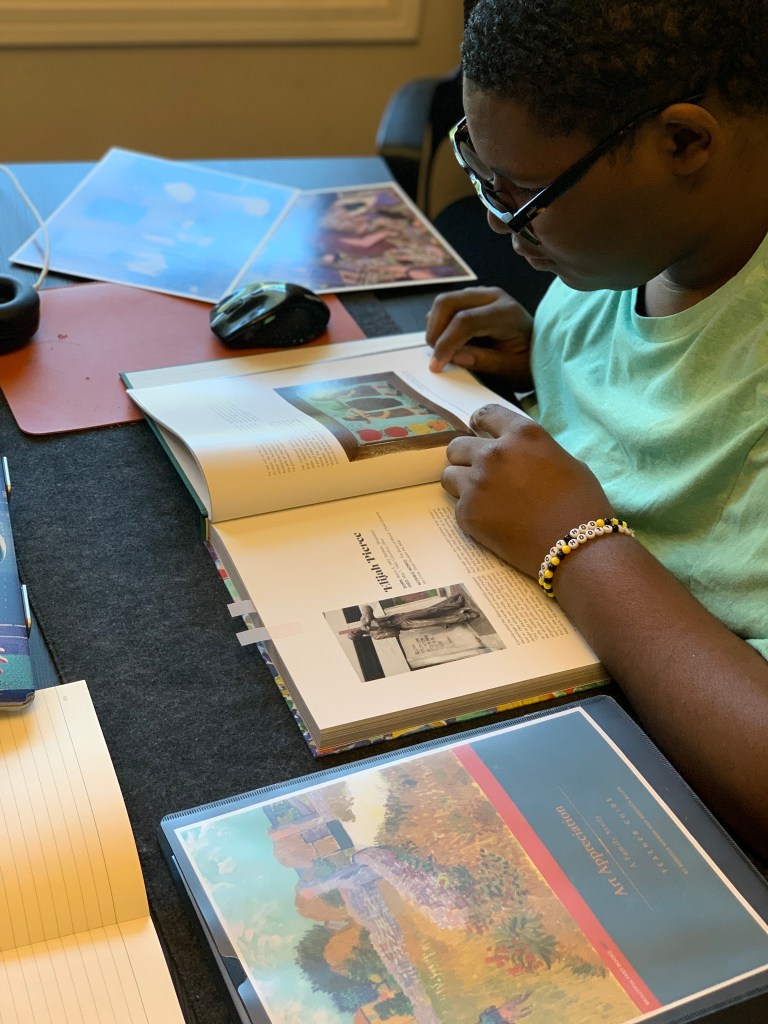
Starting at Lesson 61
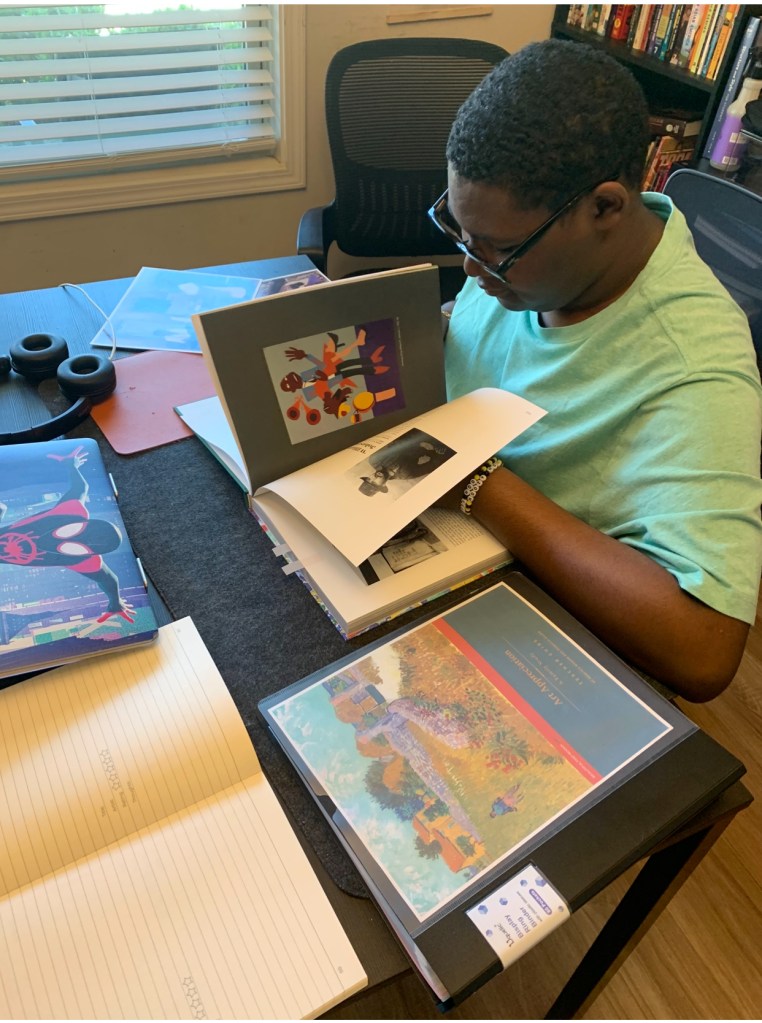
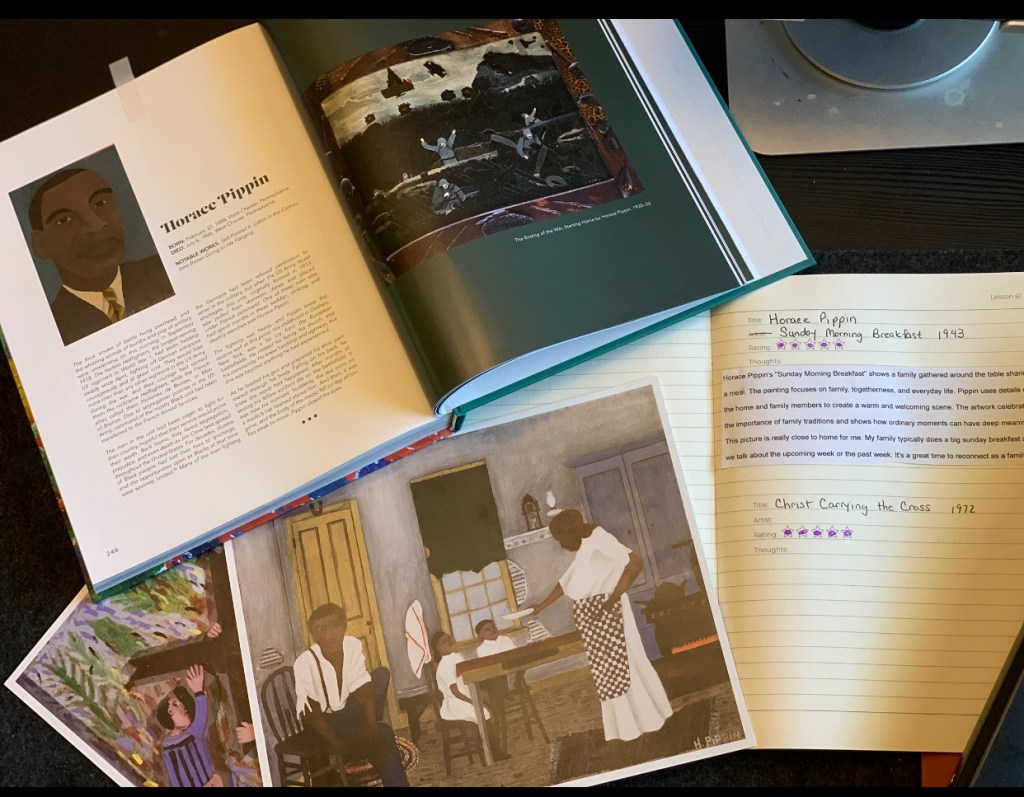
One of the wonderful things about homeschooling is the freedom to customize learning. While most families begin at Lesson 1, we decided to do things a little differently. We started with Lesson 61, featuring Horace Pippin and Elijah Pierce.
Why start there?
At the time, we were deeply immersed in studying World War I and World War II. Horace Pippin’s artwork and personal story connected beautifully to our history studies. As a veteran who served during World War I, Pippin’s paintings provided a unique lens into American history, perseverance, and artistic expression. Elijah Pierce brought another layer of cultural richness to our studies. His wood carvings tell stories of African American life, faith, community, and history. Together, these two artists created the perfect bridge between our history studies and art appreciation lessons. The experience reminded me that art is not a standalone subject. It connects naturally with literature, history, culture, and even personal reflection. We even went down one of the suggested Rabbit Trails and studied about Dave Potter.
How the Curriculum Works
Beautiful Feet Books Art Appreciation is designed as a comprehensive two-year study that introduces students to artists from a wide variety of cultures, backgrounds, and artistic movements. The curriculum is intended for students in grades 5-12 and can easily be completed family style, making it a wonderful option for homeschooling multiple children at once. The program is designed to be completed at a gentle pace of one lesson per week over two years. For high school students, this pacing can translate into a full fine arts credit each year, making it an excellent addition to a high school transcript while still remaining enjoyable and manageable.
One of my favorite features is the thoughtful integration of technology through QR codes. Throughout the guide, students can scan QR codes that connect them directly to artwork, artist resources, virtual galleries, videos, and additional learning opportunities. This feature makes the lessons feel interactive and helps bring the artists and their work to life.
A Typical Lesson
A typical lesson is simple yet incredibly rich. We begin by reading about the artist’s life and historical background. This helps provide context and allows students to understand not only what the artist created but why they created it.
Next, we examine the artwork itself. Students are encouraged to slow down, observe carefully, and think critically about what they see. Rather than simply identifying facts, they learn to ask questions:
- What emotions does this artwork evoke?
- What story is being told?
- What techniques did the artist use?
- How does the artwork reflect the time period in which it was created?
In our homeschool, many of these conversations turned into meaningful discussions about culture, identity, perseverance, and history.
Homeschool Planet Integration
Another feature we absolutely loved was that the lesson plans are available directly through Homeschool Planet. We took full advantage of this feature. The lessons integrated seamlessly into our schedule, allowing me to easily plan, track, and organize our weekly assignments. Having the lessons already mapped out removed much of the planning burden and made it easy to remain consistent throughout the summer. For busy homeschool parents, this integration is a tremendous benefit.
A Diverse and Meaningful Approach to Art
One aspect that truly stands out is the diversity of artists included throughout the curriculum. Students are introduced to artists from different cultures, ethnicities, countries, and artistic traditions. The result is a well-rounded study that reflects the broad and beautiful story of human creativity. As an Afro-Latina homeschool mom, I deeply appreciate seeing artists like Horace Pippin and Elijah Pierce included alongside more traditionally studied artists. The curriculum creates opportunities for students to see themselves represented while also expanding their understanding of the world around them. The lessons naturally invite rabbit trails into history, geography, literature, religion, social studies, and cultural studies. Those unexpected learning moments often became some of our favorite conversations.
Who Is This Curriculum Best For?
Beautiful Feet Books Art Appreciation is an excellent fit for:
- Homeschool families looking for a gentle but meaningful fine arts program.
- Families who enjoy literature-based learning.
- Students in grades 5-12.
- High school students needing fine arts credit.
- Families teaching multiple ages together.
- Students who enjoy history, culture, and storytelling.
- Homeschoolers who thrive with discussion and reflection rather than workbook-heavy instruction.
This curriculum is especially valuable for families who want art appreciation to feel connected to the larger story of humanity rather than simply memorizing artists and paintings.
Final Thoughts
Sometimes the subjects we neglect the most become the ones that enrich our homeschool the deepest. Beautiful Feet Books Art Appreciation arrived at exactly the right time for our family. During a season when we intentionally chose a slower pace, it gave us the opportunity to pause, observe, discuss, and appreciate beauty in a way we had not previously prioritized. What began as an attempt to add art studies to our homeschool quickly became something much more meaningful. Through artists like Horace Pippin and Elijah Pierce, we found connections to history, culture, resilience, and personal expression. Through thoughtful discussions, beautiful artwork, and countless rabbit trails, art became more than a subject it became a conversation.
Beautiful Feet books for a limited time is offering free shipping for US orders only using the code: IHN26FAS through the end of July 2026.
Homeschooling gives us the freedom to follow interests, make connections, and learn in ways that traditional classrooms often cannot. Beautiful Feet Books Art Appreciation embraces that philosophy beautifully. It invites students to slow down, look closely, think deeply, and discover the stories hidden within great works of art. For our family, it filled a gap we didn’t even realize was there. And for that reason alone, it has become one of the most meaningful additions to our homeschool journey.