Curriculum, Denison Math, High School Credit, High School Math, Homeschool, Homeschool High School, Homeschool math

Our Journey Wrapping Up Denison Geometry

This is not a sponsored post!

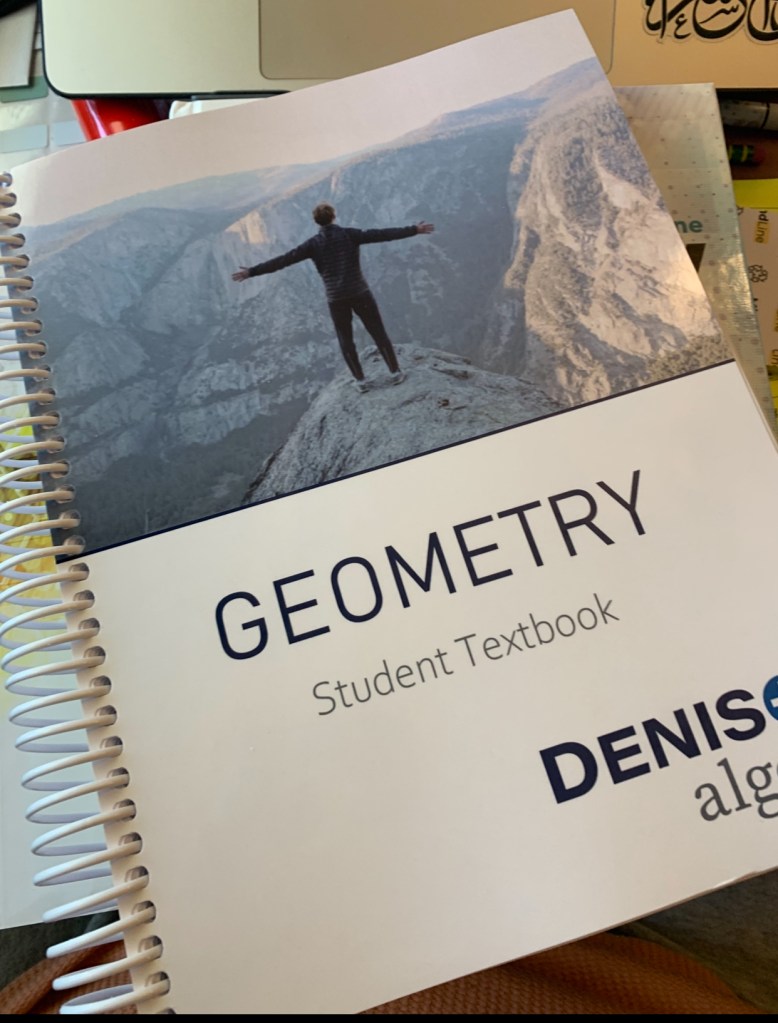
Let me be honest handing my son that big Geometry book from Denison Math made me nervous. Not him… me. And if I’m really transparent, it had nothing to do with the curriculum and everything to do with my own past. Geometry in high school? Whew… traumatic. So when we started this year, I was already on edge, wondering if history would repeat itself. It didn’t. Not even close.

Watching Confidence Replace Fear

My son picked up that book and just… ran with it.
No hesitation. No overwhelm. No “I don’t get this.”

And here’s the part that truly surprised me:

He never once asked for help. Not a single “B.H.A.G.” (Big Hairy Awesome Geometry) was used this year so far.

At first, I was skeptical. I kept waiting for the moment when things would get hard but instead, he kept nailing the concepts. Test after test. Lesson after lesson. And not just Geometry… Denison Geometry continuously weaves in Algebra 1 concepts, so students aren’t just learning new material they’re retaining and applying previous knowledge daily. That reinforcement showed up in a BIG way in our homeschool.

I Had to Test It for Myself

Y’all know I had to see if this was real. So I pulled out:

  • Kumon Geometry problems
  • Mr. D Math
  • My Big Fat Geometry book
  • His SAT prep materials

And guess what?

Same results.

Same confidence.

Same accuracy.

Then my husband and I tested even further using his SAT prep (Kaplan materials), and again he handled both Geometry and Algebra-based problems with ease. At that point, I knew this wasn’t luck. This was MASTERY!

Why You’re Seeing These Results

Here’s what I believe is happening with Denison Math:
1. It Focuses on Conceptual Understanding (Not Busy Work)
Denison cuts out the fluff. No overwhelming pages of repetitive problems. No excessive explanations that confuse more than clarify. Instead, it gets straight to the heart of the math.

2. Spiral Reinforcement Done Right
By consistently integrating Algebra 1 concepts into Geometry, students build long-term retention instead of learning-and-forgetting.

3. Clear Instruction = Confident Execution
The teaching style is direct, approachable, and effective especially for students who don’t thrive with traditional methods.

4. Application Over Memorization
Because students understand why something works, they can apply it across different types of problems even unfamiliar ones.

That’s why my son could jump into outside resources and still succeed.

Let’s Address the “No Proofs” Concern

One common question:

“But Denison Geometry doesn’t include formal proofs…”

And that’s true.

But here’s how we solved it:

  • We supplemented with Khan Academy (Geometry Proofs unit)
  • Added targeted resources from Teachers Pay Teachers

Problem solved.

This actually gave us the best of both worlds:

  • Strong conceptual foundation from Denison
  • Formal proof practice where needed

The “It’s Remedial” Myth—Let’s Clear That Up

I’ve heard it before:

“Denison Math is below grade level.”

Respectfully… that has not been our experience.

Denison is absolutely grade-level math.

What people often misunderstand is this:

More problems ≠ more rigor

Longer explanations ≠ better understanding

Some students don’t need 40 problems to get it.

Some students don’t need complicated explanations

They just need it taught clearly.

And when that happens?

They can take what they’ve learned and apply it to higher-level, more complex problems which is exactly what we’ve seen.

One of My Favorite Features: Two Versions

This is where Denison really stands out.

They offer:

  • Regular Version → Standard instruction and pacing
  • Success Version → More guided support, additional steps, and scaffolded help

Let me tell you… how many times have we all bought a math curriculum and thought:
“I wish there was a version that better fit my child.” Denison actually gives you that flexibility.

And that’s coming from a real math instructor Mr. Denison, who understands what students actually need in a classroom/homeschool setting.

Does Denison Prepare Students for the SAT/ACT?

Yes!

But just like any curriculum, you still need:

  • Dedicated test prep
  • Practice with test-style questions

My son is working through SAT prep alongside his coursework and he’s handling it confidently with no gaps showing up. That says a lot.

Final Thoughts (And a Word to Parents Like Me)

If you’re a parent who still carries a little math anxiety… I see you.

If you’re worried about handing your child a Geometry book… I understand that too.

But here’s what I’ve learned on this journey:

Denison Math didn’t just teach my son Geometry.

It gave him confidence.
It strengthened his foundation.
It helped him move through high school math with clarity and authority.

And maybe most importantly…
It proved that math doesn’t have to be overwhelming to be effective.

Final Words

Denison Math has been a consistent win in our homeschool not because it overwhelms students with rigor, but because it builds true understanding. When a student can confidently take what they’ve learned and apply it across multiple resources, problem types, and even standardized test prep, that’s not remediation that’s mastery. My son isn’t just completing math; he’s owning it. And as a homeschool parent preparing a college-bound student, that level of confidence and capability is exactly what I was hoping for.

And let’s address one more thing because I’ve heard it said before. Some critics have brushed Denison Math off as just another homeschool “fad.” Respectfully… that couldn’t be further from the truth. Denison Math has been going strong for several years, and the feedback is consistent across the board. Parents, high school students, and even college students continue to speak highly of the program and the solid foundation it provides.

This isn’t a trend. This is a program that works and it’s proving itself year after year.


8th Grade, Berean Builders, Friendly Biology, High School, Homeschool Biology, Homeschool High School, Homeschool Honors, Homeschool Honors Science, Oak Meadow, Reviews, Science

Choosing the Right Biology Course: My Top 3 Picks for High School Success

Finding the right high school biology program can be tricky especially when you want something that’s both rigorous and engaging. Whether you’re homeschooling, supplementing a traditional education, or simply seeking the perfect fit for your learner’s style, these three standout programs each bring something unique to the table.

1. Oak Meadow Biology — A Literature-Rich, Honors-Level Course

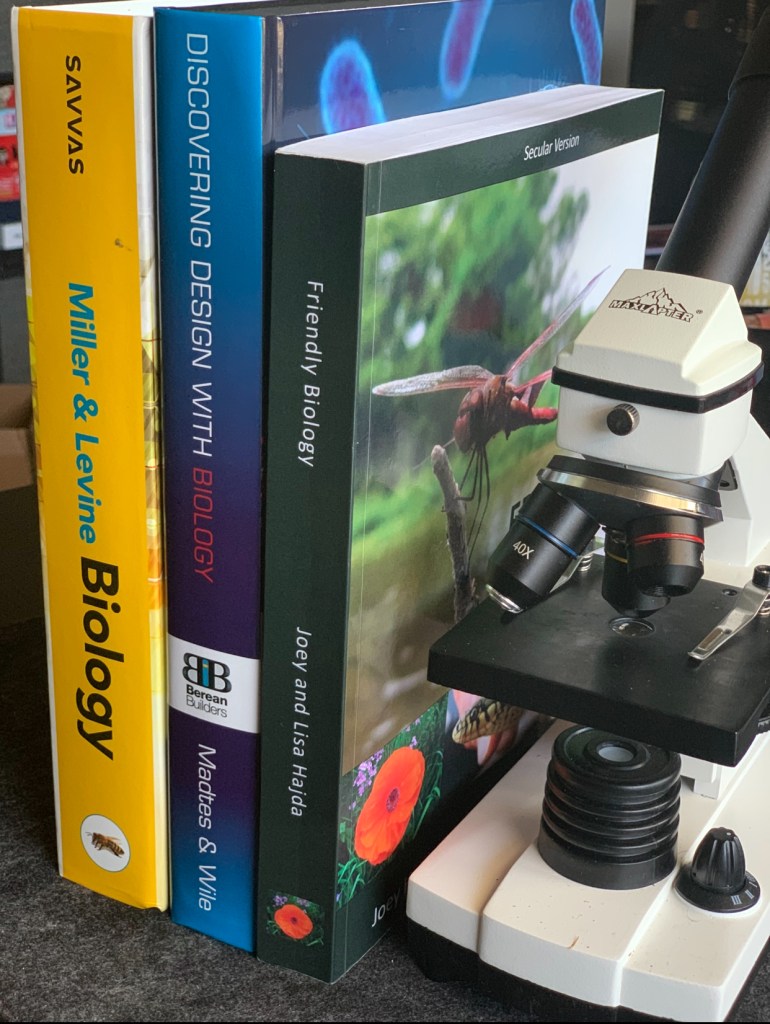
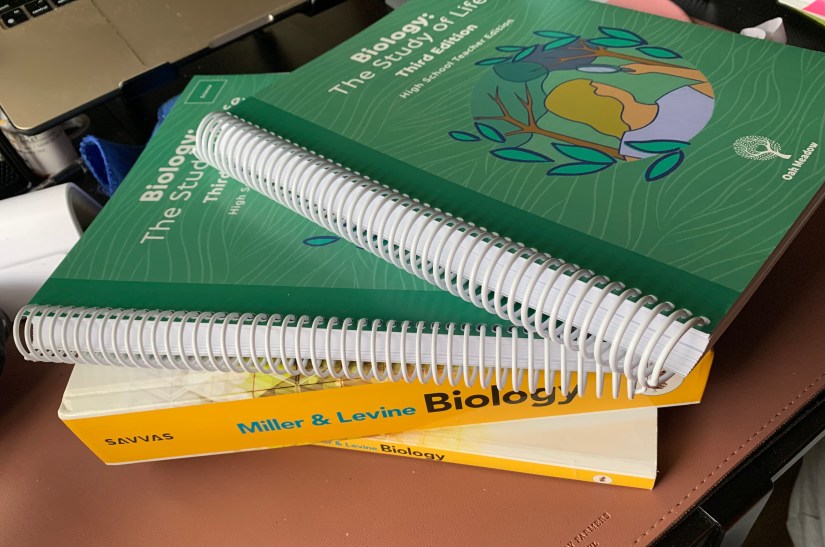
Oak Meadow Biology shines as a flexible and well-rounded curriculum that blends classic science learning with engaging reading and hands-on experiments. This course uses Savvas and the newest Miller and Levine Biology textbook, which are both trusted names in science education. What sets this one apart is its inclusion of literature components, encouraging students to explore biological concepts through stories and critical reading.

  • Best for: Students who enjoy a well-rounded, writing-rich approach to science.
  • Highlights: Includes meaningful lab work, structured yet creative assignments, and the option to customize it into an Honors Biology course for deeper exploration.
  • Why it works: It bridges the gap between textbook science and real-world understanding, making complex topics feel both academic and approachable.

2. Berean Builders Discovering Design with Biology — Tradition Meets Modern Science

Developed by respected scientists with a sound understanding of classical learning, Berean Builders Discovering Design with Biology offers a comprehensive exploration of biology through both a traditional and biotechnology lens. The program emphasizes careful observation, lab investigations, and a genuine understanding of life sciences while weaving in Christian perspectives on creation and the nature of life. The interwoven of the Christian faith is not overwhelming and welcoming to all faiths.

  • Best for: Students from faith-based families who want a strong science foundation that harmonizes with Christian worldview studies.
  • Highlights: True-to-textbook depth, detailed scientific exploration, and optional online classes to expand into Honors-level coursework.
  • Why it works: It connects traditional biology principles with modern biotech insights, helping students appreciate where science and faith can align.

3. Friendly Biology — Self-Paced and Accessible for All Learners

If your student thrives on visual learning and prefers a gentler, more personal pace, Friendly Biology could be the perfect fit. This program is known for its engaging video lessons and clear, simple explanations while maintaining high academic quality. Families can choose between faith-based or secular versions, offering flexibility based on individual beliefs or school requirements.

  • Best for: Students who may feel intimidated by heavy science texts or need a more relaxed, video-supported learning experience.
  • Highlights: Self-paced, video-based learning; adaptable for individual or group study; approachable without sacrificing solid science fundamentals.
  • Why it works: It helps learners build confidence in biology by presenting complex topics through friendly narration and visual reinforcement.

Final Thoughts: Which One Should You Choose?

Each of these Biology programs brings something unique to the table:

At the high school level, Biology is more than just a required science credit it’s an opportunity to shape how your student sees the world, asks questions, and thinks critically about life itself. Whether you choose a literature-rich path like Oak Meadow paired with Miller & Levine, a structured and traditional approach like Berean Builders Discovering Design with Biology, or a flexible, student-led experience like Friendly Biology, the goal is the same: to ignite curiosity, build confidence, and prepare your child for what comes next. The right curriculum doesn’t just teach Biology it empowers your student to engage with science in a meaningful, lasting way.

Art, Homeschool, Homeschool High School, S.T.E.A.M

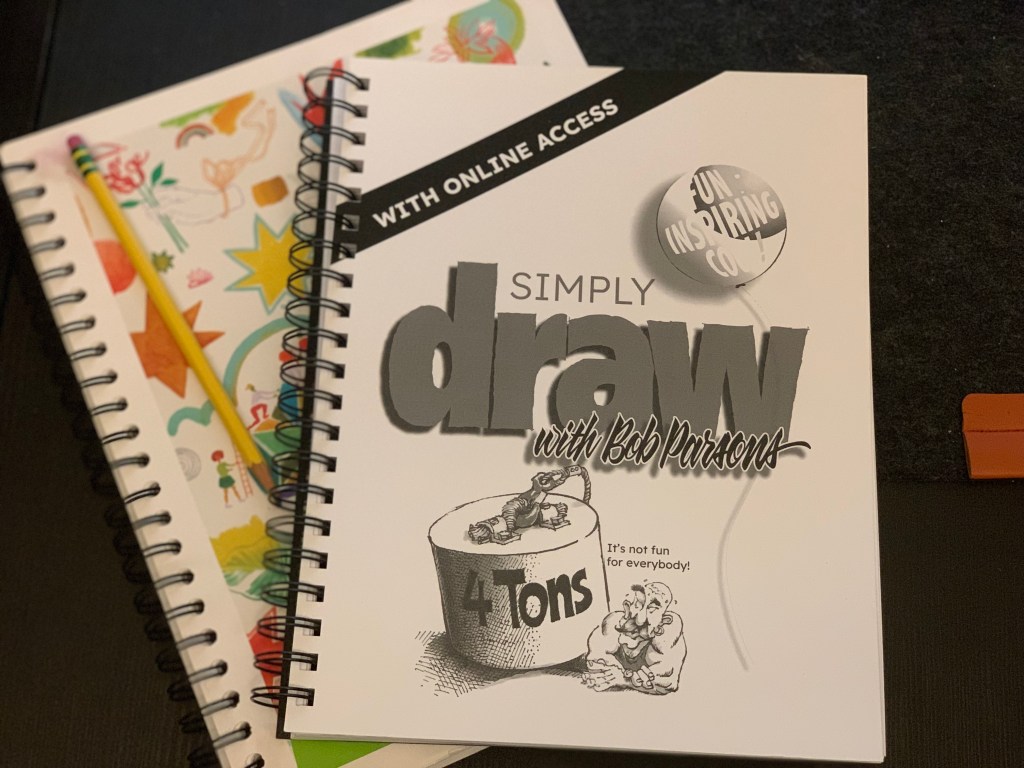
Simply Draw with Bob Parsons: A Simple, Joy-Filled Approach to Art in Your Homeschool

We received Simply Draw with Bob Parsons for our honest review!

I’ll be the first to admit that one of my weaker areas in our homeschool has been Fine Arts. While my son is well-rounded musically he plays piano and trombone and participates in weekly music theory lessons with his instructors—visual art is where I tend to fall short. The interesting part is, my son actually enjoys drawing from time to time. So I knew I needed something that could support that interest without requiring me to become the art teacher. I was looking for a program that was self-paced, easy to follow, and low-pressure, and Simply Draw with Bob Parsons does just that. Even better, this program is included in the Timberdoodle 7th Grade Curriculum Kit, which made it an easy addition to our homeschool lineup.

Why We Chose Simply Draw

We weren’t looking for a formal, technique-heavy art curriculum. Instead, I wanted something that:

  • Encouraged creativity without pressure
  • Could be done independently
  • Fit naturally into our homeschool rhythm (or even free time)

Simply Draw checked every box.

My son has been using it in his spare time, which says a lot because when kids choose to engage with something on their own, you know it’s working. And honestly, I’ve even jumped on the bandwagon and completed a few lessons with him!

How the Program Works

Here’s what makes it work so well:

  • Video-Based Instruction
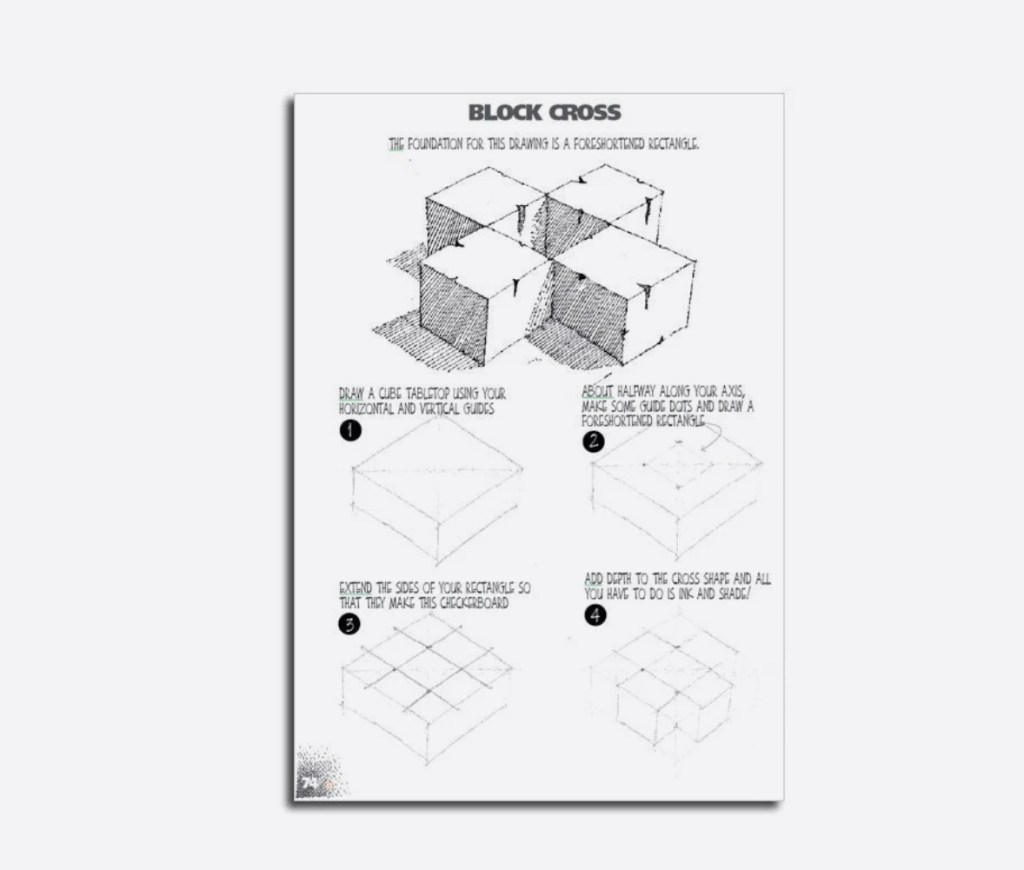
    Each lesson is taught through clear, easy-to-follow videos. Bob Parsons breaks drawings down into simple shapes and lines, making it approachable for all skill levels.
  • Step-by-Step Approach
    Students start with basic forms (circles, lines, shapes) and gradually build them into complete drawings. This removes the intimidation factor that often comes with art.
  • Short, Manageable Lessons
    Lessons are not overwhelming. They are just the right length to keep kids engaged without burnout.
  • Encouraging Teaching Style
    Bob Parsons has a calm, supportive tone that makes kids feel like they can draw—even if they’ve struggled before.

What Students Learn

While it feels fun and relaxed, your child is actually building real art skills:

  • Understanding how to break complex images into simple shapes
  • Developing hand-eye coordination and fine motor skills
  • Learning proportion, spacing, and visual balance
  • Building confidence in creative expression

And most importantly they begin to see themselves as artists.

Our Experience

This program has become one of those “quiet wins” in our homeschool. There’s no resistance. No overwhelm. Just a simple invitation to create. My son enjoys picking it up when he wants to draw, and I love that it doesn’t feel like another assignment. It’s enriching without being demanding. And the fact that I can sit down and do a lesson alongside him has made it even more special.

Who Would Benefit Most

Simply Draw with Bob Parsons is a great fit for:

  • Homeschool families looking for a low-pressure art option
  • Students who enjoy drawing but need guidance and structure
  • Beginners who feel intimidated by traditional art programs
  • Middle schoolers who want a creative outlet without heavy instruction
  • Parents who prefer independent, self-paced electives

It’s especially ideal for kids like mine those who enjoy art here and there but don’t necessarily want a full, intensive curriculum.

Final Thoughts

If you’re looking for an art program that blends simplicity, creativity, and flexibility, Simply Draw with Bob Parsons is a wonderful addition to your homeschool. It meets students where they are, builds confidence step-by-step, and keeps art enjoyable—which, in my opinion, is exactly what art education should do. And the fact that it’s included in the Timberdoodle 7th Grade Curriculum Kit makes it an easy, valuable resource for any homeschool family wanting to add meaningful creativity into their day without adding stress.

Computer Technology, Curriculum Resource, Education, High School, High School Credit, Homeschool, Homeschool High School

From Gamer to Creator: How Unity Game Programming Turned My Son’s Passion into Real Skills

We received CompuScholar Unity Game Programming for our honest review!

I’m always looking for ways to turn my son’s natural interests into meaningful learning opportunities. One thing about him—he loves video games. But beyond just playing, he started asking deeper questions about how they’re made and what goes on behind the scenes. That curiosity led us to CompuScholar’s Unity Game Programming course, and it has been such a rewarding way to take something he enjoys and transform it into real, skill-based learning. Once he finishes the program I can award him 1 high school credit for his computer science requirement.

About CompuScholar

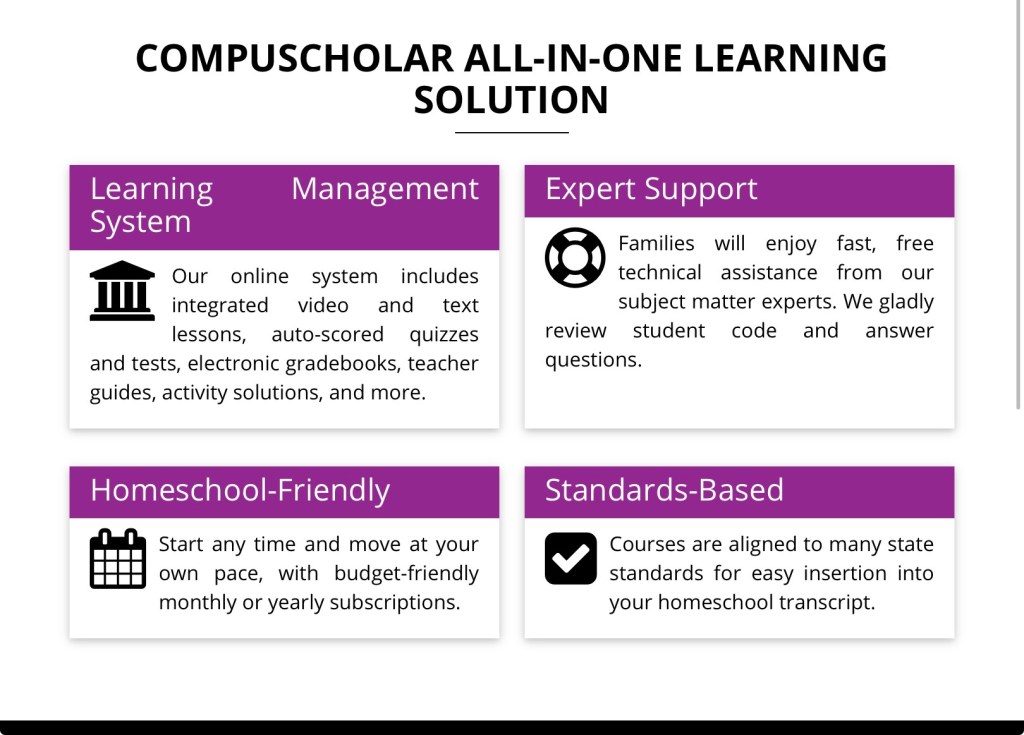
CompuScholar offers a variety of online computer science and digital literacy courses designed specifically for middle and high school students, including subjects like Python, Java, web design, and game programming. These courses are self-paced, homeschool-friendly, and built to help students develop real-world tech skills while earning credit for their transcripts. What I love most is that their courses are structured like true high school electives but still flexible enough for homeschool families.

Screenshot

Unity Game Programming: A Deep Dive Into Game Design

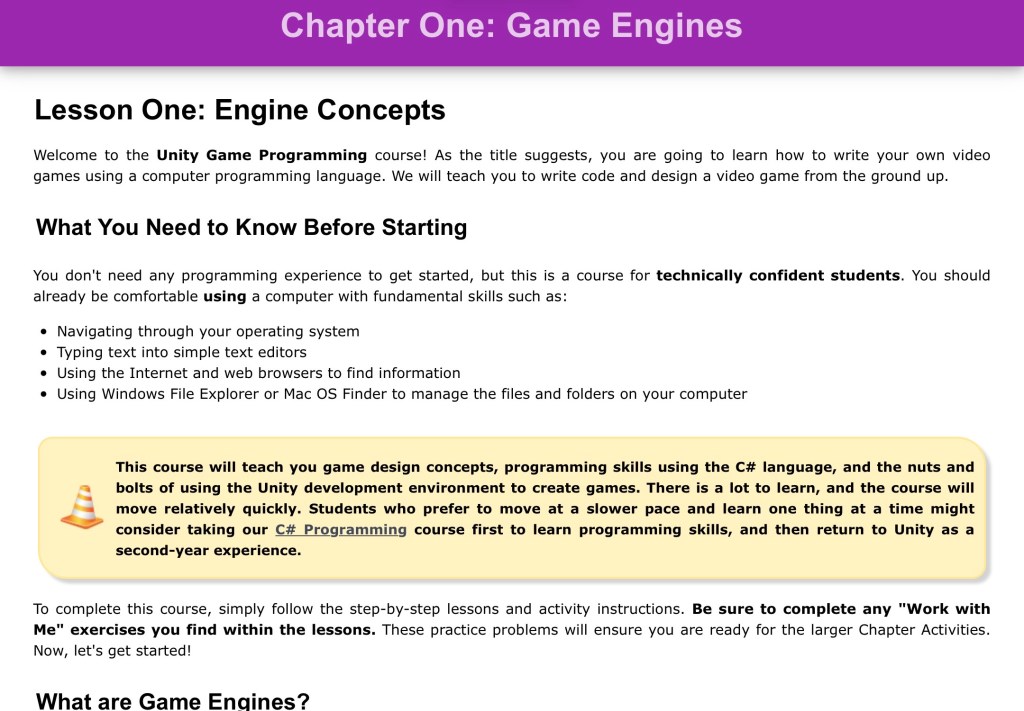
Unity Game Programming is where things really get exciting especially for students who love gaming.This course uses the Unity game engine to teach students how to design and build their own games while learning C# programming from the ground up. And let me just say this is not a surface-level class. This is a true, in-depth look at game development.

What Students Learn

Students don’t just “play around” with coding they learn:

  • Game engines and how they work
  • C# scripting and coding fundamentals
  • 2D game physics and mechanics
  • Animation, sound effects, and game art
  • Object-oriented programming
  • Debugging and problem-solving
  • Artificial intelligence in games
  • Full game design strategy and development

By the end of the course, students are actually creating their own games walking through the entire development process from idea to final product.

How the Program Works

One of the things I appreciate most as a homeschool parent is how well-structured this program is.

  • Lesson Text + Instructional Videos – Students learn concepts step-by-step
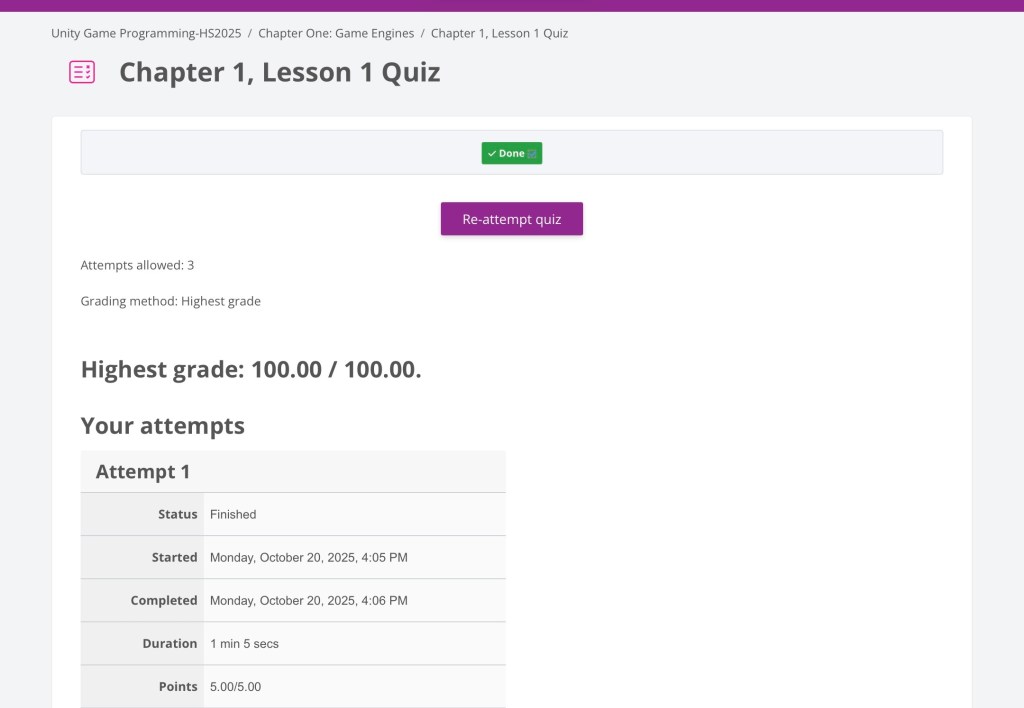
  • Quizzes & Chapter Tests – Automatically graded (huge win!)
  • Hands-On Projects – Every chapter includes coding labs
  • Parent-Friendly Rubrics – Easy grading for project work

The course is designed as a full-year (2 semester) program, typically taking about 3–5 hours per week. It’s self-paced, which makes it perfect for homeschool schedules.

Screenshot

What Makes This Program Stand Out

What really stood out to us is how this course teaches students to think like developers not just follow directions. Students learn how to:

  • Plan a game
  • Build it step-by-step
  • Test and debug it
  • Improve and refine their work

It’s not just coding it’s critical thinking, logic, and creativity all in one.

Perfect for Homeschool Electives

One of my favorite things about this program is that it works beautifully as a:

  • High school computer science credit
  • STEM elective
  • Career exploration course

It’s rigorous enough to count on a transcript while still being engaging and fun. Even better this course is included in the Timberdoodle Co. 12th Grade Curriculum Kit, which makes it an easy addition for families already using Timberdoodle.

Screenshot

Why It Works So Well for Homeschoolers

From a homeschool perspective, this program checks all the boxes:

  • Flexible, self-paced structure
  • Minimal parent prep required
  • Auto-grading for quizzes/tests
  • Clear lesson progression
  • Real-world, applicable skills

It allows students to work independently while still producing meaningful, measurable results which is something we all want as homeschool parents. If you have a student who loves gaming and is constantly asking “how does this work?”, Unity Game Programming is such a powerful way to turn that curiosity into a real skill. For us, it took something my son already loved and transformed it into purposeful learning, creativity, and future career exploration. And honestly that’s what homeschool is all about.