
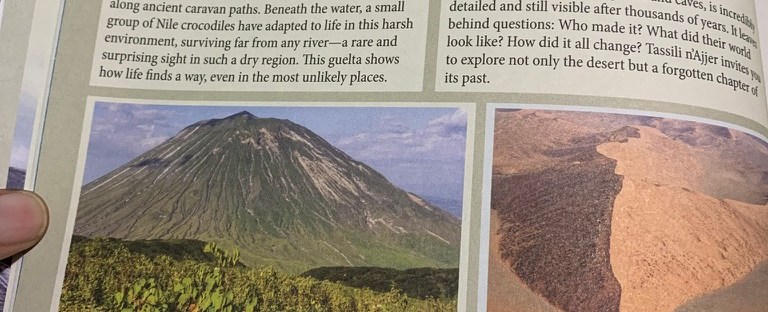
We received World Geography & Cultures from Masterbooks for our honest.
Finding a high school geography course that goes beyond memorizing maps and capitals can honestly be difficult. Many high school world geography programs tend to skim over cultures, provide surface-level geography, or fail to help students truly connect how geography impacts history, economics, religion, government, and daily life. After taking a deep dive into World Geography & Cultures from Master Books, I was genuinely impressed by how much depth, intentionality, and flexibility this curriculum offers for homeschool high school families.
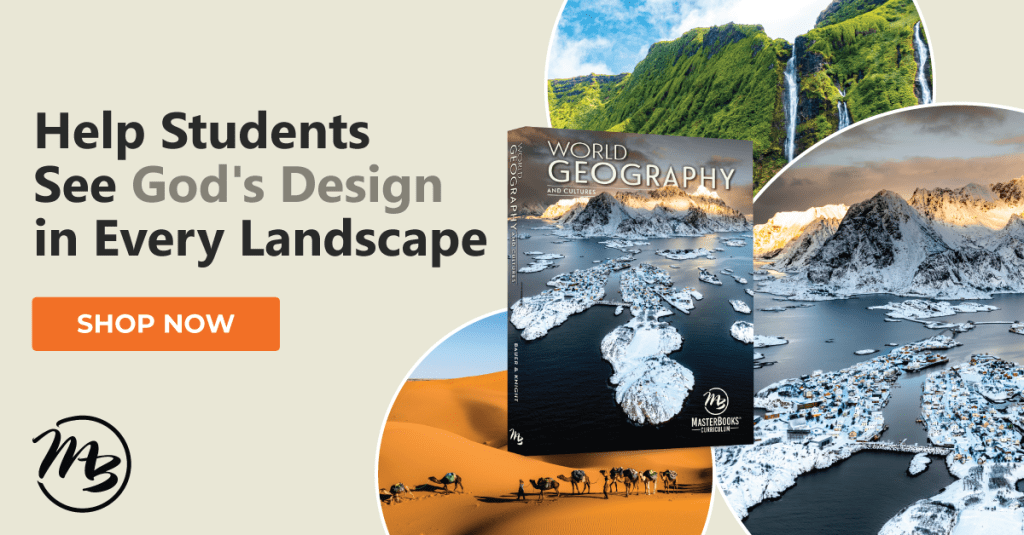
This curriculum is far more than a simple geography course. It blends geography, culture studies, worldview discussions, writing, economics, and character development into one comprehensive high school program that can easily become part of a strong transcript-building plan for college-bound students.
One of the biggest things that stood out to me immediately was the structure of the course. The curriculum includes both a student book and a teacher guide, making it incredibly parent-friendly while still maintaining a solid high school level of rigor. The teacher guide lays out easy-to-follow daily lessons, assignments, discussion prompts, and guidance that helps families stay organized without feeling overwhelmed. For busy homeschool parents, this is a huge win.
Where Many High School Geography Programs Fall Short
One issue I often notice with many high school world geography courses is that they focus heavily on physical geography while barely touching the people, traditions, belief systems, or cultural identities connected to those regions. Students memorize locations but never truly understand the heartbeat of the nations they are studying. World Geography & Cultures does not make that mistake.
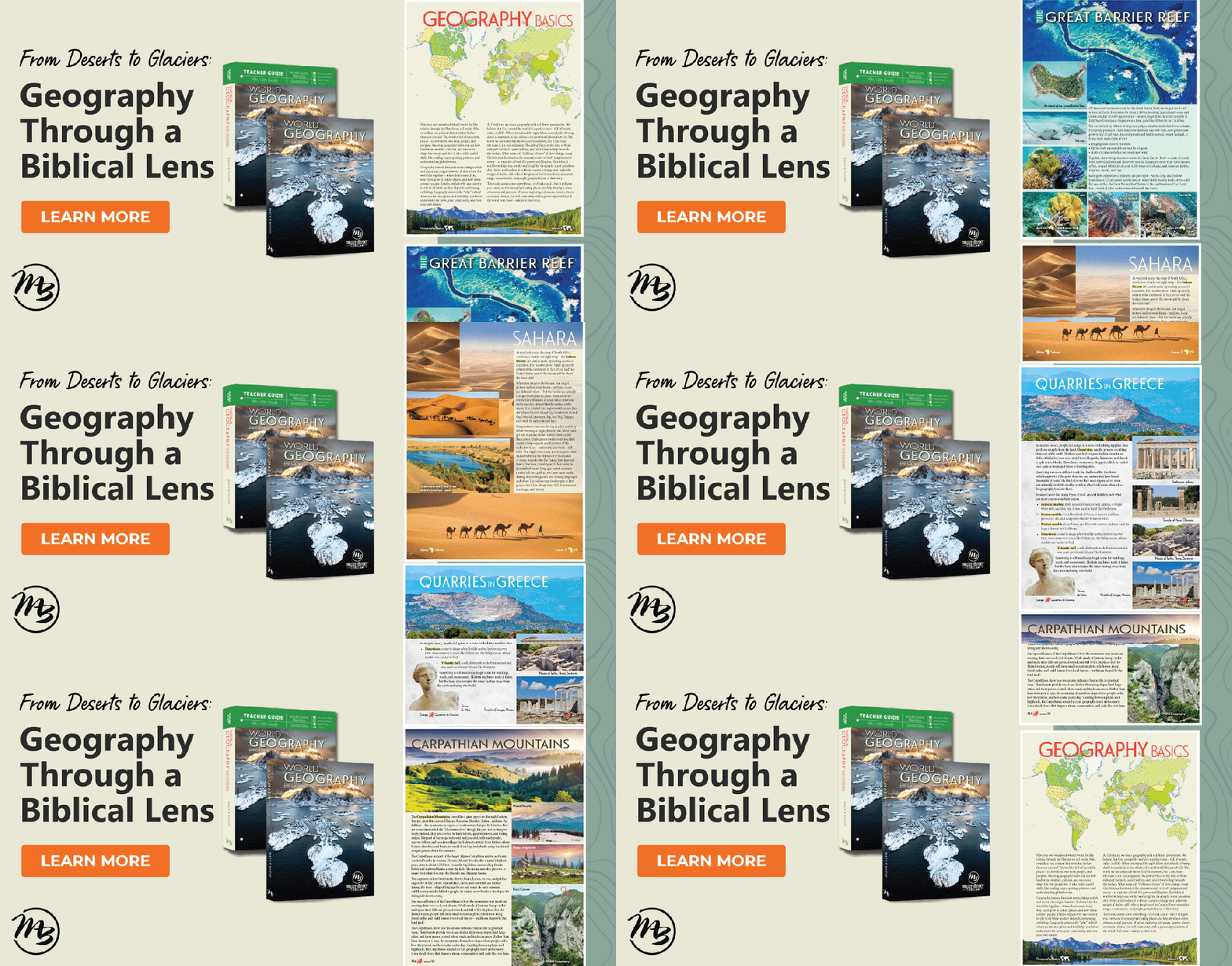
Instead, Master Books does an excellent job connecting geography to culture, economics, faith traditions, historical development, government structures, and daily life around the world. Students begin seeing how geography shapes civilizations and how cultures adapt based on climate, resources, religion, trade, and regional history.
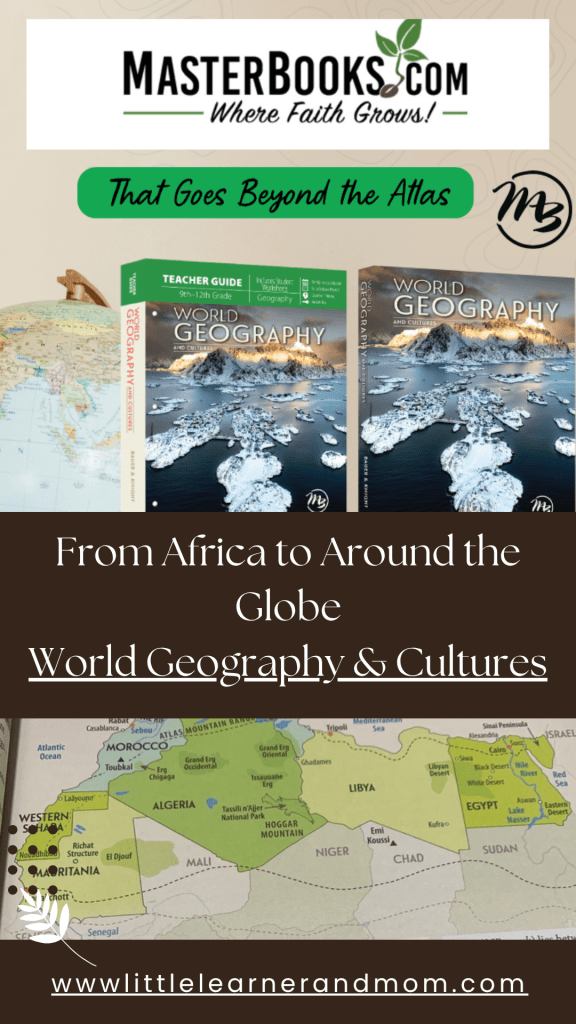
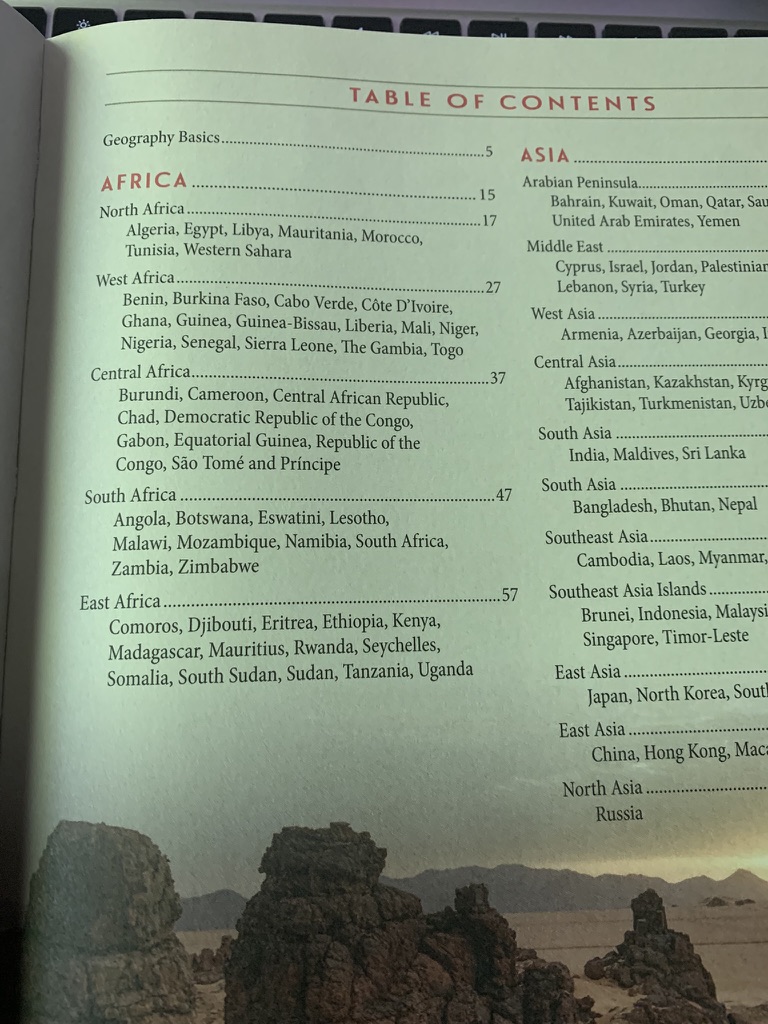
I was especially impressed with the curriculum’s deep dive into African geography and culture. Too often, African studies are condensed into a few pages or presented through a very narrow lens in traditional programs. I appreciated that this course actually begins with Africa and gives students a more meaningful understanding of the continent’s geography, regions, people groups, resources, traditions, and cultural richness. That alone made this curriculum stand out to me because Africa deserves more than a brief overview in world studies.
The cultural component of this course also makes it an excellent addition to humanities studies. Students are not simply learning “where” places are located they are exploring how people live, think, worship, build communities, and interact globally. That broader worldview approach helps students develop empathy, understanding, and compassion for people from different backgrounds and experiences.
Multi-Credit Potential for High School Students
One of the strongest aspects of this curriculum is its flexibility for transcript planning. Homeschool parents looking to maximize credits while keeping learning connected will appreciate the multiple ways this course can be used. Depending on how deeply families expand assignments and supplemental work, World Geography & Cultures could potentially support credits in:
- World Geography
- Cultural Studies
- Humanities
- Religious Studies
- Economics
- Writing/Composition
- Social Studies electives
This makes the curriculum especially valuable for homeschool high school students who are building comprehensive transcripts. Families can strengthen the course further through research papers, presentations, current events analysis, journaling, map work, documentaries, cultural cooking projects, literature pairings, or worldview discussions.
For students interested in missions, international relations, law, ministry, political science, global studies, anthropology, or humanities, this course creates a strong foundation for deeper high school learning.
Standout Features of the Curriculum
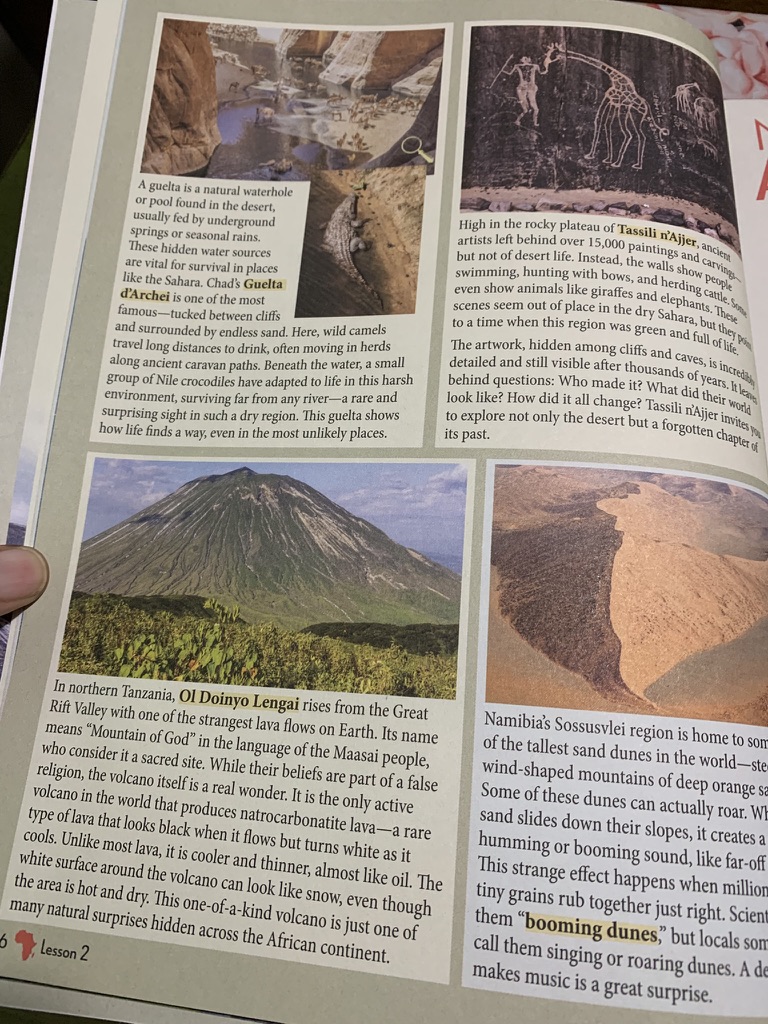
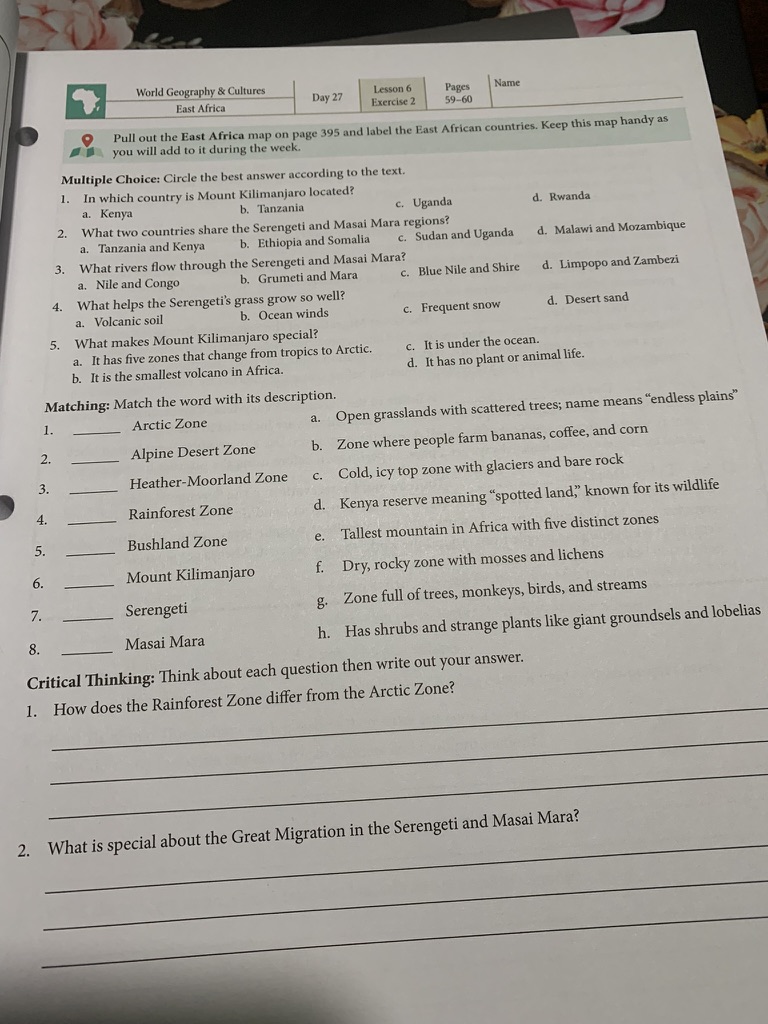
One of the most impressive aspects of Master Books World Geography & Cultures is how thoughtfully it combines geography, culture, worldview, economics, writing, and character development into one cohesive course. The curriculum includes both a student text and a teacher guide, making it easy for parents to implement while still providing a rigorous high school experience. The daily lesson plans are clearly laid out and simple to follow, removing much of the planning burden from homeschool parents. Students are encouraged to engage with the material through map work, research, writing assignments, and meaningful discussions that help them connect geography to real-world issues and cultures. Another standout feature is its flexibility. Families can complete the course in a traditional school year or stretch it over multiple years to create a richer humanities experience. The curriculum also offers excellent transcript-building potential, allowing families to incorporate elements of geography, cultural studies, writing, economics, and religious studies into their high school plans. Perhaps most importantly, Master Books does an exceptional job of fostering character, compassion, and global awareness, encouraging students to develop empathy and understanding for people and cultures around the world.
Who Would This Curriculum Be a Good Fit For?
I think this course would be an excellent fit for:
- College-bound homeschool high school students
- Families wanting a strong humanities approach
- Students interested in global studies or missions
- Students who enjoy cultural studies
- Parents looking for transcript-building flexibility
- Families wanting a faith-integrated worldview approach
- Students who thrive with discussion-based learning
- Homeschoolers seeking deeper world geography studies
It would also work beautifully for co-ops, family-style learning, or independent high school students who enjoy research and exploration.
A Note About the Faith-Based Perspective
One aspect homeschool families should be aware of is that Master Books World Geography & Cultures is written from a Christian worldview. Throughout the course, students will encounter faith-based discussion questions, worldview reflections, and occasional references to Christianity as it relates to various regions and cultures around the world. However, I found that these sections are generally easy to navigate for families from different faith backgrounds or those who prefer a more secular approach. The geography, cultural studies, economics, and humanities content remain the core focus of the curriculum, and the faith-based questions can often be omitted, rephrased, or adapted to align with your family’s own beliefs with very little effort. Personally, I felt that skipping certain questions or modifying them to encourage broader critical thinking did not take away from the overall quality or educational value of the lessons. The curriculum’s strengths in geography, culture, and global understanding remain intact, making it a flexible option for a wide variety of homeschooling families who are willing to make minor adjustments where needed.
Final Thoughts
Overall, I walked away highly impressed with World Geography & Cultures from Master Books. This curriculum goes beyond basic geography and creates an immersive learning experience that helps students connect geography, culture, worldview, economics, and humanity in meaningful ways.
For homeschool high school families looking for a flexible, transcript-friendly course that encourages both academic growth and compassionate global understanding, this curriculum is absolutely worth considering. The combination of strong geography instruction, cultural depth, writing integration, and humanities potential makes it one of the more unique high school geography options currently available for homeschoolers today.