8th Grade, Family Life, High School, Homeschool, Middle School

The Highs of Homeschooling: From a Middle Schooler Point of View!

Hey y’all!
I’m J aka the Middle Schooler/High schooler who’s been homeschooled for a few years now. Few years? Nah we been at this since the beginning. Being an African American and Latino pre-teen at home has been… interesting, to say the least. There are definitely some big wins that make it worth it. Can you believe my mom let me guest write on her blog this month???? Anyways here’s my take:

The Highs

Go at My Own Speed

I can zoom through math when it clicks, and slow down on the parts that trip me up. No rushing, no judgment, just learning at a pace that finally makes sense.

Sleep? Yes Please

Sometimes I sleep in till 9… okay, once I even started school at 12. My mom wasn’t thrilled, but hey no alarm clocks, no freezing bus rides, just me and my cozy bed.

Learning My Way

I get to explore stuff I actually care about like African American history, coding, or books by Black authors. That freedom makes school way more interesting than endless worksheets and lectures.

Family Time = Bonus

Being home means more family time. We celebrate wins together, talk about tough stuff, and I don’t feel like just another student lost in a crowd.

Video Games = Study Break (Mostly)

One of the best perks? Gaming after I finish my work. Picture this: it’s Friday afternoon, I’ve crushed all my lessons, and I’m ready for Apex on my Switch.

But then I see it: 2-hour time limit.

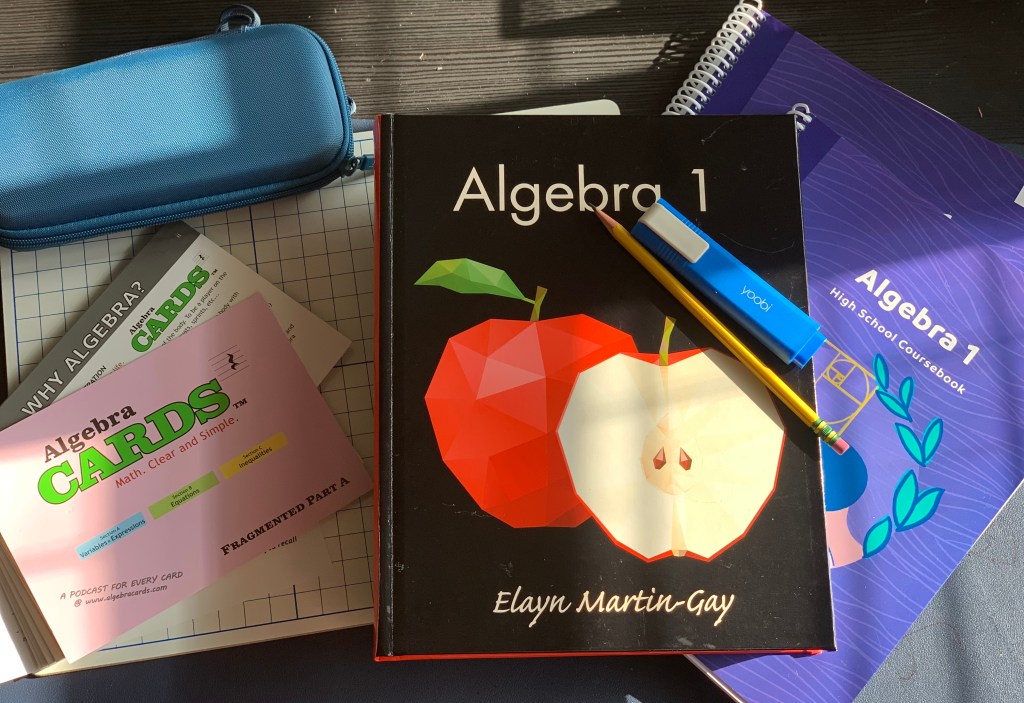
AHHHHHHHHH! Seriously, Mom?! I just aced algebra! Outside I’m like, “I’m good.” Inside? Total meltdown.

That’s life with an overprotective mom—always worried about too much screen time, too much sugar, too much everything. She means well, but sometimes I just want to breathe. Even with her rules, gaming still feels like the ultimate homeschool reward.

The Real Deal

Okay, now that I knocked out all the fun stuff, let me tell you the truth: homeschooling is hard work. It’s not all gameschooling and sleeping in.

Most homeschoolers do school year-round lighter in the summer, heavier during the regular school year. And every state has its own requirements. I’m fortunate my mom, like a lot of moms, stays on top of it.

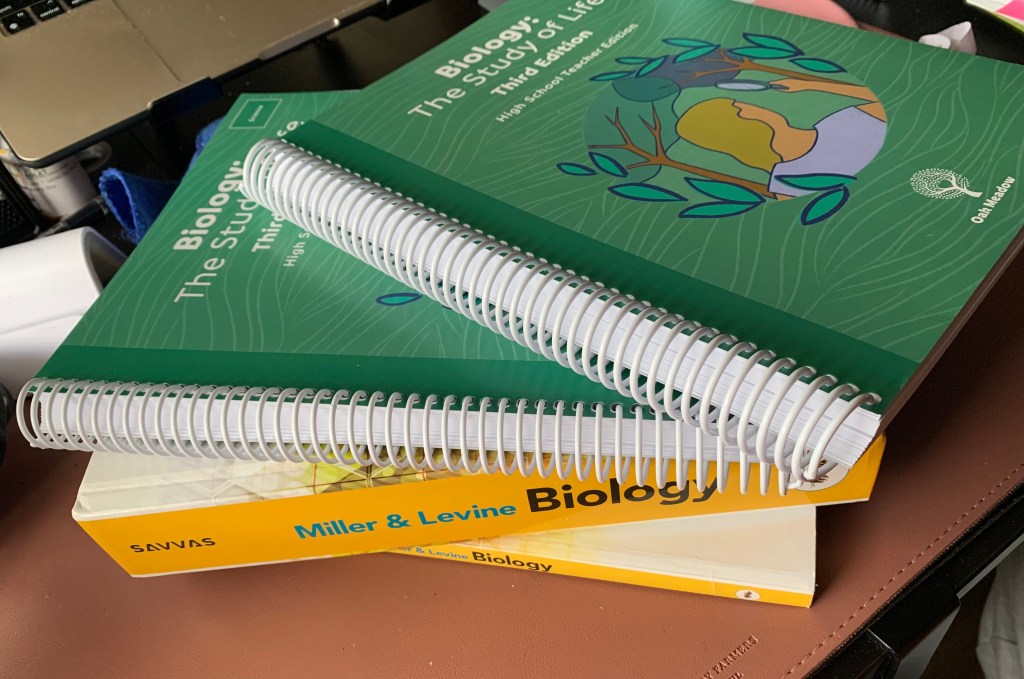
What’s been great recently is that my parents are letting me chart my own course. No class, no teacher, no book, no outing is decided without me having a say. It feels like a preview of college, where you pick your own classes and set your own goals. My mom always says, “You have to want it for yourself.” I am working on my time management and its coming along nicely I might say so myself. My mom and dad let me drop the live Honors Biology class. It was moving too slow and the live classes were just doing the labs. I don’t need to sit in a class to do a lab. So I elected to do the pre-recorded class and that way I don’t have to log on, take time away from other things. I do the lab turn in my report and BOOM I am done!! I take classes online with John Hopkins Center for Talented Youth, this has been a HUGE game changer for me.

I’m not wasting my time, my parents’ time, or their money. We’re a team that’s what makes this work. My mom told me she had to give herself a reality check too, because at the end of the day, the stakes are mine. That means no wasting time or money on things that don’t move me toward my end goals. Ultimately, my parents get the final say but trust me, my voice is always in the mix. I am also navigating friendships and socialization differently this year.

Cellphone

I still don’t have a cellphone, but my parents are moving to get me a Gabb Wireless phone, because my Gabb watch has gone crazy!! Like seriously it has gone bonkers doing all kinds of weird things. My Gabb watch was good to me over the last several years and I loved it. I am okay with not having a phone at the moment, but since my homeschool groups tends to do activities that parents just drop off, my parents have decided for safety reasons it time to upgrade. Gabb has been trusted by my family for a few years now. I agree, I have no need for social media and all the stuff that has turned kids into phone zombies. So just like my Gabb Watch it will be just for communication with my parents and few trusted friends.

Beyond the Books

Outside of video games, I’m staying busy. I’m on a debate team, part of a teen law program, into public speaking, and I volunteer at our local masjid. I also tutor younger kids, which keeps me sharp and gives back to my community. I recently joined a program for young black and brown aviators. I also still do piano.

Homeschooling doesn’t mean being stuck at home either I’m fully engaged in my homeschool group and we travel a lot as a family these days. We just got back from a mini trip. We’re headed to Rome in January and Puerto Rico in the spring.

Final Thoughts

Homeschooling is freedom, responsibility, personal growth and teamwork all rolled into one. Sure, I love the flexibility and late mornings, but what makes it lit for me is being part of the decisions, setting my own goals, and growing through real experiences. Sure, sleeping in, starting school late, or dealing with screen-time limits makes me roll my eyes sometimes but I get to learn my way, live on my own schedule, and still fit in epic gaming sessions.

So yeah, homeschool life? I wouldn’t have it any other way. I think I like this blog thing may have to convince mom to let me write again.

Curriculum, Digital Learning Platform, Homeschool, Homeschool Record Keeping

Tracking Progress, Building Confidence: How Khan Academy Supports Our Middle School Homeschool

As a middle school homeschool mom, finding the right resources to support my son’s learning has always been a top priority. This year, Khan Academy has been a game-changer for us especially with the Parent Dashboard. The platform not only provides high-quality lessons and practice but also gives me the tools I need to track progress, assign work, and keep both myself and my son accountable.

How the Parent Dashboard Works

The Khan Academy Parent Dashboard allows parents to create and manage up to 10 student accounts under one parent profile. Once a student account is set up, I can:

  • Assign lessons and practice in any subject area.
  • View detailed reports of time spent, skills practiced, and mastery levels.
  • Monitor progress over days, weeks, and months.
  • See which lessons are completed and which ones need more attention.

For me, this dashboard has been invaluable. It eliminates the guesswork of whether my son is “just doing something online” or actually working through the material in a meaningful way. I can log in, see his progress in real-time, and identify strengths and weaknesses right away.

Why It Works So Well for Middle School Homeschooling

Middle school is a critical stage for building independence, but students still need structure and accountability. The Parent Dashboard strikes the perfect balance:

  • Student Ownership: My son enjoys checking off lessons and seeing his progress badges. It motivates him to stay consistent.
  • Parental Oversight: I can keep an eye on his work without hovering over him. This lets him feel more independent while still having clear expectations.
  • Accountability for Both: If something isn’t completed, the dashboard makes it easy to see exactly where he stopped. It holds him accountable to his learning goals, and it holds me accountable to follow through as his teacher.

A Huge Help for Science, Especially Biology

This year, we’ve been using Khan Academy to supplement our homeschool biology curriculum. The videos, diagrams, and practice exercises have been an excellent companion to our main program. My son often watches a lesson on Khan Academy after we cover a topic in his textbook, which reinforces the concepts and gives him another way to process the information. The interactive elements keep him engaged and help deepen his understanding of topics like cell structure, genetics, and ecosystems.

Benefits of Using the Parent Dashboard

Some of the biggest benefits we’ve experienced include:

  • Free access to high-quality lessons in multiple subjects.
  • Ability to assign and track lessons across math, science, history, and more.
  • Customizable pacing, so we can slow down or speed up as needed.
  • Clear, easy-to-read progress reports.
  • One central hub for monitoring multiple children (up to 10 accounts).
  • Encourages both independence and accountability in students.

Who This Is Ideal For

The Khan Academy Parent Dashboard is ideal for:

  • Homeschool families who want to supplement their main curriculum with structured online.
  • Parents looking for a free accountability tool to track their child’s academic growth.
  • Families with multiple children who need an easy way to manage lessons in one place.
  • Middle schoolers who are ready for more independent learning but still need guidance and structure.

Final Thoughts

Khan Academy has been one of the most valuable supplemental tools in our homeschool this year. The Parent Dashboard gives me peace of mind because I know exactly what my son is working on and how he’s progressing. It keeps us both on track, makes learning interactive, and supports a wide range of subjects without any added cost. For homeschool moms looking to enhance their child’s education while also maintaining accountability, the Khan Academy Parent Dashboard is an excellent resource.

African American History Curriculum, African History, African Studies, African Studies High School, African Studies Middle School, Black History, Curriculum, Diverse History, Homeschool, homeschool curriculum, Inclusivity, US History

Flipping the Script: Teaching History Through Unheard Voices

Choosing a history curriculum this year was not an easy task it was a huge struggle. I knew from the start that we didn’t want to spend weeks reviewing early U.S. history. Both my son and I wanted something different: a curriculum that allowed us to dig deeper into Indigenous, African, Hispanic, and Asian history, and to start our study at Reconstruction instead of repeating material we’ve already covered over and over again.

As my son often reminded me, “I know all of this why do we have to spend so much time going back through slavery?” I realized he was feeling the same way I was tired, re-traumatized, and ready to move forward. That’s when I decided it was time to shake things up and seek out resources that honored voices often left out of the mainstream narrative.

Why We Passed on a Traditional Approach

Most history curriculums for middle and high school start with the same framework: early exploration, colonial America, and then a heavy emphasis on slavery and the Revolutionary era. While important, this wasn’t what we needed this year. We wanted to move forward into parts of history that aren’t often highlighted, such as the Black towns that thrived in the late 1800s and 1900s, the rise of Black-owned banks, and the housing struggles that shaped African American communities.

We also wanted to explore the roles Indigenous, Asian, and Hispanic Americans played after the Civil War topics like the Chinese Exclusion Act, the Dawes Act, landmark court cases involving Black and Brown communities, the Chicano Moratorium, the Black Panther Party, and the Young Lords.

Shifting Perspectives: A Standout Choice

One of the first curriculums that caught our attention last year was Shifting Perspectives by Tanya Adkins. This resource instantly resonated with us. It didn’t shy away from hard truths, but instead encouraged students to engage thoughtfully with history.

What I loved most was how it revisited parts of U.S. history that we hadn’t fully covered in depth, filling in gaps while keeping the focus beyond the same repeated storylines. My son was excited about the structure, and we’re already eagerly awaiting the release of Volume 2. For those areas we wanted to revist this year they are on the list and planned out.

For anyone looking to bring in Afrocentric perspectives that go beyond surface-level coverage, this curriculum is a gem. Be sure to check out my full review of it for more details!

Mint & Bloom: Fresh Voices in History

Next, I flipped through Mint and Bloom’s new Middle School/High School History curriculum when it dropped this summer and was impressed by how they flipped the narrative. Their approach intentionally gives voice to the unheard and emphasizes stories that often get overlooked in standard textbooks.

I especially appreciated:

  • Interactivity: Activities that get kids thinking, analyzing, and connecting the past to the present.
  • Representation: Their textbook selections felt intentional and inclusive, bringing in diverse perspectives.

While we won’t be using it as a standalone this year, Mint & Bloom is going to be a strong partner in shaping our history journey, the great part is I already owned about 90% of the books

Oh Freedom High School: Pieces We’re Keeping

We also considered Oh Freedom High School, but ultimately Volume 1 wasn’t a perfect fit for what we were looking for this year. Still, I couldn’t walk away from it entirely. I really liked the journal component and some of the book selections, which we’ll be weaving into our studies.

Sometimes the best curriculum isn’t an all-or-nothing choice it’s about pulling what works for your family and leaving the rest.

Creating Our Own Path

After reviewing these resources, I decided to merge the best parts of each and write our own history plan. This way, we can focus on the topics that matter most to us: the hidden stories, the overlooked communities, and the rich contributions of people who shaped history but rarely get center stage in textbooks.

This blend allows us to honor Reconstruction, dive into critical turning points like the Chicano Moratorium and the Dawes Act, and explore movements like the Black Panther Party and the Young Lords in a way that feels empowering, not exhausting.

Conclusion: Reclaiming Our History

This journey taught me that it’s okay to say no to the traditional script and yes to something that works better for us. History isn’t just about memorizing dates—it’s about understanding whose voices are amplified and whose are silenced.

By blending Shifting Perspectives, Mint & Bloom, and select pieces from Oh Freedom, we’ve built a history curriculum that doesn’t retraumatize, but instead empowers. We’re reclaiming history in a way that brings truth, representation, and healing into our homeschool. The great part is we can take our time we use these histories over the next two years.

For us, history this year isn’t about what’s always been taught it’s about uncovering what’s been hidden.

2nd Grade Curriculum, 3rd Grade Curriculum, Curriculum, Curriculum Resource, Homeschool, homeschool curriculum, homeschool science, S.T.E.A.M, Science

Real Science-4-Kids Book 2: A Full-Circle Homeschool Win

As a homeschool mom, I often reflect on the resources that shaped our early years. One of the very first science programs we used was the Real Science-4-Kids Focus On series, back when my son was in K–2nd grade. He enjoyed it so much, but honestly, I can’t help but wish this new and updated version Real Science-4-Kids Book 2 had been available back then. He would have absolutely thrived with it as a 2nd grader and loved every minute of it.

Now, years later, I’m thrilled to be reviewing this curriculum from the perspective of having used the earlier editions. And let me tell you—this new edition is every bit as engaging and rigorous, with even more structure and vibrant illustrations that make science come alive. Best of all, it’s secular and included in the brand-new Timberdoodle Co. Curriculum Kit 2025–2026 for 2nd grade. For families who value both solid science and ease of teaching, this update is a fantastic addition.

What’s New and Noteworthy in Real Science-4-Kids Book 2

1. Multi-Disciplinary Approach:
This curriculum weaves Chemistry, Biology, and Physics together in one year. Instead of siloing topics, it introduces kids to the interconnectedness of science exactly how real scientists approach the world.

2. Open-and-Go Format:
The clean layout, short readings, and step-by-step lessons make it incredibly user-friendly. I don’t need to spend hours preparing—everything is laid out for both parent and child.

3. Hands-On Experiments that Work:
One of my favorite aspects is that the experiments are doable and meaningful. They don’t require obscure supplies, and they actually reinforce the lesson concepts in a memorable way.

4. Vibrant Visuals & Engaging Content:
The colorful illustrations and clear diagrams make each page appealing. It’s structured enough for serious learning but still fun and approachable for young learners.

Digital Resources Included

Each set comes with digital access to the student book and teacher guide, which is great for flexible learning and printing.

On the Real Science-4-Kids website, you can preview free samples of the curriculum before you commit, and for those who want even more, there’s a Digital Library available at an additional cost. That library includes extended readings, quizzes, experiments, and enrichment opportunities perfect for science-loving kids who want to go further.

Who This Curriculum Is Great For

Families using Timberdoodle Kits who want a rigorous, secular science program.

Young learners ready for an academic challenge it feels about a year ahead of grade level.

  • Students who truly love science and thrive on digging deeper.
  • Homeschool parents who appreciate an open-and-go, structured program.
  • Families who enjoy hands-on learning with vibrant, engaging visuals.

My Honest Opinion

In my opinion, Real Science-4-Kids Book 2 is about a year ahead—and that’s a strength. For kids who love science, this program is a goldmine. It’s structured, user-friendly, and filled with vibrant illustrations that capture attention while keeping the focus on learning.

I can’t help but think how much my son would have loved this curriculum if it had been available during his 2nd grade year. It’s exactly the kind of science program he would have thrived on hands-on, engaging, and deeply satisfying to his curiosity.

Final Thoughts from This Homeschool Mom

As a mom who has used earlier Real Science-4-Kids editions, I can confidently say this updated version is a win. It builds on the strengths of the original series and delivers a more polished, vibrant, and structured experience.

If you’re looking for a secular, rigorous, and joyful science curriculum, you’ll be just as excited as I was to see Real Science-4-Kids Book 2 included in the Timberdoodle Co. Curriculum Kit 2025–2026 for 2nd grade. This is one science program that will both challenge and inspire your young learner—and it’s already a new favorite in our homeschool.

Curriculum, Curriculum Resource, High School, Homeschool, Middle School, Online Learning, US History

From the Constitution to Reconstruction: Our Take on The Nomadic Professor, Us History Part 2

We received Nomadic Professor, US History Part 2 for our honest review!

A year ago, I shared my thoughts on U.S. History, Part 1 from The Nomadic Professor. That course quickly became one of our favorite homeschool supplemental history experiences because it wasn’t just reading from a textbook it was living history. This year, we continued on with U.S. History, Part 2: The Noise of Democracy, and I can honestly say it has been just as rewarding, if not more so.

If you’re starting with early American history, I’d definitely recommend going back to my Part 1 review, but today I want to focus on what makes Part 2 so special for middle and high school homeschoolers.

What Makes This Course Different

On-Location Videos

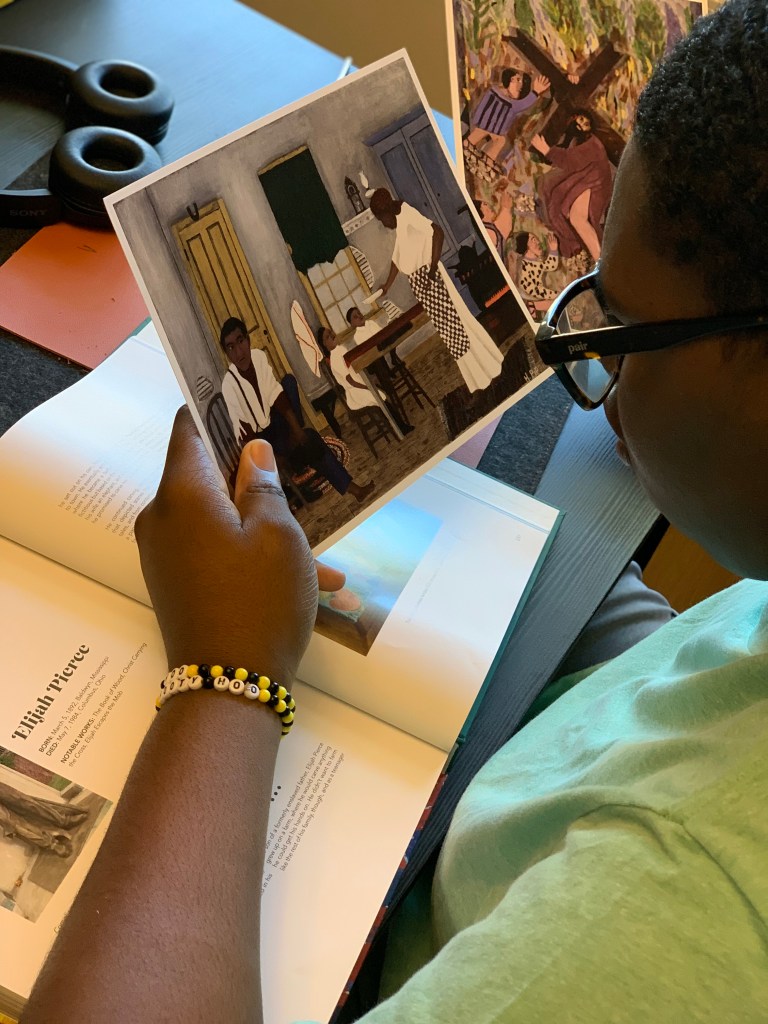
Dr. William Jackson, the Nomadic Professor himself, actually films his lectures at historic locations. My son and I love this because we’re not just hearing about events, we’re seeing the landscapes and cities where they unfolded. It feels like history is unfolding right in front of you.

Comprehensive Dashboard

Everything you need is right inside the course dashboard—videos, notes, readings, quizzes, worksheets, writing prompts, timelines, and even audio versions if your child prefers to listen. I can’t tell you how much easier this makes my homeschool planning. No piecing things together from five different places.

Encourages Thinking Like a Historian

This isn’t a “just the facts” kind of course. Students are encouraged to weigh evidence, look at different perspectives, and think critically about the story of our nation. My son has been challenged to form his own opinions and back them up with evidence—skills he’ll carry well beyond history class.

What’s Covered in Part 2

Part 2, “The Noise of Democracy,” takes us from the ratification of the Constitution through Reconstruction. It covers the early republic, westward expansion, the Civil War, and the rebuilding of America after. It’s rich in both content and context, giving students the “why” behind the events, not just the “what.”

Right now in our homeschool, we are working through Units 3 and 4, which dive into the Indigenous wars and the Civil War. My son has been especially interested in learning more about how these events affected both Indigenous communities and enslaved people. I appreciate that the course doesn’t shy away from difficult but important parts of history it brings depth and balance to the bigger story of America.

Flexible for Every Homeschool Style

One of the best parts of The Nomadic Professor is its flexibility. You can use it as a stand-alone history course, with everything needed for a full year of U.S. history credit. Or, if you already have a history program you enjoy, it also works wonderfully as a supplemental resource adding depth, visuals, and critical thinking opportunities that many traditional programs lack.

Who This Course Is Best For

  • Upper Middle School and High School Students – The material is geared toward 8th–12th graders who are ready for more depth.
  • Visual and Auditory Learners – Kids who benefit from seeing and hearing as they learn will thrive with the on-location videos and audio options.
  • Homeschool Families Wanting Convenience – With everything laid out in the dashboard, it’s easy for both parents and students to follow.
  • Families Who Like Structure – For added convenience, you can use the Homeschool Planet lesson plans that line up perfectly with the course.

A Timberdoodle Favorite

One thing I especially love mentioning is that Nomadic Professor U.S. History Part 2 is included in the Timberdoodle 10th Grade Curriculum Kit. Timberdoodle is known for curating high-quality, engaging resources, so seeing this course as part of their package really confirmed for me that it’s a strong choice for homeschool families.
Why We Love It

What keeps us coming back to The Nomadic Professor is how engaging and thought-provoking it is. My son isn’t just memorizing dates; he’s learning to understand history, ask questions, and make connections. The on-site videos give us the feeling of field trips without ever leaving home, and I appreciate that the curriculum gives me everything I need without extra prep.

Final Thoughts

If you’re looking for a high-quality history program for upper middle school or high school, I highly recommend The Nomadic Professor’s U.S. History, Part 2. It’s academically strong, visually engaging, homeschool-friendly, flexible enough to be a stand-alone course or a supplement, and even recognized by Timberdoodle as part of their 10th grade curriculum kit. For us, it has been a great continuation from Part 1, and we’re excited to keep going with the rest of the series.
Family, Family Life, Homeschool, Parenting, We Do Not Care

Prioritizing Self-Care, Mental Health, and Relationships in a New Homeschool Year!

This new homeschool year has already been one of the most unpredictable and “crazy” ones for our family. The stakes are changing. My son is 12 years old, and while he’s technically in 8th grade, he’s also working through pieces of high school curriculum. That means I’m now carefully keeping stronger records, deciding what deserves high school credit, and making sure not to overload or pad his transcripts. It’s a balancing act pushing forward without rushing him.

August has always been our “soft start” month, but this year I pushed the official count to September. That gave us room to breathe, explore, and transition into our rhythm. We kicked off with interest-led history, coding, and continuing Algebra 1. Later in the month, Honors Biology came into the mix, along with Outschool classes in law, history, literature, and science. We tried new extracurriculars like archery, swimming, community service, and golf, while also carving out time for field trips and family connection.

But here’s what I’ve learned: none of that works unless we prioritize self-care, mental healthy and relationships. That’s what holds everything together.

Hidden Stressors Our Kids Carry

When we think of stress, we often picture adults juggling bills, jobs, and family responsibilities. But our pre-teens and teens carry their own burdens many of which stay hidden. For some, it’s the pressure of transitioning into harder academics. For others, it’s navigating friendships, body changes, or the social expectations that come with growing up.

For Black and Brown children, there can be added stressors cultural identity, navigating stereotypes, and feeling unseen in certain environments. And while every child faces challenges, these unique pressures should not be ignored. At the same time, all children no matter their background need safe spaces where they can breathe, be heard, and just be kids.

Helping Pre-Teens and Teens Handle Stress

One of the best things I did this year was sit down with my son and ask him directly what was stressing him out. Kids don’t always volunteer this information, but once they feel safe, they’ll open up. Together, we made some adjustments:

  • Clear timelines. All assignments are due by Friday at 3 p.m. No hovering every day. No nagging. Just a rhythm he can depend on.
  • Weekly check-ins. Every Sunday, we spend 30 minutes going over the week ahead. If something looks heavy, we adjust.
  • Looping lessons. Instead of forcing every subject every day, we loop them for variety and less overwhelm.
  • End-of-day check-ins. These became one of the highlights of our homeschool. A chance to reflect, connect, and reset.

For personal self-care, my son asked for more downtime in the evenings. We turned his room into a sanctuary gamer theme, collectibles, cozy lights, and even a mini fridge stocked with healthy snacks. He loves his essential oils diffuser, tea lights, and a space where he feels in control. These small changes have given him peace and independence.

Setting Boundaries as a Family

Another big shift we made this year was around screen time and boundaries for all of us, not just my son. Together, we created a homeschool agreement that spelled out expectations for the whole family. Because we wrote it as a family, we’re all holding each other accountable.

And let me tell you, my son is serious about keeping me on track. If I slip, he’ll shut my laptop and remind me that my phone belongs upstairs in my bedroom. I’ve also turned off my social media notifications so I can stay present. Dad has his boundaries too we agreed as a family to respect our homeschool time during the day.

On my side, I rearranged my online teaching schedule to match what works best for us. I also made sure my classes never overlap with his online classes. That way, he knows he’s the priority, and I’m modeling what it looks like to set healthy boundaries.

Self-Care for Mom

As moms, we carry so much—planning, teaching, homemaking, and guiding. But pouring from an empty cup is not sustainable. For me, self-care isn’t optional; it’s survival.

Here’s what that looks like in my day-to-day:

  • Morning tea and quiet reflection. Before the house wakes up, I sip tea, read my Quran, and center myself.
  • Nightly brain dump. I write everything down before bed so my mind can rest.
  • Pampering routines. My new shower routine feels indulgent, but it’s also grounding.
  • Fresh air breaks. When the weather cools, I plan to spend more time on the porch with tea in hand.
  • Reading for joy. Not just audiobooks while multitasking, but truly reading, laughing, and enjoying stories.
  • Creative outlets. Journaling, scrapbooking, and planning bring me peace and creativity.
  • Music Playlist. I created a “Mental Reset” playlist on Amazon Music, so everyone in my house knows when they hear me ask Alexa to play it…..Mom needs some space.
  • Declare 1 hour of mom time daily!!!!!

Self-care doesn’t need to be extravagant it just needs to be intentional. Even one small change can bring more harmony into the home.

Level Up & Legacy Talks

One of the best new traditions we started is our Level Up & Legacy Talks. During this time, we read books like Letters to a Young Brother by Hill Harper, talk about culture, mindset, and growing up, and check in with each other. My son calls it his favorite part of the week. These talks are helping him build confidence, identity, and vision for his future. We a few books we are going to rotate through, but we are starting with this one and will move on to a new one soon.

And this year, we’re including Dad more too. When he’s available, he joins our homeschool day for Socratic conversations. It’s been powerful for all of us.

Why This Year Feels Different

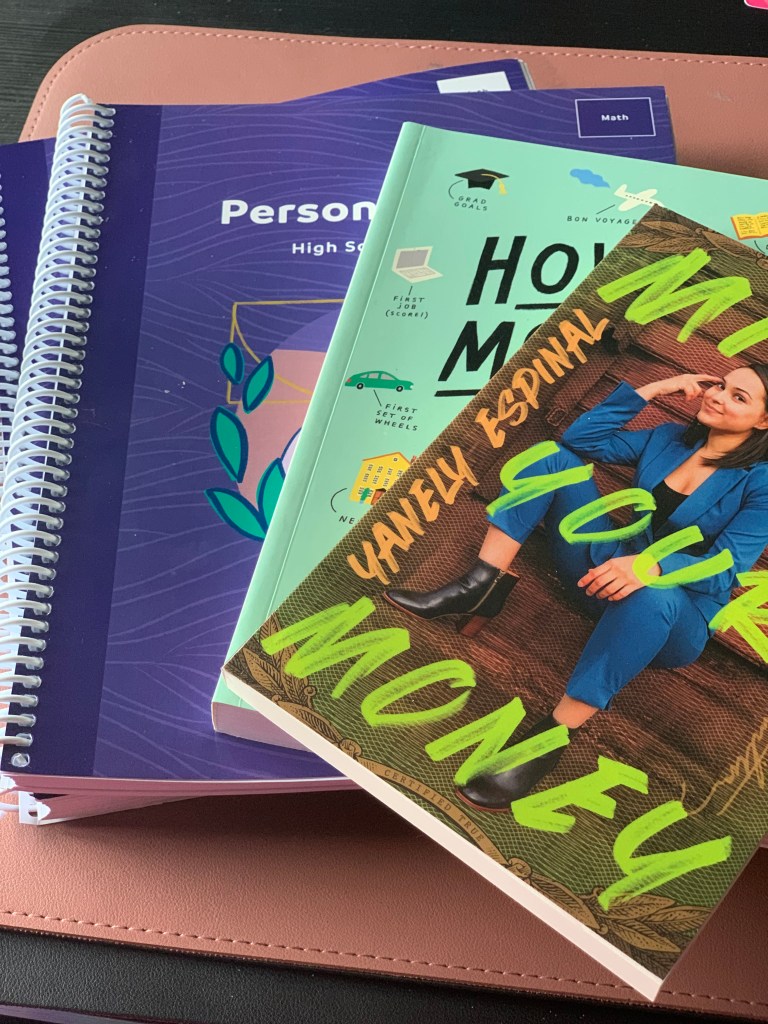
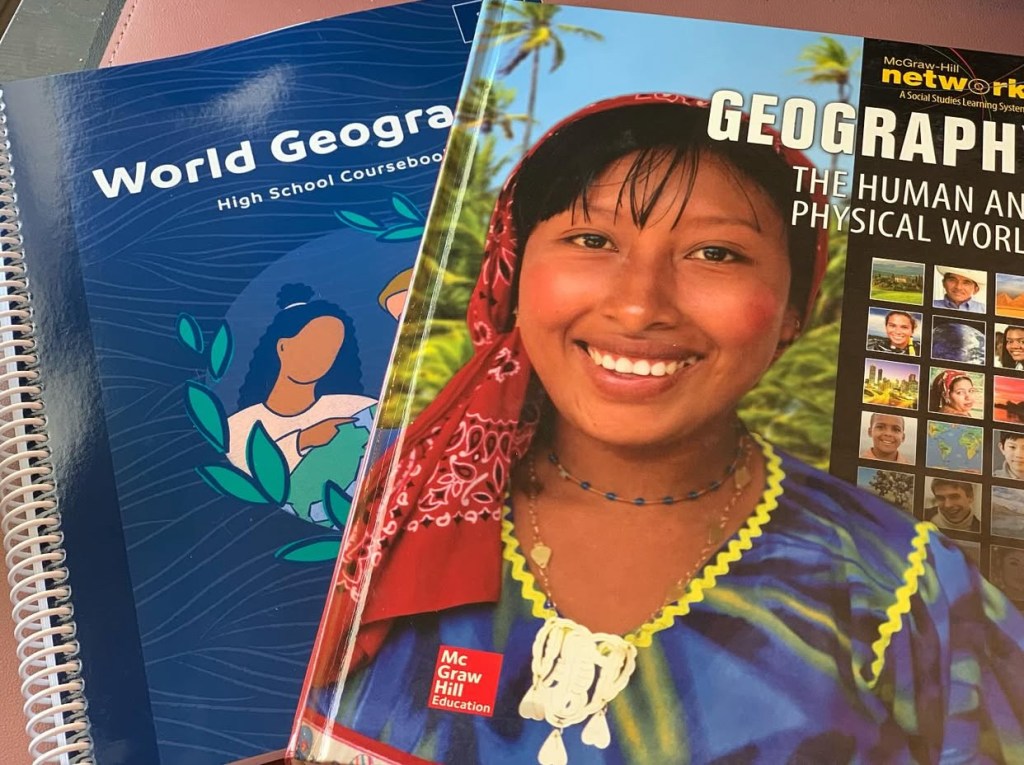
We’re still sticking with a few Oak Meadow Grade 8 its we are wrapping up, but we’ve added in their Personal Finance and Geography courses. Last year, my son loved Oak Meadow Civics, and this year we’re wrapping up what we didn’t finish. Balancing 8th grade with some high school-level work feels new and intense.

Homeschool Kids Aren’t Social?

I wish whoever started this rumor would go somewhere and have several seats. My kid is beyond socialized he keeps my planner filled with all his activities and events. He may not be “scheduled” in the traditional sense, but I’ll say this I actually have to send his dad a monthly itinerary just to keep track of everything!

For this upcoming year alone, he’s been invited to join Junior Beta and a formal Debate Team. Our homeschool co-op will be packed with fun and adventures, and come November, he’ll officially be part of the Teen Collective he’s counting down the days! He’s also joining the Homeschool Honor Society and has received formal mentorship invitations from both Georgia Tech and UGA.

Fun Times with Friends!!

On top of that, we’ve got two big trips planned in October and December, and in January we may be heading to Rome, Italy, to present at the same conference we spoke at earlier this year.

2025 International School Choice Reform Conference

That’s why self-care for both of us has become a top priority. Stay tuned for our full 2025–2026 Homeschool Curriculum line-up; we’ve got a few surprises in store!!

The Power of Meal Planning

Another form of self-care? Meal planning. It may not sound glamorous, but freeing up that mental energy makes a big difference. Our simple routine looks like this:

  • Monday – Leftovers
  • Tuesday – Tacos
  • Wednesday – Leftovers
  • Thursday – Light (salads, sandwiches)
  • Friday – Pizza Night
  • Saturday – Leftovers or Light
  • Sunday – Big dinner (enough for Monday too)

This routine saves me time, energy, and stress. Even if you only meal prep every other week, it can bring breathing room into your homeschool.

Nobody’s Perfect—And That’s Okay

Homeschooling isn’t about perfection. It’s about finding what works for your family, making small adjustments, and showing up with love. We’re all trying to do what’s best for our kids. Some days will be smooth. Some will be messy. And that’s okay.

A Closing Word for Fellow Moms

This year has already been full of lessons, but the biggest one is this: prioritize your relationships and your well-being just as much as the academics. Because when our kids feel supported and we feel centered, the learning flows more naturally.

To all the homeschool moms reading this I invite you to pause, reflect, and think about what small changes could bring more harmony to your homeschool. Maybe it’s a nightly check-in, a personal self-care ritual, or a simple meal plan. Whatever it is, embrace it. Our families don’t need perfection; they need presence. Here’s to a school year filled with growth, connection, and peace.

Education, High School, Homeschool, Middle School

Why IXL Has Been a Game Changer for Our Homeschool

We received IXL Family Membership: Core Subjects (Yearly Plan) for our honest review. This review may contain affiliate links at no additional cost to the reader.

This year, we’re on a new path of learning, and I’ve been making intentional adjustments to our homeschool curriculum choices. As we approach the high school years, my son has already stepped into high school–level math a bit earlier than expected. Last school year, he began Algebra I, and now he’s wrapping it up and will be moving into Geometry this October.

As a homeschool mom, I’m always on the lookout for tools that not only keep my son engaged but also give me peace of mind that he’s truly mastering the skills he needs. This year, we added the IXL Family Membership: Core Subjects (Yearly Plan) to our homeschool rotation, and it has been a game-changer especially on our “low-key Fridays.”

Fridays in our home are meant to be slower-paced: a chance to review, explore, and strengthen skills without the pressure of a heavy curriculum day. IXL Family Membership: Core Subjects (Yearly Plan) fits this rhythm perfectly, giving my son the opportunity to sharpen his skills while allowing me to track his progress in real time.

Using IXL for PSAT Prep

One of the standout features for us has been IXL’s PSAT prep program. My son is at the stage where preparing for standardized tests is becoming more and more important, and IXL has removed the guesswork from the process. The program adapts to his level, pinpoints where he needs the most practice, and guides him step by step.

Instead of me piecing together test prep resources, IXL Family Membership: Core Subjects (Yearly Plan) lays out exactly what he needs to focus on, and the real-time feedback has helped him grow in both confidence and accuracy.

Skill Plans and Textbook Alignment

Another reason IXL stands out is its alignment with state standards and leading textbooks. This is something most online platforms don’t offer, and it makes IXL one step above the rest.

I was thrilled to see a broad spectrum of publishers represented, giving me the ability to pick resources that fit our homeschool. Right now, my son’s favorite is TCI’s Government Alive! I suggested it as a way to fuel his passion for law and politics, and he’s absolutely loving it. I never imagined IXL could support his interests in such a personalized way.

We’re also using MyPerspectives Language Arts curriculum, and IXL has been an incredible tool for providing extra practice and reinforcement alongside the program.

And I have to mention the Spanish curriculum it’s truly chef’s kiss. Comprehensive, engaging, and aligned to state standards, it’s helping my son gain real confidence in the language while supplementing the curriculum we already use.

Printable Skill Plans That Simplify My Job

Another feature I love as a parent is the detailed skill printable plans. I can print out skill trackers and assign them to my son, which keeps us organized and on track. This feature is especially handy when we want a paper reference for planning out our weeks. It gives my son a clear visual of what’s expected, and he takes ownership by checking things off as he completes them.

Parent and Student Dashboards

The parent dashboard is a goldmine of information. I can see exactly how much time my son spends, what skills he’s working on, and where he’s excelling or struggling. On the other hand, the student dashboard is designed to be motivating he loves seeing his awards, progress charts, and recommended next steps. It encourages independence, and I don’t have to constantly hover over him to make sure he’s learning.

Analytics and Diagnostics

IXL Family Membership: Core Subjects (Yearly Plan) isn’t just another “drill and kill” platform. The real-time analytics and diagnostics help me see exactly where my son is thriving and where he needs reinforcement. And instead of mindless repetition, the platform uses explanations and step-by-step feedback to teach the material in a way that sticks.This means my son isn’t just practicing he’s truly learning and mastering each skill.

Why IXL Is a Beneficial Resource for Homeschoolers

IXL offers a comprehensive K–12 curriculum that covers all core subjects, from Math to Science, with the option to add Spanish for an additional cost. The IXL skill library includes over 17,000 interactive skills designed to engage students in the learning process. As students progress through lessons, they receive instant feedback and support to strengthen their understanding.

Parents receive valuable weekly progress reports, ensuring you’re fully informed about your child’s growth. IXL also adapts to each student’s level, helping to close learning gaps and build confidence. With everything personalized for your family, it feels like having your own instructor at home—cheering on and supporting your child every step of the way.

Click here to check out IXL and grab 25% off your Family Membership.

Final Thoughts

I could go on and on about the benefits of IXL, but the best way to see the impact is to try it for yourself. If you’ve been looking for a resource that combines structure, flexibility, and personalization, IXL delivers on all fronts.

Right now, IXL is offering 25% off Family Memberships and honestly, this is money well spent. It’s been one of the best investments we’ve made in our homeschool, and I truly believe it can take your homeschool to the next level too.

Click here to check out IXL and grab 25% off your Family Membership.

Homeschool, Keeping it real, Mom Life, Parenting, Perimenopause, We Do Not Care

Homeschooling Through the Hormone Hurricane: Middle Schoolers, Mood Swings, and the Magic of “We Don’t Care”

Let’s Be Real: Middle School Is Already a Wild Ride

Homeschooling middle school is not for the faint of heart. Between growth spurts, emotional whiplash, and the “new” version of your kid who woke up this morning suddenly too cool for phonics, it’s a whole job. Now imagine doing all that while you’re riding the hot, unpredictable wave of perimenopause. Y’all. I’m not saying we deserve medals, but give us a trophy shelf at least.

Wait…Is It Me or My Hormones?

If you’ve been homeschooling for a while, you probably know how to spot the signs of burnout: constant fatigue, lack of motivation, crying over your printer jamming (again). But what if those same symptoms aren’t just burnout? What if they’re hormones knocking at the door like, “Surprise! It’s me—Perimenopause.”

Here are a few signs you might be navigating that stage while also being the headmistress of your homeschool:

  • Sleepless nights…even though you’re exhausted.
  • Mood swings that feel like a bad tween novel.
  • Crying at the drop of a pencil (or because you actually dropped a pencil).
  • Forgetting where you put your glasses (while they’re on your head), sipping cold coffee at 2pm, and wondering why you walked into the pantry.

Perimenopause + Middle School = Emotional Gymnastics

Let me paint you a picture: Your middle schooler is having thoughts. Big ones. About the world. About themselves. About why math is pointless and how they should never have to write another paragraph again. Meanwhile, you’re sweating through your third shirt and questioning why you picked any of this year’s curriculum.

At least once a week, I look at our lesson plans and want to toss them in the trash like a salad I knew we weren’t gonna eat.

Cue the “We Don’t Care” Movement

You know what saved me? An Instagram mama @justbeingmelani who boldly started the “We Don’t Care” movement. If you don’t know who she is RUN to her IG!!! The idea is simple and liberating: we’re doing our best and that’s enough. The house isn’t perfect, the lesson didn’t go as planned, the tears fell (mine and his)…and you know what? We don’t care.

Say it loud for the sweaty moms in the back:
We. Don’t. Care.

It’s permission to be human. To stop trying to be the Pinterest-perfect homeschooler when you’re just trying to survive another round of hormone-fueled highs and lows while your kid discovers sarcasm as a second language

How to Manage Perimenopause While Homeschooling (Without Losing Your Mind)

Here’s the good news you’re not alone, and you can manage this. Here’s how:

1. Check Your Hormones, Sis.. Before you switch curriculums again or rework your entire homeschool plan for the millionth time, check in with your doctor. A blood panel might tell you that what you thought was just burnout is actually a hormonal shift.

2. Create Buffer Days… Build “light days” into your homeschool week less academic pressure, more connection. This isn’t slacking off. It’s smart homeschooling that respects the energy of both teacher and student.

3. Find Your Homeschool People…Surround yourself with mamas who keep it real. You need at least one friend who’ll laugh with you when you’re crying over missing highlighters and who’ll text back “you’re not crazy, this is just hormones and middle school.” or when you having a moment they recognize the moment and listen don’t judge. For all my natural mamas’s I am 100% on board for the natural treatment methods. Just need to get those horomones checked.

4. Eat. Sleep. Move. Repeat.… Basic, I know. But blood sugar crashes, sleep deprivation, and zero movement make hormonal symptoms worse. Drink water like it’s your job. Stretch. Step outside. Take a walk without the kids. Eat the dang salad (unless you’re still mad about that one you threw away).

5. Talk to Your Kids (Yes, Even Your Tween) ….Explain age appropriately what you’re going through. It models self-awareness and gives them permission to speak up about their changing emotions too. Who knew homeschool could be group therapy?

6. Learn Your Triggers…I have been working on how I respond to people. Keeping my cool and not stepping all the way out character. So far I have been doing really well staying calm. Because baby I be ready to let it rip when I am having a moment.

When You See a Fellow Mama Spiraling…

Say something. Gently. With love. Send a text like,
“Hey, are you okay? Or are you on your third coffee and crying over cursive like I was last week?”

Drop off a smoothie. Send a meme. Better yet, offer to co-op one afternoon and give her a break. Because sometimes we need someone else to recognize we’re on the hormone rollercoaster before we do.

Middle School Homeschoolers Don’t Help…But They’re Not the Enemy

Let’s not forget these little hormonal humans we’re raising are going through it too. One minute they’re laughing at fart jokes, the next they’re contemplating the meaning of life at 9:15 AM on a Tuesday while refusing to read the next chapter of their novel study.

They’re pulling away and needing us all at once. They’re learning to think critically, argue everything, and feel deeply about things like snack options. It’s a mess. But it’s also kind of beautiful, if we pause to see it.

Final Thoughts: We’re in This Together

Homeschooling through perimenopause isn’t a joke but laughing about it might save your sanity.

So the next time you’re mid-meltdown with a crying tween, a cold coffee in one hand and a broken dry-erase marker in the other, just remember:

You’re not crazy. You’re perimenopausal.

You’re not failing. You’re homeschooling.

And most of all…

We. Don’t. Care.

We care deeply about our kids. But we don’t care to be perfect. That’s not the assignment.

Curriculum, Curriculum Resource, Homeschool, Homeschool Family, Typing

Not Your Average Typing Program: Why Typesy Homeschool Is a Game-Changer in Our Homeschool!

We received Typesy Homeschool for our honest review.

Looking for a typing program that actually teaches something useful besides endless lines of “asdf jkl;”? Say goodbye to nonsense phrases and hello to real learning with purpose. Typesy Homeschool isn’t your typical typing platform it’s a full-blown cross-curricular typing experience that makes homeschool families like ours excited to log on!

What Makes Typesy Different?

Unlike most typing programs that rely on boring drills and gibberish sentences, Typesy Homeschool seamlessly integrates Common Core-aligned academic content right into its lessons. That means while your child is learning to type, they’re also being introduced to science facts, historical context, vocabulary, and more all while building speed and accuracy on the keyboard.

For us, we started with the 7th Grade Common Core course because the topics covered included science themes we were already studying. As we progress through the school year, we’ll move into the 8th Grade Cross-Curricular track, which introduces more complex material like history, language arts, and other interdisciplinary subjects. It’s typing and schoolwork rolled into one smart program. This mom has been using the program also to learn some new things and strengthen my own typing skills.

Learning with Games? Yes, Please!

Typesy also includes a variety of typing games that are both educational and fun—perfect for brain breaks or rewards after assignments. These games reinforce hand placement and speed without your child even realizing they’re practicing. It’s gamified learning done right!

Parent & Student Dashboards Make Tracking Easy

The Parent Dashboard is one of my favorite features. I can:

  • Assign lessons based on grade level or interest
  • Monitor my child’s typing accuracy, speed, and time-on-task
  • Track progress across all subjects integrated into the typing lessons

The Student Dashboard is clean, easy to navigate, and motivating. Students can see their badges, streaks, and real-time progress toward goals. It makes independent work feel manageable and rewarding.

Who Is This Good For?

  • Homeschoolers who want to align with state standards for typing or computer science
  • Middle school students who need to improve typing fluency and review academic content
  • Parents looking for interdisciplinary tools that combine core subjects with digital literacy
  • Families who are tired of boring typing lessons and want something more meaningful

From Kindergarten to Career Prep

Typesy Homeschool isn’t just for kids! There are typing and computer literacy courses for everyone in the family from early learners to teens prepping for the SAT/ACT, to adults and professionals needing to sharpen skills.

Typesy includes:

  • Adult & professional typing courses
  • Vocabulary building (excellent for SAT/ACT prep)
  • Microsoft Office training
  • Google Workspace skills
  • Intro to Coding courses

It’s rare to find a program that grows with your family, but Typesy truly delivers on that promise.

Aligned with State Standards? Yes, Ma’am!

One of the reasons I chose Typesy Homeschool is because it supports our state’s Computer Science requirements, which include a strong emphasis on typing proficiency and subject-matter integration. The built-in lessons help meet these requirements without me needing to piece together a separate curriculum.

Final Thoughts: Why We Love It

In our homeschool, we value tools that multitask with intention. Typesy Homeschool teaches a life skill typing, but does so in a way that supports and enhances our academic learning. It’s not just typing for typing’s sake. It’s typing with purpose, with content, and with fun.

So if you’re looking for a smart, standards-aligned, subject-rich, and student-friendly typing program, Typesy Homeschool is the one. It’s the typing curriculum I didn’t know we needed until we couldn’t imagine our week without it!

Family, Family Life, Homeschool, Homeschool Family

Confessions of a Homeschool Mom: Trusting the Process and the Child

Reflecting on the Middle School Years

Let me back up before someone decides to come for me about this blog post, this is my truth and I am sharing it for my own peace and sanity. If someone finds it helpful I am glad I could shed a little light on our experience.

As we near the end of our middle school journey, I find myself in a season of deep reflection. My son is only 12 and technically suppose to be entering 7th grade this upcoming year, but because we’ve always homeschooled with flexibility, we’ve done hybrid years, bouncing between grade levels based on his needs. This past year was a 7th/8th-grade blend, and the year ahead will be 8th/9th.

One big question I’ve been grappling with is:

Do we stick with a full 8th-grade curriculum or continue our hybrid model? Should I savor this final year of middle school or press ahead into high school coursework?

Letting My Child Take the Lead

Here’s what I know for sure:

My son asked for a more comprehensive science curriculum this year. And we decided on one together. Yes, I said we. Too often, as homeschool parents, we map out the entire school year without ever asking our kids what they want. Some of us ask out of formality, but do we really listen? Then we just continue on with our own agenda. We get caught in the race for rigor, credits, dual enrollment and forget that they’re the ones learning it. Just making decision because it just easier and manageable for us. Its our kids doing the work and carrying the load. Then we get upset if things aren’t progressing the way we want and then the stress and the battles begin.

Now, don’t get me wrong my husband and I still set core goals. There are non-negotiable. But because my son clearly expressed his passions (medicine and law), we’ve made space for his interests to take center stage. We follow his lead and build around that.

Our Math Journey: From Burnout to Breakthrough

We’re continuing with Denison Math and Mr. D Math this year. And before I go further yes, Denison Math does have a track for students who struggle, but that’s not why we chose it. My son actually loves math and has always excelled. We chose Denison because it helped him fall back in love with the subject.

A few years ago, I forced him through Saxon 6/5 right after finishing Abeka 3 he placed out of Saxon 4/5. Why did I do this? I am going to keep it real I was SELFISH!!! Saxon worked for me, I loved it and after all its one of the top tier math curriculum in the homeschool community. Plus I dropped well over $100 for this curriculum plus the online platform. It was overkill. Too many repetitive problems, too much over explanation, and not enough challenge. He confessed to me this year that he didn’t learn anything new that year. That he felt like he was suffocating. That it was just busywork and he was bored. He hated it.

Imagine my shock. He held that in for years.

After that, we ditched Saxon for good. We transitioned through the last levels of Math-U-See and completed Mr. D’s Preparing for Pre-Algebra in one academic year. Then we landed on Denison Pre-Algebra and I saw the light come back into him. He was thriving, not just surviving.

He’s now moved into Denison Algebra 1 and Mr. D Algebra Gamified. He uses Mr. D for quizzes and exams and is acing every one. He’s confident, calm, and free to enjoy other subjects too. Since we aren’t spending hours on one subject. We are tag teaming note-taking which has worked great for us at the suggestion of homeschool mom friend. We are working math together, he is happy and welcomes doing math six days out of the week. HE has sat a goal for himself he wants finish geometry by Summer 2026. At the time of me writing this he is wrapping chapter 12 and has 5 more chapters to go in Algebra 1. He has a great foundation and is doing really well in his SAT math prep class this summer. He even took classes at John Hopkins Center for Talented Youth online math class and did very well with his middle school and high school peers. In May he did some professional testing for gifted and talented kids and he placed high on the math section.

The Cost of Not Listening

Looking back, not listening to him that year cost us more than just time. It caused unnecessary power struggles and damaged his trust. What did I actually teach him that year? That I didn’t trust his instincts about his learning.

That moment changed everything for me.

Now, he has a voice in our homeschool planning. His concerns are valid, his input matters. Yes, he still does hard things, and no, he won’t love every subject but he knows I trust him. That I see him and not the curriculum!

Beyond the Checklist

I don’t want our homeschool to just be a checklist of college prep boxes. I want it to be a partnership rooted in respect. He’s not in 1st grade anymore he’s capable of evaluating curriculum, reviewing class descriptions, and assessing if something is a good fit. The whole purpose of us choosing homeschool was give him a voice in his education and not perpetuate the same educational system we wanted no parts of.

I almost made the same mistake again this year by enrolling him in a class without consulting him. But he looked it over, did his own research, and told me it wasn’t a good fit. I reviewed it myself and he was absolutely right.

It wasn’t a fit for us. And maybe next year it will be. But this year, we’re choosing peace, purpose, and partnership. If we need to change some things after giving it a good try that is okay, because he knows we have his back and will hold him accountable for his decisions and we trust him.