Curriculum, Curriculum Resource, Homeschool, Homeschool Family, Typing

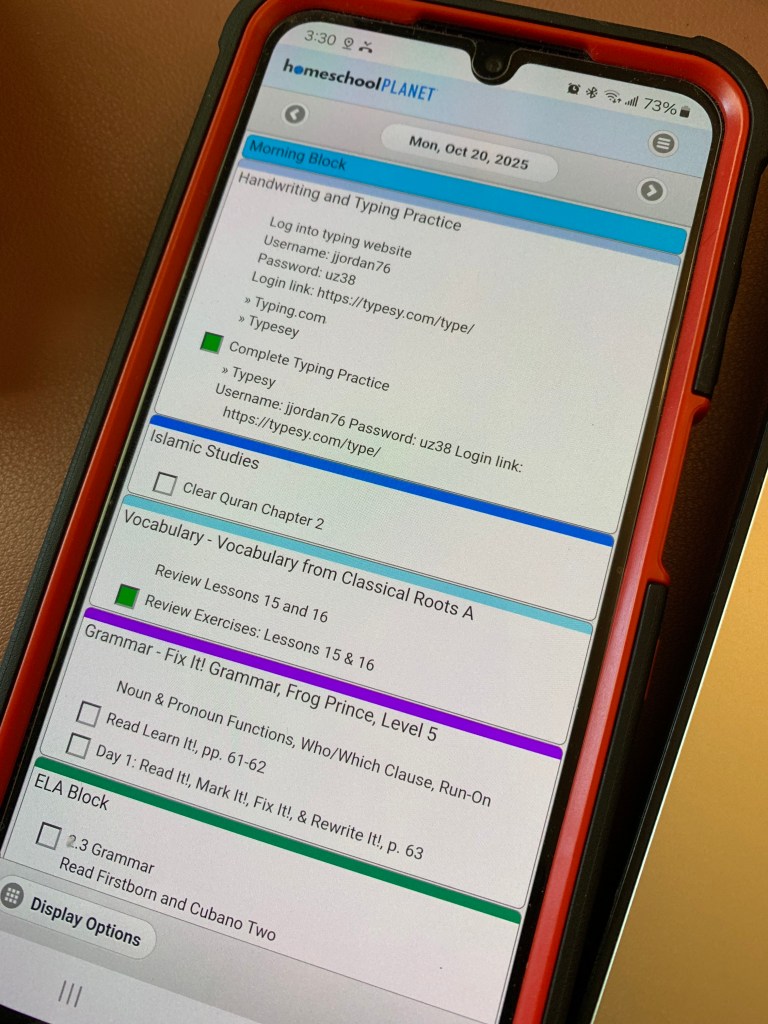
Not Your Average Typing Program: Why Typesy Homeschool Is a Game-Changer in Our Homeschool!

We received Typesy Homeschool for our honest review.

Looking for a typing program that actually teaches something useful besides endless lines of “asdf jkl;”? Say goodbye to nonsense phrases and hello to real learning with purpose. Typesy Homeschool isn’t your typical typing platform it’s a full-blown cross-curricular typing experience that makes homeschool families like ours excited to log on!

What Makes Typesy Different?

Unlike most typing programs that rely on boring drills and gibberish sentences, Typesy Homeschool seamlessly integrates Common Core-aligned academic content right into its lessons. That means while your child is learning to type, they’re also being introduced to science facts, historical context, vocabulary, and more all while building speed and accuracy on the keyboard.

For us, we started with the 7th Grade Common Core course because the topics covered included science themes we were already studying. As we progress through the school year, we’ll move into the 8th Grade Cross-Curricular track, which introduces more complex material like history, language arts, and other interdisciplinary subjects. It’s typing and schoolwork rolled into one smart program. This mom has been using the program also to learn some new things and strengthen my own typing skills.

Learning with Games? Yes, Please!

Typesy also includes a variety of typing games that are both educational and fun—perfect for brain breaks or rewards after assignments. These games reinforce hand placement and speed without your child even realizing they’re practicing. It’s gamified learning done right!

Parent & Student Dashboards Make Tracking Easy

The Parent Dashboard is one of my favorite features. I can:

  • Assign lessons based on grade level or interest
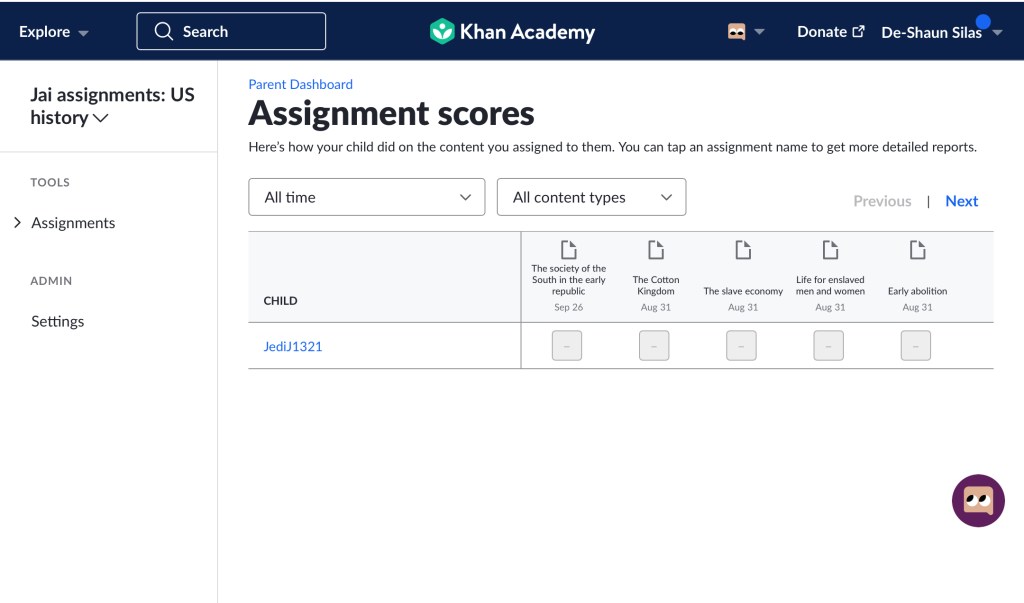
  • Monitor my child’s typing accuracy, speed, and time-on-task
  • Track progress across all subjects integrated into the typing lessons

The Student Dashboard is clean, easy to navigate, and motivating. Students can see their badges, streaks, and real-time progress toward goals. It makes independent work feel manageable and rewarding.

Who Is This Good For?

  • Homeschoolers who want to align with state standards for typing or computer science
  • Middle school students who need to improve typing fluency and review academic content
  • Parents looking for interdisciplinary tools that combine core subjects with digital literacy
  • Families who are tired of boring typing lessons and want something more meaningful

From Kindergarten to Career Prep

Typesy Homeschool isn’t just for kids! There are typing and computer literacy courses for everyone in the family from early learners to teens prepping for the SAT/ACT, to adults and professionals needing to sharpen skills.

Typesy includes:

  • Adult & professional typing courses
  • Vocabulary building (excellent for SAT/ACT prep)
  • Microsoft Office training
  • Google Workspace skills
  • Intro to Coding courses

It’s rare to find a program that grows with your family, but Typesy truly delivers on that promise.

Aligned with State Standards? Yes, Ma’am!

One of the reasons I chose Typesy Homeschool is because it supports our state’s Computer Science requirements, which include a strong emphasis on typing proficiency and subject-matter integration. The built-in lessons help meet these requirements without me needing to piece together a separate curriculum.

Final Thoughts: Why We Love It

In our homeschool, we value tools that multitask with intention. Typesy Homeschool teaches a life skill typing, but does so in a way that supports and enhances our academic learning. It’s not just typing for typing’s sake. It’s typing with purpose, with content, and with fun.

So if you’re looking for a smart, standards-aligned, subject-rich, and student-friendly typing program, Typesy Homeschool is the one. It’s the typing curriculum I didn’t know we needed until we couldn’t imagine our week without it!

Family, Family Life, Homeschool, Homeschool Family

Confessions of a Homeschool Mom: Trusting the Process and the Child

Reflecting on the Middle School Years

Let me back up before someone decides to come for me about this blog post, this is my truth and I am sharing it for my own peace and sanity. If someone finds it helpful I am glad I could shed a little light on our experience.

As we near the end of our middle school journey, I find myself in a season of deep reflection. My son is only 12 and technically suppose to be entering 7th grade this upcoming year, but because we’ve always homeschooled with flexibility, we’ve done hybrid years, bouncing between grade levels based on his needs. This past year was a 7th/8th-grade blend, and the year ahead will be 8th/9th.

One big question I’ve been grappling with is:

Do we stick with a full 8th-grade curriculum or continue our hybrid model? Should I savor this final year of middle school or press ahead into high school coursework?

Letting My Child Take the Lead

Here’s what I know for sure:

My son asked for a more comprehensive science curriculum this year. And we decided on one together. Yes, I said we. Too often, as homeschool parents, we map out the entire school year without ever asking our kids what they want. Some of us ask out of formality, but do we really listen? Then we just continue on with our own agenda. We get caught in the race for rigor, credits, dual enrollment and forget that they’re the ones learning it. Just making decision because it just easier and manageable for us. Its our kids doing the work and carrying the load. Then we get upset if things aren’t progressing the way we want and then the stress and the battles begin.

Now, don’t get me wrong my husband and I still set core goals. There are non-negotiable. But because my son clearly expressed his passions (medicine and law), we’ve made space for his interests to take center stage. We follow his lead and build around that.

Our Math Journey: From Burnout to Breakthrough

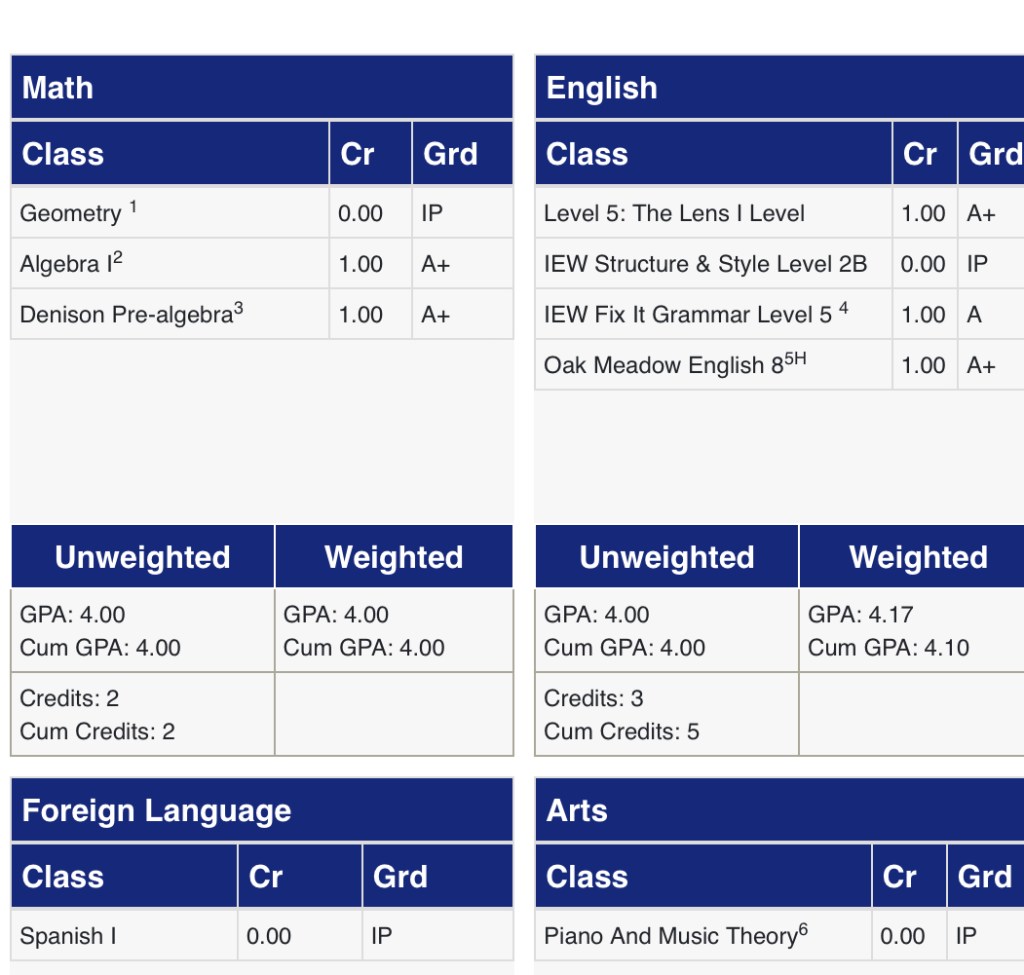
We’re continuing with Denison Math and Mr. D Math this year. And before I go further yes, Denison Math does have a track for students who struggle, but that’s not why we chose it. My son actually loves math and has always excelled. We chose Denison because it helped him fall back in love with the subject.

A few years ago, I forced him through Saxon 6/5 right after finishing Abeka 3 he placed out of Saxon 4/5. Why did I do this? I am going to keep it real I was SELFISH!!! Saxon worked for me, I loved it and after all its one of the top tier math curriculum in the homeschool community. Plus I dropped well over $100 for this curriculum plus the online platform. It was overkill. Too many repetitive problems, too much over explanation, and not enough challenge. He confessed to me this year that he didn’t learn anything new that year. That he felt like he was suffocating. That it was just busywork and he was bored. He hated it.

Imagine my shock. He held that in for years.

After that, we ditched Saxon for good. We transitioned through the last levels of Math-U-See and completed Mr. D’s Preparing for Pre-Algebra in one academic year. Then we landed on Denison Pre-Algebra and I saw the light come back into him. He was thriving, not just surviving.

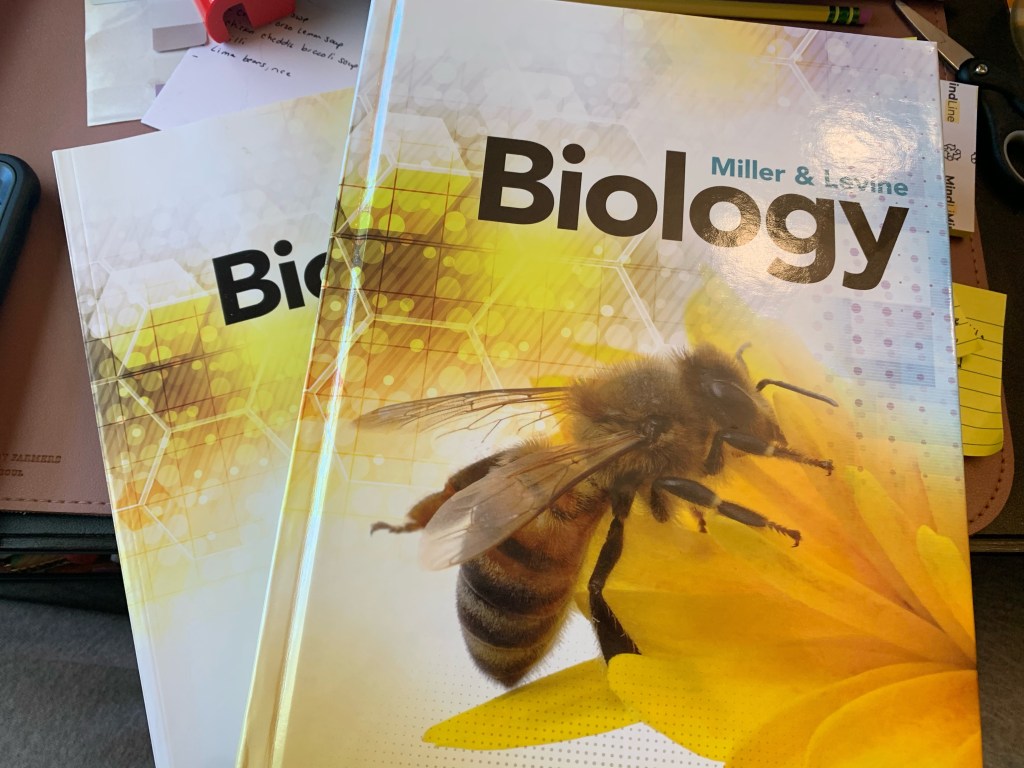
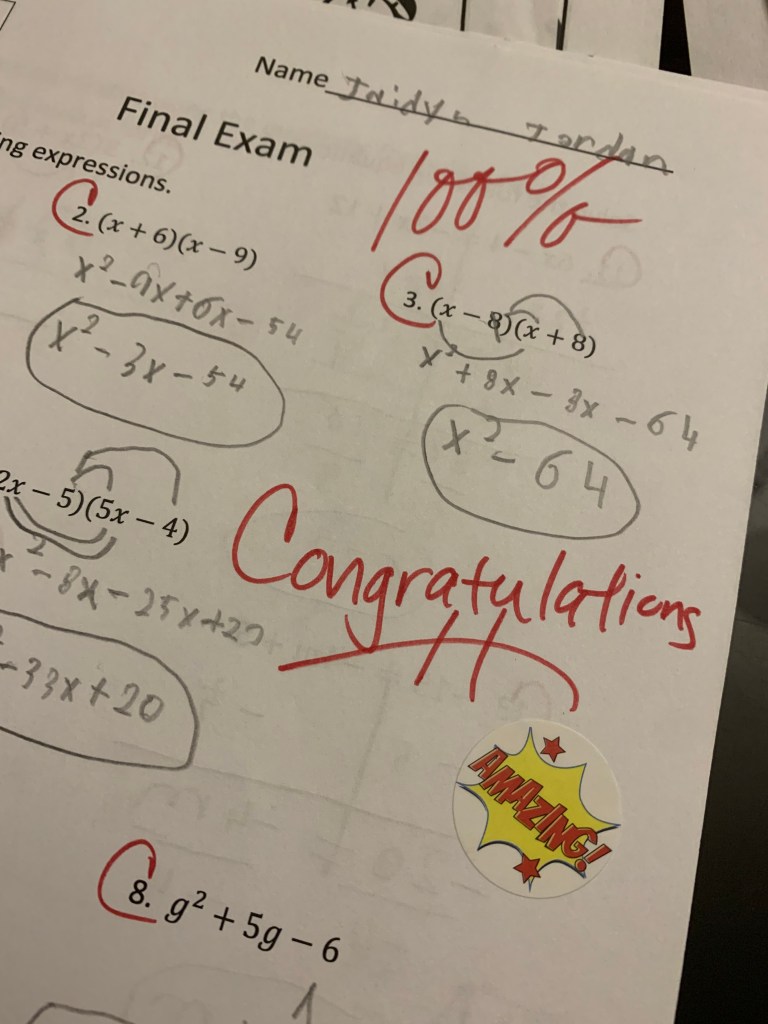
He’s now moved into Denison Algebra 1 and Mr. D Algebra Gamified. He uses Mr. D for quizzes and exams and is acing every one. He’s confident, calm, and free to enjoy other subjects too. Since we aren’t spending hours on one subject. We are tag teaming note-taking which has worked great for us at the suggestion of homeschool mom friend. We are working math together, he is happy and welcomes doing math six days out of the week. HE has sat a goal for himself he wants finish geometry by Summer 2026. At the time of me writing this he is wrapping chapter 12 and has 5 more chapters to go in Algebra 1. He has a great foundation and is doing really well in his SAT math prep class this summer. He even took classes at John Hopkins Center for Talented Youth online math class and did very well with his middle school and high school peers. In May he did some professional testing for gifted and talented kids and he placed high on the math section.

The Cost of Not Listening

Looking back, not listening to him that year cost us more than just time. It caused unnecessary power struggles and damaged his trust. What did I actually teach him that year? That I didn’t trust his instincts about his learning.

That moment changed everything for me.

Now, he has a voice in our homeschool planning. His concerns are valid, his input matters. Yes, he still does hard things, and no, he won’t love every subject but he knows I trust him. That I see him and not the curriculum!

Beyond the Checklist

I don’t want our homeschool to just be a checklist of college prep boxes. I want it to be a partnership rooted in respect. He’s not in 1st grade anymore he’s capable of evaluating curriculum, reviewing class descriptions, and assessing if something is a good fit. The whole purpose of us choosing homeschool was give him a voice in his education and not perpetuate the same educational system we wanted no parts of.

I almost made the same mistake again this year by enrolling him in a class without consulting him. But he looked it over, did his own research, and told me it wasn’t a good fit. I reviewed it myself and he was absolutely right.

It wasn’t a fit for us. And maybe next year it will be. But this year, we’re choosing peace, purpose, and partnership. If we need to change some things after giving it a good try that is okay, because he knows we have his back and will hold him accountable for his decisions and we trust him.

6th Grade, 7th Grade, 8th Grade, Curriculum, Education, High School, Homeschool, Middle School

Breaking the Barrier ¡Vamos! Middle School Spanish Curriculum Review: An Afro-Latino Family’s Search for Language, Culture, and Connection

We were sent Breaking the Barrier ¡Vamos! for our honest review!

As an Afro-Latino homeschool mom, one of the most important goals I’ve had in our homeschool journey has been ensuring that my son not only learns Spanish but learns it authentically. Over the years, we’ve tried multiple Spanish curriculums, each promising fluency or cultural enrichment, but most have fallen short in one major way: authenticity. Many lacked meaningful cultural context, used outdated or Eurocentric examples, or leaned too heavily on rote memorization without fostering true communication. That changed when we discovered Breaking the Barrier’s new middle school curriculum: ¡Vamos! Beginner “A” Homeschool Package.

Why Vamos Stands Out

¡Vamos! Beginner “A” Homeschool Package is the first book in a two-part middle school Spanish series created by Breaking the Barrier, a well-respected company known for their high school and college-level language materials. This series was designed specifically with younger learners in mind, offering a gentle yet rich introduction to Spanish through a blend of grammar, vocabulary, culture, and conversation practice. The second part of the series is titled ¡En camino!, and together, the two books offer a complete and thoughtful middle school Spanish foundation.

Unlike other programs we’ve tried, ¡Vamos! feels warm, modern, and rooted in real-life language. It’s designed to engage middle schoolers not overwhelm them and the pacing is flexible enough for diverse learning styles and homeschool schedules.

The Curriculum Deep Dive: What You Get

1. The Textbook
The ¡Vamos! textbook is beautifully laid out, full-color, and incredibly user-friendly. Each unit includes:

  • Clear vocabulary lists
  • Grammar explanations that are age-appropriate and approachable
  • Short cultural readings that highlight the diversity of the Spanish-speaking world
  • Dialogue practice and real-world scenarios to encourage speaking and listening
  • Fun review activities that reinforce learning without it feeling like busywork

The content is rooted in authentic language use, avoiding the awkward or robotic phrases found in other beginner programs. My son actually laughs while doing his lessons and most importantly, he’s using the Spanish he learns in real conversation.

2. The Online Platform

The companion online platform elevates the program with:

  • Audio recordings for vocabulary, dialogues, and readings
  • Native Spanish speakers, ensuring students hear the language as it is truly spoken across various Spanish-speaking countries
  • Digital exercises to reinforce each unit
  • Auto-graded quizzes and review sections
  • Cultural videos and pronunciation guides

The use of native speakers is one of the biggest highlights for us. It gives my son the confidence to recognize and repeat the language with accuracy and natural rhythm, which is essential for meaningful language acquisition.

One of the things I appreciate most about ¡Vamos! is that it is almost 90% immersive. From day one, students are hearing and engaging with Spanish in a way that feels natural and consistent. The majority of the content whether audio, instruction, or response is in Spanish. This level of immersion helps my son think in Spanish, not just translate it. It’s one of the most effective and research-backed ways to build fluency.

3. Flexible Schedule
We will use ¡Vamos! 3-4 days a week over the summer and fall, and my son will meet with his Middle School Spanish co-op class every Thursday in fall, which aligns perfectly with the ¡Vamos! suggested weekly schedule. Each unit is designed to be completed over 1–2 weeks, allowing for flexibility based on your child’s pace or your overall homeschool flow.

Why It Works for Our Homeschool

As a culturally conscious family, we were drawn to ¡Vamos! for its intentional inclusion of diverse voices and regions within the Spanish-speaking world. It doesn’t center just one country or dialect, but instead introduces learners to a broad, respectful view of the language as it’s spoken across Latin America, the Caribbean, and Spain.

The pacing is perfect for middle schoolers, but ¡Vamos! is also a wonderful starting point for high schoolers who may be new to Spanish or need a gentle, thorough introduction. In fact, Breaking the Barrier notes that this program can be adapted for high school credit when paired with additional enrichment or instructional time.

Who ¡Vamos! Is Ideal For:

  • Middle school homeschoolers seeking a gentle but rigorous Spanish curriculum
  • Afro-Latino, Afro-Caribbean, and multicultural families looking for cultural authenticity
  • High school students new to Spanish who may feel overwhelmed by traditional programs
  • Families using ESA funding in Georgia (and a growing list of other states)
  • Co-ops or online classes the format works well for group or individual learning

Final Thoughts

¡Vamos! Beginner “A” Homeschool Package by Breaking the Barrier has filled a much-needed gap in our homeschool. It’s authentic, well-paced, beautifully designed, and culturally respectful. Most importantly, it has helped my son feel connected to his identity and confident in his ability to learn and speak Spanish. I finally feel like we’ve found a program that doesn’t just teach Spanish it celebrates it. If you would like to check a lesson sample click here.

We’re excited to continue with ¡En camino! Beginner “B” Homeschool Package next year, and I wholeheartedly recommend ¡Vamos! to any homeschooling family looking to make Spanish not just a subject but a vibrant, living part of their homeschool experience.

6th Grade, 7th Grade, 8th Grade, Grammar, Homeschool, homeschool curriculum, Middle School, Writing

Wrapping Middle School Writing with IEW Structure and Style 2B and Fix IT Grammar!

As we prepare for another intentional and purpose-driven homeschool year, I’m excited to share our continued journey with Institute for Excellence in Writing (IEW) a curriculum that has not only worked but transformed our homeschool experience. For the upcoming 2025–2026 school year, we’ve chosen to move into Structure and Style for Students Level 2B while finishing up and solidifying Fix It! Grammar Level 4: Mowgli and Shere Khan this summer. We’ll then transition into Level 5: The Frog Prince in the fall.

But before I dive into our curriculum plans, let me share a proud mama moment:

My son placed 3rd in IEW’s 2025 National Writing Contest (Level B) this past spring!

This was not just a win it was redemption. Just a couple of years ago, my son had no interest in writing. He dreaded putting pen to paper and often asked to skip writing altogether. But through consistency, faith, and the right tools like IEW and the guidance of our wonderful writing support teacher, Write With Mrs. Brown his confidence grew. Now, he’s writing for fun, rewriting the storyboard for one of his favorite video games this summer on his own time. That’s the power of the right curriculum, and IEW has truly been a blessing to our family.

Why We Chose Structure and Style Level 2B

After successfully completing Structure and Style Level 1B this past year, my son was ready for the next challenge. Level 2B is designed for students who have a strong grasp on the foundational IEW units but are ready to write longer compositions with more complexity, creativity, and independence.

What We Love:

  • Clear, structured lessons that guide students step-by-step from brainstorming to polished composition.
  • Continued stylistic practice, such as strong verbs, quality adjectives, sentence openers, and dress-ups.
  • A variety of writing assignments, including narrative, informational, and persuasive essays.

How We Take Notes

One effective strategy that’s worked for us is using Cornell Notes while watching Mr. Pudewa’s videos. It helps my son stay engaged and reflect on what he’s learning. This method encourages independent learning and active listening two things middle schoolers really benefit from.

Bonus:

We’re also adding the new IEW resource, Strengthening Structure: Models for IEW Structural Units to our lineup. This newly released supplement takes a deeper dive into the nine structural models that form the foundation of the IEW writing approach. It offers reinforcement and extension for students ready to elevate their writing, perfect for upper middle schoolers like my son.

Who Should Use Structure and Style Level 2B?

  • 6th–8th graders who have completed 1B or equivalent
  • Students ready to increase writing stamina and creativity
  • Kids who still benefit from a structured approach but want room to stretch
  • Families looking for a full-year program that balances academic rigor and confidence-building

Fix It! Grammar Level 4: Why We’re Repeating It

Fix It! Grammar has been a quiet workhorse in our homeschool. Unlike traditional grammar workbooks, this program builds editing and grammar skills through a daily sentence from a continuing story in this case, Mowgli and Shere Khan. Each sentence builds on the previous one, helping students internalize grammar in context.

Even though we already completed Level 4 during 2023-2024 school year, we’re intentionally repeating it this summer. Why? Because I want to solidify his mastery before we move on to the more advanced and demanding Level 5: The Frog Prince in the fall.

Why We Love It:

  • Just 15 minutes a day simple and sustainable
  • Built-in vocabulary, copy-work, and editing practice
  • Great retention from daily repetition and cumulative learning
  • Story format that keeps kids engaged

Repeating Level 4 has already helped reinforce proper punctuation, complex sentence structures, and the use of clauses. It’s been such a helpful decision not remedial, but enriching!

Who Would Benefit from Fix It! Grammar Level 4?

  • Students who are ready to apply grammar knowledge in context
  • Kids who’ve completed Levels 1–3 or are transitioning from a traditional program
  • Learners who enjoy stories and consistent structure
  • Families who want grammar practice without frustration or busywork

A Long-Term Love for IEW

We’ve been long-time IEW users, and I can truly say it’s one of the most worthwhile investments we’ve made in our homeschool. From Structure and Style for Students to Fix It! Grammar, and now integrating new resources like Strengthening Structure, the IEW suite of materials has helped my son:

  • Go from zero writing confidence to contest-winning compositions
  • Develop a love for writing yes, LOVE!
  • Gain skills that will serve him well in high school and beyond
  • Write, edit, and revise with purpose, direction, and joy

IEW gave us the structure we needed, the consistency I craved, and the results we hoped for. While there are other programs on the market for writing, we felt that IEW style is a better fit for college preparation for writing.

Don’t Miss the IEW Podcast + Extras!

Another gem of being an IEW family? Their podcast! It’s packed with practical, encouraging, and insightful content for homeschool parents and writing teachers. I’ve learned so much about how to better support my writer and build a more enriching homeschool experience through those episodes.

The IEW Community: Sales, Freebies & Support for Parents

IEW doesn’t just hand you a curriculum and disappear they walk with you throughout your homeschool journey:

Highlights Include:

  • Live webinars and workshops throughout the year
  • The annual “12 Days of Christmas Giving”, full of generous freebies and digital goodies
  • Ongoing homeschool encouragement and tips from the team
  • Access to free shipping offers and seasonal discounts

Pro Tip: Don’t miss their July Free Shipping Event it’s the perfect time to stock up on wish list items, upgrade your writing program, or grab extras like Student Resource Notebooks, style posters, and themed writing lessons.

IEW Also Offers Live Online Classes

In addition to streaming options, IEW also offers live, online Structure and Style classes! If your student thrives in a structured, live environment with real-time feedback, this is a great option to consider. These courses follow the same methods and reinforce everything we love about IEW but with the added benefit of accountability and instructor interaction.

Final Thoughts

If you’re a homeschool parent looking for a writing and grammar curriculum that builds skills year after year,Structure and Style for Students Level 2B and Fix It! Grammar Level 4: Mowgli and Shere Khan are excellent choices. They work. They grow with your child. And best of all, they encourage a love of words and a sense of accomplishment.

As a mom who once feared her child would never enjoy writing, I can’t recommend this curriculum enough. Here’s to another incredible year of writing, learning, and growing with IEW!

6th Grade, 7th Grade, 8th Grade, Education, Grammar, Homeschool, Language Arts, Literature Base, Middle School Math

An In-Depth Look at Lightning Literature’s New Storm Level for Grades 6–8

As a long-time homeschool mom and devoted user of Lightning Literature, I was excited to try their new Storm Level designed for grades 6–8 with my middle schooler. Having used Lightning Lit since my son was in 2nd grade and even using the 1st grade level to tutor a younger student. I was hopeful this new level would meet our needs, and it truly delivered.

A Trusted Curriculum, Elevated for Middle School

One of the standout features of the Storm Level is how it elevates the curriculum while keeping the familiar structure we’ve come to love. It’s still rooted in high-quality literature, thoughtful grammar instruction, and meaningful writing prompts—but with added depth and flexibility that’s perfect for middle schoolers transitioning to more independent work.

Multi-Level Grammar Instruction: A Game-Changer

What impressed me most was that Storm Level covers three levels of grammar instruction not just one. This multi-level approach is a huge benefit, especially for middle school students who may need reinforcement in foundational grammar while also being challenged with more complex concepts. It’s excellent for review, while also introducing new material and gradually increasing rigor.

This layering of grammar provides natural scaffolding and allows parents to tailor lessons based on their child’s comfort level. Whether your student needs extra practice or is ready to accelerate, this flexibility makes the curriculum highly adaptable.

Diverse & Inclusive Book Selections

The literature selections in Storm Level are diverse, inclusive, and thoughtfully chosen. This is something I value deeply as a homeschool mom raising a culturally aware child. The books include different perspectives, backgrounds, and voices, which made for rich discussions and connections. Lightning Lit has always done a great job of making literature engaging, but this level truly shines in its inclusiveness.

The New In-House Reader: A Wonderful Addition

Another thoughtful update is the enclosed reader. This addition makes life easier for homeschool parents because everything is in one place. It also helps students stay organized and focused, especially those who benefit from having all their materials together. My son found it easy to navigate, and the high-quality printing and layout made it enjoyable to read.

A Secular Curriculum That Plays Well with Others

Lightning Literature remains a secular curriculum, which continues to be a draw for our family. It easily pairs with other programs especially helpful for eclectic homeschoolers like us. Since we are currently using a different writing curriculum, we didn’t complete all the writing assignments in Storm Level. However, I loved that my son could choose which writing lessons to do based on his interest and what fit his week. That freedom kept him engaged without feeling overwhelmed.

Weekly Checklists & Student-Friendly Design

The weekly checklist included for students is one of my favorite features. It promotes independence and time management, helping students track reading, assignments, and grammar practice. My son enjoyed checking off his tasks—it gave him a sense of accomplishment.

I also appreciated the inclusion of color and illustrations in this level. It breaks up the text, makes the pages more inviting, and adds visual interest. Middle schoolers benefit from a layout that’s clean but not dull, and Lightning Lit hit the sweet spot.

Who This Curriculum Is Ideal For

Lightning Literature’s Storm Level is ideal for:

  • Homeschool families who value high-quality literature
  • Students who need a review of grammar with increasing rigor
  • Families who enjoy secular, flexible curriculum options
  • Kids who learn well through a mix of reading, discussion, and creative writing
  • Eclectic homeschoolers who may use multiple programs and want a curriculum that integrates smoothly

Why We Love Lightning Literature (and Always Will)

Lightning Literature has been a foundational part of our homeschool journey for years, and the Storm Level reinforces why. It’s thoughtful, well-structured, flexible, and encourages a deep love of reading and language. We plan to continue using Lightning Literature alongside our other programs because it offers such a strong base in language arts without becoming rigid or overwhelming.

Unique Features That Set Storm Level Apart

  • Covers 3 grammar levels to support a range of learners
  • Offers diverse and inclusive book choices
  • Includes a colorful reader and well-designed workbook
  • Provides student checklists for weekly planning
  • Encourages student choice in writing assignments
  • Works as a standalone or supplemental curriculum
  • Fully secular and literature-rich

In short, Storm Level is a strong and welcome evolution of the Lightning Literature series one that honors what’s always worked while thoughtfully stepping up the challenge for middle school learners. We love it and highly recommend it to other families looking for a comprehensive, flexible, and engaging language arts program.

3rd Grade Curriculum, 4th Grade, Homeschool, Math

A Gentler Approach to Math: Master Books Math Lessons for a Living Education Level 4

Hey everyone this is a different type of review, so grab a notebook and a pen and take a few notes. So I had the opportunity to check review Master Books Math Lessons for a Living Education Level 4 for them and I have a few thoughts for those who are looking for a new math curriculum.

Master Books, has a unique approach to math, and their MasterBooks Math Lessons for a Living Education Level 4 is no exception. This curriculum blends a gentle, story-based learning approach with a structured introduction to math concepts, making it a great choice for families looking for a relaxed, yet effective, math program. Below is an in-depth review of its strengths, weaknesses, and how it compares to other math curricula like Abeka Arithmetic 4.

Storytelling helps students connect math concepts to real-life situations. The ongoing story of twins Charlie and Charlotte and their family makes learning engaging and meaningful. This method improves comprehension and application of math skills. – Master Books

Overview of Master Books Math Lessons for a Living Education Level 4

Master Books takes a different approach to teaching math by integrating real-world applications, story-based learning, and incremental concept introduction. This revised edition continues to offer a slower-paced math progression, ensuring students have time to grasp each concept before moving forward. The curriculum is presented in a workbook format with engaging exercises, and the lessons feel more like a conversation rather than traditional math drills.

What’s Included:

  • Student workbook
  • Teacher’s Companion Book (which we received)
  • Optional Practice Book (available for purchase)
  • Access to Master Books Academy (for an additional charge)

The Teacher’s Companion Book provides guidance for instruction and additional teaching notes, while the practice Book offers extra worksheets for those who need additional practice or rigor. I highly recommend purchasing the practice Book if you want to reinforce concepts further or if your child thrives with extra review.

Master Books Academy: A Helpful Resource for Parents and Independent Learners

For families who need additional support, Master Books Academy offers online video instruction for an additional charge. This can be a great option for parents who feel less confident teaching math or for independent learners who prefer self-paced, guided instruction. The Academy provides video lessons that walk students through each concept, reinforcing what they are learning in the workbook. This can be especially helpful for busy parents or those with multiple children needing instruction in different subjects at the same time.

Who Is This Curriculum Best For?

MasterBooks Math Lessons for a Living Education Level 4 is an excellent fit for:

✔ Homeschool families looking for a gentle, Charlotte Mason-inspired approach

✔ Students who benefit from story-based learning and real-world application of math concepts

✔ Those who prefer a slower-paced introduction to new math skills

✔ Families who want a Christian perspective sprinkled throughout but don’t require a heavily faith-based program

✔ Parents who need additional instructional support through Master Books Academy

This curriculum does include Christian values and Biblical references, but they are woven in lightly, making it adaptable for non-religious families who don’t mind skipping or modifying certain references.

Comparison: Master Books Math Level 4 vs. Abeka Arithmetic 4

As someone who has personally taught Abeka Arithmetic 4 Revised Edition, I can confidently say that while both programs are strong, they serve different types of learners. Here’s how they compare:

FeatureMasterbooks Math Level 4Abeka Arithmetic 4
ApproachRelaxed, conceptual, and story-basedTraditional, drill-heavy, and structured
PacingSlower, more gradual introduction to new skillsMoves quickly and assumes prior mastery
RigorOn-grade level (closer to 3rd grade, depending on prior exposure)At least one grade level ahead
Extra PracticeOptional Practice Book (recommended for rigor)Built-in review and daily drills
Christian IntegrationLight Biblical referencesLight Biblical references
Best forStudents who need a gentle, mastery-based approachStudents who thrive with challenge and structured review

If your child is used to Abeka Arithmetic 4 or a more traditional, rigorous math curriculum, Master Books might feel too gentle or slow-paced. However, if your child has struggled with math anxiety or needs more time to master concepts, this could be a great alternative.

Final Thoughts: Is Master Books Math Level 4 Right for Your Family?

MasterBooks Math Lessons for a Living Education Level 4 is a solid choice for families wanting a relaxed approach to math while still covering essential concepts. However, because of its gentle pace and conceptual focus, I would personally place it closer to a 3rd-grade level in terms of difficulty, depending on a child’s previous math exposure.

If your child has already worked through a rigorous math program like Abeka, this may not provide the level of challenge they need. However, if you’re looking for a more approachable, engaging, and confidence-building math program, Master Books is a wonderful choice.

I also highly recommend purchasing the Practice Book for additional rigor, as it can provide that extra reinforcement some students may need. And for families wanting video-based instruction, the optional Master Books Academy can be a great support tool for an additional charge.

Overall, I appreciate the flexibility, gentle progression, and conceptual teaching of Master Books Math Level 4. It won’t work for every child, but for the right student, it can be a fantastic fit!

Curriculum, Curriculum Resource, Education, Homeschool, homeschool science, Middle School, S.T.E.A.M, Science

Berean Science in the Atomic Age: A Deep Dive for Science-Loving Middle Schoolers

We received Berean Science in the Atomic Age for our honest review!

As a homeschool mom I thrive on finding the best curriculum for my science-loving son, I was eager to try Berean Science in the Atomic Age for middle schoolers. If your child is not a fan of science, let me be clear this curriculum is not for them. However, if your student is like mine, who loves diving deep into scientific concepts, experiments, and discoveries, this program is a fantastic choice. Berean Science in the Atomic Age is a faith-based, comprehensive and critical thinking science curriculum. Now in my honest opinion I will say that it was not overly religious and so families who prefer secular curriculum will still find this of value.

What You Receive When You Order

When you purchase Berean Science in the Atomic Age, you receive:

  • A high-quality hardcover textbook that reminds me of a high school-level science book. As well as answer key & Test. Comprehension questions and answers can be found in the textboook.

Hands-On Learning with Lab Reports

The experiments in this curriculum are well-planned and engaging. To ensure my son fully grasped the scientific process, I had him write out a full lab report for each experiment. However, one thing I would have loved is if the curriculum had included a lab report template—that would have made things even smoother!

Topics Covered

This curriculum takes an in-depth approach to science and is structured to provide a deep understanding of various topics. Some of the major concepts covered include:

  • The atomic structure and properties of matter
  • The periodic table and chemical reactions
  • Energy, forces, and motion
  • Biological molecules and life processes
  • Earth’s structure and atmospheric science
  • The role of scientists in historical discoveries

While the textbook is incredibly informative, I found that it lacked diversity in the scientists mentioned. To ensure my son had a well-rounded view of scientific contributions, I supplemented with our own resources that highlight diverse scientists and their discoveries.

Experiments and Lab Reports

  • My son completed hands-on experiments included in the curriculum.
  • Instead of just observing results, I required him to write a full lab report for each experiment.
  • I would have loved if the curriculum included a lab report template to make this process more structured.

What I Wish Was Different

  • The comprehension questions were great, but I wish they were on a separate printable instead of only in the textbook. I later discovered that there is separate student notebook sold, but by different vendor. It was not available on Berean Builders website.
  • A lab report template would have been a fantastic addition to the set.
  • Greater diversity in the scientists mentioned would have enriched the learning experience, though I supplemented this with our own research.

Who Would Benefit From This Curriculum?

  • Students who love science and want to take a deep dive into complex topics.
  • Middle schoolers ready for high school-level content* presented in an engaging and structured way.
  • Homeschool parents who enjoy a structured, textbook-based science program with strong academic rigor.
  • Families who don’t mind supplementing with additional resources* to ensure a well-rounded science education.

Final Thoughts

Overall, Berean Science in the Atomic Age is a fantastic curriculum for science-loving middle schoolers who want to explore advanced concepts. It is not a light or casual program, so I would only recommend it for students who truly enjoy science. Despite some minor drawbacks, this curriculum will remain in our science loop rotation as a valuable and rigorous resource for our homeschool.

Curriculum, Curriculum Resource, Homeschool, Middle School, Oak Meadow, Pre-Algebra, Reviews

Our Experience Using Oak Meadow Grade 8 in 7th Grade

I’ve always been intentional about choosing curricula that align with our family’s educational philosophy one that allows for depth, flexibility, and meaningful learning. Oak Meadow has been a staple in our homeschool journey, and using Oak Meadow Grade 8 during my son’s 7th-grade year has only deepened our appreciation for its approach.

Starting 7th Grade: Wrapping Up Oak Meadow 7

We began our 7th-grade homeschool year by wrapping up Oak Meadow Grade 7, which provided a solid foundation across subjects. The transition into Oak Meadow 8 felt natural, as the program builds on previous concepts in a way that encourages curiosity and critical thinking. The seamless progression, especially in English and Science, made it easy for us to move forward without feeling rushed.

First Semester: Civics and Government

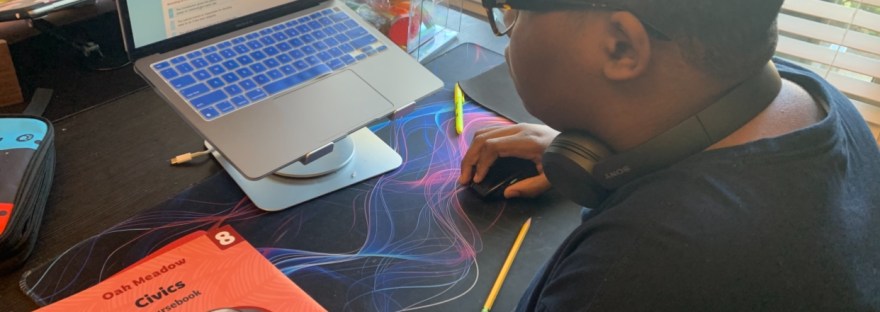
One of the best decisions we made this year was pairing Oak Meadow 8 Civics with my son’s online Introduction to Government class. This combination provided a rich and layered understanding of how our government works. Oak Meadow’s curriculum emphasizes civic engagement and critical thinking, and the mix of reading, writing, and hands-on activities made the subject engaging. The online class provided a more structured, discussion-based element, which complemented Oak Meadow’s student-led approach beautifully.

I really wanted to be a Cardio Surgeon for the last four years, but now I am reconsidering since using Oak Meadow 8 Civics I am falling in love with all things law and I like what I have been studying, that has me looking into civil law! – Jai age 12

Second Semester: Continuing with Civics and Diving into Law

For the second semester, my son transitioned into an Introduction to Law class online while continuing with Oak Meadow 8 Civics. The curriculum’s flexibility has allowed him to explore legal concepts while reinforcing what he’s learned about government. Oak Meadow encourages deep, reflective discussions, and we’ve had some of our best conversations this year about justice, rights, and the role of laws in society.

English: A Deeper Dive into Storytelling

One of the highlights of using Oak Meadow 8 has been our deeper dive into English, particularly story plots and elements in literature. The curriculum includes diverse literature selections, which have made reading and discussions enjoyable and thought-provoking. We’ve spent extra time analyzing character development, themes, and writing styles, which has enhanced my son’s appreciation for storytelling. Oak Meadow’s open-ended assignments and discussion prompts have also encouraged him to think critically about what he reads rather than just answering comprehension questions.

Favorite book this year from Oak Meadow 8 English is hands down Baseballs in April. This book has given me the opportunity to reflect on my relationships with peers in positive way! – Jai age 12

Math: Adding Rigor with Saxon Pre-Algebra

Our Oak Meadow 8 package included Saxon Pre-Algebra, but since my son was already using another Pre-Algebra program as his core, we used Saxon as a supplement for extra practice and rigor. This approach has worked well because Saxon’s spiral review reinforced concepts he was learning in his primary math program. Having access to an additional resource gave him more opportunities to master skills without feeling overwhelmed.

Middle Schooler Thoughts

Hey everyone thought I jump in on this review when talking about the math part. Well honestly I have not been a fan of anything Saxon since my fifth grade year, so when my mom told me Oak Meadow 8 came with Saxon I went into panic mode. Well I have better feeling about the Saxon Algebra 1/2. I like how we used it to support my core Pre-Algebra curriculum. So I will give it a thumbs up!!!

Science: Enjoying Labs and Preparing for High School

Science has been another standout subject this year. Oak Meadow’s hands-on approach has allowed my son to take his time with labs, focusing on proper methodology and recording findings. This has been great preparation for high school-level science, as he’s learning the importance of writing detailed, structured lab reports. The curriculum’s emphasis on observation and inquiry has encouraged him to ask deeper questions, sparking a genuine interest in scientific exploration. I must mention that my son loves all things science so this year he did Oak Meadow 8 Science 1st Semester and he will finish it over the summer. He tends to like to do two science curriculum, because that is one of his favorite subjects and he likes to pile it on.

Continuing Through the Summer and Early Fall

We are still using Oak Meadow 8 in our second semester and plan to continue through the summer, wrapping up in early fall. This timeline works perfectly for us because it allows for a stress-free, enriched learning experience, where we can take breaks when needed while still maintaining consistency.

Who Is Oak Meadow 8 Ideal For?

Oak Meadow 8 is an excellent choice for families who want a literature-rich, project-based curriculum that allows for deep engagement and critical thinking. It’s ideal for:

  • Independent learners who enjoy self-directed studies with parent support.
  • Families who prefer a relaxed but rigorous approach, allowing time for exploration.
  • Students who enjoy hands-on science and history projects rather than textbook-heavy learning.
  • Those looking for a diverse and meaningful literature selection in English.

Final Thoughts

Our experience with Oak Meadow 8 has been fantastic. The curriculum has provided a balanced mix of structure and flexibility, giving my son the freedom to explore topics deeply while still covering essential academic skills. The diverse literature, engaging science labs, and thought-provoking history lessons have made this year incredibly rewarding. We will be moving forward with few Oak Meadow for High School course in the fall, so be on the look out for our unboxing. If you’re looking for a curriculum that encourages curiosity, critical thinking, and meaningful learning, Oak Meadow is definitely worth considering!

Curriculum, Homeschool, homeschool science, Middle School, Science

Master Books Update: A Healthy Journey with Living Healthy & General Science 1

We received Living Healthy and General Science 1: Survey of Earth & Sky for our honest review.

As we progress through our homeschool journey, two Master Books curriculums Living Healthy and General Science 1: Survey of Earth & Sky have become part of our routine. Each has its unique strengths, and while one is a perfect fit, the other has its merits, even though it didn’t fully align with our needs. Here’s a closer look at both programs:

Living Healthy: A Wonderful Health Curriculum

We’ve been thoroughly enjoying Living Healthy! This curriculum has not only met our state’s health education requirements but has also held my son’s attention with its engaging content. It covers important topics on health, nutrition, and the human body in a way that’s accessible for middle school students.

What has been particularly rewarding are the thoughtful conversations the lessons have sparked. We’ve had many deeper discussions about the human body, healthy habits, and overall wellness. The curriculum provides just enough structure while allowing us to take our own deep dives into areas of interest, making learning more interactive and personal.

The activities included are fun and varied, keeping my son engaged while reinforcing what he’s learned. Additionally, the flexibility to omit certain sections that weren’t the best fit for us was a big plus, allowing us to tailor it to our family’s needs.

General Science 1: Survey of Earth & Sky – Beautiful, But Not Our Fit

While General Science 1: Survey of Earth & Sky wasn’t a perfect fit for our family’s approach to science, it certainly has its strengths. The colorful, visually appealing reference books have been a great resource for my son, especially when he’s looking for well-presented diagrams and detailed images of Earth, space, and scientific concepts.

Though the curriculum’s biblical-based approach didn’t quite align with our homeschooling style, I can see it being an excellent choice for families who prefer a faith-integrated science curriculum. The material is solid, and it offers a comprehensive introduction to earth and space science topics, with room for discussion on biblical perspectives.

Flexible and Engaging Curriculum

Overall, both Master Books Living Healthy and General Science 1: Survey of Earth & Sky are well-crafted curriculum. We found Living Healthy to be the perfect match for meeting our health education needs and keeping my son intrigued by the subject matter. General Science 1, while not the best fit for us, still offers great resources, especially for families seeking a biblical perspective in science.

What I appreciate most about both curriculum’s is their flexibility. You can tweak them, omit parts that don’t work, and still have a solid educational tool that adapts to your family’s needs. Both curriculums show that learning can be flexible, engaging, and enriching, especially when it’s tailored to suit your homeschool journey.

Be sure to enter the giveaway by clicking the banner below for your chance to win Big Book Bundle from Master Books!

Homeschool

Before Personal Finance: A Beginner’s Guide to the Future

We were sent Before Personal Finance: A Beginner’s Guide to the Future from Timberdoodle Co. for out honest review!

Financial literacy is a crucial life skill, and Before Personal Finance: A Beginner’s Guide to the Future is an excellent resource for homeschooling families looking to instill solid financial habits in their children early. Designed with younger students in mind, this curriculum offers an engaging, age-appropriate introduction to personal finance concepts while laying the groundwork for future financial understanding.

Who Would Benefit from This Curriculum?

Before Personal Finance is ideal for elementary-aged children, particularly those in 4th grade and up, looking to grasp the basics of money management. Homeschoolers using the Timberdoodle Co. 4th-grade curriculum kit will find this included resource a perfect fit for teaching early financial literacy. The program is approachable for young learners and gives them a head start in understanding how finances impact their future, making it a wonderful addition for families who prioritize practical life skills in their homeschool.

Why Financial Literacy is Important for Children to Learn at a Young Age

Teaching financial literacy early provides children with a framework to understand the value of money, budgeting, and saving. Starting young helps children develop responsible habits before they face real-world financial decisions, allowing them to practice good money management in a low-stakes environment.

By introducing basic concepts—like earning, spending, and saving—at an early age, children can grow up understanding the importance of financial planning. This knowledge helps foster confidence and security when they eventually have to manage their own money as adults. Moreover, kids who learn these skills early are more likely to avoid financial pitfalls later in life, such as debt accumulation or poor spending habits.

Benefits of Early Financial Knowledge

Early exposure to personal finance offers several long-term benefits, including:

  1. Responsibility: Children who understand money early are more likely to grasp the concept of earning and spending wisely.
  2. Planning and Goal Setting: Learning how to budget encourages young people to set goals and work towards them.
  3. Foundation for Future Learning: The basic financial skills they develop through Before Personal Finance prepare them for more complex topics, such as investing, debt management, and career planning later on.
  4. Empowerment: Financial literacy empowers children to make informed decisions about their financial futures, enabling them to avoid common mistakes.

Teacher Materials: Free and Accessible

One of the key advantages of this curriculum is that the teacher materials are free and easily accessible. Homeschooling parents can download these materials through a link provided in the student workbooks, making it convenient to access lesson plans, guides, and additional teaching aids. This thoughtful inclusion ensures that parents or teachers are equipped with the resources they need to guide their students through the material effectively.

For Older Students: Check Out Our Review of Beyond Personal Finance: Online Edition

For families with older students ready to tackle more advanced financial concepts, we recommend checking out our previous review of Beyond Personal Finance: Online Edition for Self-Paced Learning for Teens. This next-level curriculum is perfect for teens and covers complex topics like investing, credit, taxes, and career planning. The self-paced format makes it easy for teens to explore these subjects in-depth while learning at their own speed.

Before Personal Finance: A Beginner’s Guide to the Future is a valuable, beginner-friendly curriculum that serves as an essential building block for future financial learning. Its inclusion in Timberdoodle’s 4th-grade kit makes it accessible to homeschooling families who want to start teaching these critical life skills early. With free teacher resources and a thoughtful approach to educating young learners about money, this curriculum is an excellent way to set your child up for long-term financial success.

For families with teens, be sure to explore our review on the Beyond Personal Finance curriculum for the next step in financial education.